
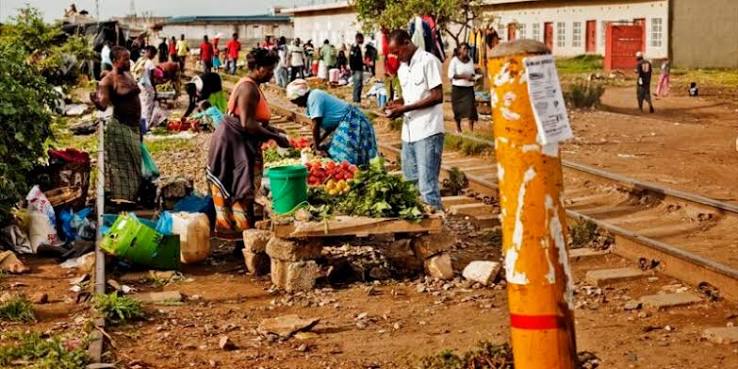
Population boom reverses Zambia’s poverty reduction gains

Breaking News Zambia
NewsAccording to the United Nations Development Programme […]
According to the United Nations Development Programme (UNDP) and Oxford Poverty and Human Development Initiative (OPHI) Global Multidimensional Poverty Index (MPI) 2026 Statistical Update, Zambia significantly reduced poverty between 2018 and 2024, but rapid population growth unfortunately increased the number of poor people.
Meanwhile, speaking in an interview with Zambian Business Times – ZBT, Copperbelt-based economic and policy analyst, John Ng’andu said the development showed that poverty reduction efforts must move faster than population growth to improve living conditions.
Ng’andu explained that reducing the percentage of people living in poverty does not automatically mean that the total number of poor people will fall, particularly when the country’s population continues to expand.
“When the population is growing, we expect social services such as healthcare and education to grow as well, because there is no way the population can increase while these services remain at the same level,” he said.
The expert said government needs to expand access to jobs, healthcare, education, clean water and shelter to ensure that more people benefit from economic and social development as the population increases.
Ng’andu said the difference between the poverty rate and the number of people living in poverty is important when assessing whether development policies are improving the lives of ordinary Zambians.
“The poverty rate is the percentage of people living in poverty compared with the total population, while poverty numbers refer to the actual number of people affected, meaning the two can move in different directions,” he said.
Ng’andu warned that Zambia risks losing some of the gains made in poverty reduction if population growth is not considered when planning and allocating resources to key social sectors.
He added that the situation requires the government to strengthen development planning and ensure that the country’s ambition of becoming a middle-income nation by 2030 is supported by adequate investment in public services.
“As a country, we need to increase access to social services such as healthcare, education and clean water because the population is growing, and these basic needs must also expand to meet the demand,” said Ng’andu.
He further called for long-term population forecasting and increased investment in social sectors, saying future budgets should reflect the needs of a growing population rather than focus only on existing demand.
Ng’andu said the 2027 national budget presents an opportunity for government to allocate sufficient resources towards essential services and poverty reduction programmes to ensure that population growth does not undermine Zambia’s development progress.
Article by Philip Sinkala

Community Feedback