
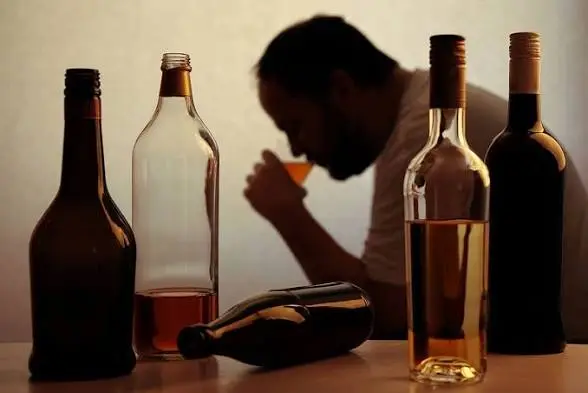
Tired of Drinking and Wasting Money? Here Is How to Start Quitting Alcohol

Breaking News Zambia
NewsHave you ever looked at your money after a weekend of drinking and wondered where it all went? Perhaps you promised yourself that you would only have one or two drinks, but ended up spending much more than planned. Or maybe you are tired of waking up feeling exhausted, regretting your decisions and realising that […]
Have you ever looked at your money after a weekend of drinking and wondered where it all went? Perhaps you promised yourself that you would only have one or two drinks, but ended up spending much more than planned. Or maybe you are tired of waking up feeling exhausted, regretting your decisions and realising that alcohol is taking money away from things that matter more.
If this sounds familiar, you are not alone. Recognising that drinking is costing you money, time, energy or peace of mind can be an important first step towards changing your habits.
The good news is that you do not have to wait until alcohol causes a major problem before deciding to stop. You can begin taking practical steps today. However, the safest and fastest way to quit depends on how much you drink and whether your body has become physically dependent on alcohol.
According to the UK National Health Service (NHS), support for alcohol problems can include counselling, medical treatment, medication to help manage cravings and longer-term recovery support.
Start by calculating how much alcohol is costing you
One of the most effective ways to motivate yourself to change is to calculate how much you spend on alcohol.
For example, if you spend K100 every time you drink and do so four times a week, that amounts to K400 weekly, or approximately K1,600 in a four-week month.
Over 12 months, that habit could cost approximately K20,800.
Looking for the latest sports odds and markets? Check them out here.
And that calculation does not include transport, food bought while drinking, money lent or given away during nights out, or the cost of missing work and other responsibilities.
Your actual spending may be higher or lower, but writing down the figures can help you see the financial impact more clearly.
Instead of simply telling yourself that you need to stop drinking, give your money a new purpose. Decide what you would rather do with it, whether that means saving towards a car, starting a business, paying debts, supporting your family or building an emergency fund.
What is the fastest way to stop drinking alcohol?
The first step is to decide that you want to change and seek the right level of support.
If you drink occasionally and do not experience withdrawal symptoms, you may be able to stop by removing alcohol from your routine, avoiding situations that encourage drinking and asking someone you trust to support your decision.
However, if you drink heavily or regularly, particularly if you need alcohol to feel normal in the morning, do not assume that stopping overnight is safe. Alcohol withdrawal can cause serious complications, including seizures and confusion. Medical professionals can assess your risk and help you stop safely.
Here are practical steps to begin your journey.
1. Make a clear decision and set a reason for quitting.
Write down why you want to stop. Your reasons might include saving money, improving your health, becoming more productive, repairing relationships or regaining control over your decisions.
Keep those reasons somewhere visible so you can remind yourself of them when the urge to drink returns.
2. Identify the situations that make you want to drink.
Think about when you usually drink. Is it after receiving your salary, when you feel stressed, when meeting friends, during football matches or when you are bored at home?
Once you identify your triggers, make a plan to handle them differently. You could spend evenings exercising, watching a match without alcohol, visiting family or pursuing a hobby.
The NHS recommends avoiding situations that encourage drinking and finding alternative activities for the times when you would normally consume alcohol.
3. Stop making alcohol your first choice when you have money.
If drinking is a regular expense, decide in advance where your money will go instead.
Transfer planned savings into a separate account or use another safe savings method as soon as you receive your income. Set a budget for essential expenses and avoid carrying extra money specifically for drinking.
This does not treat alcohol dependence by itself, but it can help you make your financial goals more visible and reduce unnecessary spending.
4. Tell someone you trust that you want to quit.
Changing a drinking habit can be difficult when people around you expect you to join them for drinks.
Tell a trusted friend or family member about your decision and ask them to support you without pressuring you. You can also explain that you are prioritising your health and finances.
If you are struggling to control your drinking, professional counselling or a support group may provide additional help.
5. Get professional help if you cannot stop on your own.
If you repeatedly promise yourself that you will stop but find yourself drinking again, it does not mean that you lack character or determination.
Alcohol dependence can affect both the body and behaviour. A healthcare professional can assess your drinking pattern and discuss appropriate treatment, including supervised withdrawal, counselling and medication where suitable.
What happens when you stop spending money on alcohol?
The financial benefits can become easier to see once you track what you would otherwise have spent.
Imagine saving K50 each day that you would normally spend on alcohol. Over 30 days, that would amount to K1,500. If you saved K100 each day, it would amount to K3,000 over the same period.
These are examples rather than guaranteed savings, but they show how small, consistent changes can add up.
You may also notice that you have more time for work, personal projects, family responsibilities and activities that do not revolve around drinking.
Reducing or stopping alcohol can improve sleep and daytime energy for many people, although the experience varies. People who are physically dependent may initially feel worse because of withdrawal and should seek medical guidance.
What if your friends think you have changed?
One challenge people face when they stop drinking is social pressure.
Friends may ask why you no longer want to join them at a bar or why you are leaving early. You do not have to give a lengthy explanation.
You can simply say that you are saving money, focusing on your health or taking a break from alcohol. Suggest other ways to spend time together, such as having a meal, watching football, exercising or meeting for a non-alcoholic drink.
If particular environments make it difficult to resist alcohol, it is reasonable to avoid them while you build new habits.
The goal is not necessarily to abandon your friends. It is to create a lifestyle in which drinking is no longer the centre of your social life.
Warning signs you should never ignore when quitting alcohol
If you drink heavily or regularly and experience shaking, sweating, nausea, anxiety or a racing heartbeat when you delay or stop drinking, seek medical advice before attempting to quit abruptly.
Severe confusion, hallucinations or seizures after reducing or stopping alcohol require emergency medical attention. Do not try to manage severe withdrawal alone.
In Zambia, the Ministry of Health’s Chainama Hills College Hospital lists a substance clinic that specialises in diagnosing and treating alcohol and drug dependence, including detoxification, counselling and rehabilitation planning. People concerned about their drinking can contact the hospital or a healthcare provider to ask about an appropriate assessment.
Your decision to change can start today
If you are tired of drinking and feel that alcohol is consuming money you could use to improve your life, take that feeling seriously.
Start by understanding your spending, identifying the situations that trigger drinking and setting a clear financial goal. Ask for support when you need it, and seek medical advice if you may be dependent on alcohol.
You do not need to solve every problem in one day. What matters is taking the next safe, practical step towards the life you want.
If alcohol is costing you money, time and peace of mind, what would you rather spend your money on instead?
🚨 DON’T MISS OUT — REGISTER HERE! Join thousands of sports fans exploring today’s betting markets and give yourself a chance to be among the winners. 18+ | Terms and conditions apply | Gamble responsibly.




Community Feedback