
$514 million from Zambia’s foreign reserves used for bond buyback – BoZ

Breaking News Zambia
NewsThe Bank of Zambia (BoZ), the nation’s […]
The Bank of Zambia (BoZ), the nation’s central bank, addressed concerns linked to the recent indication that Zambia’s foreign reserves had dropped by end of June to $5.8 billion at end of June 2026 from $6.2 billion in May 2026.
This is after the revelation that at the end of June 2026, gross international reserves had declined to USD5.8 billion, equivalent to 4.4 months of import cover, from USD6.2 billion (5.2 months of import cover) at the end of March, having reached US$6.5 billion, equivalent to 4.9 months of import cover at the end of May.
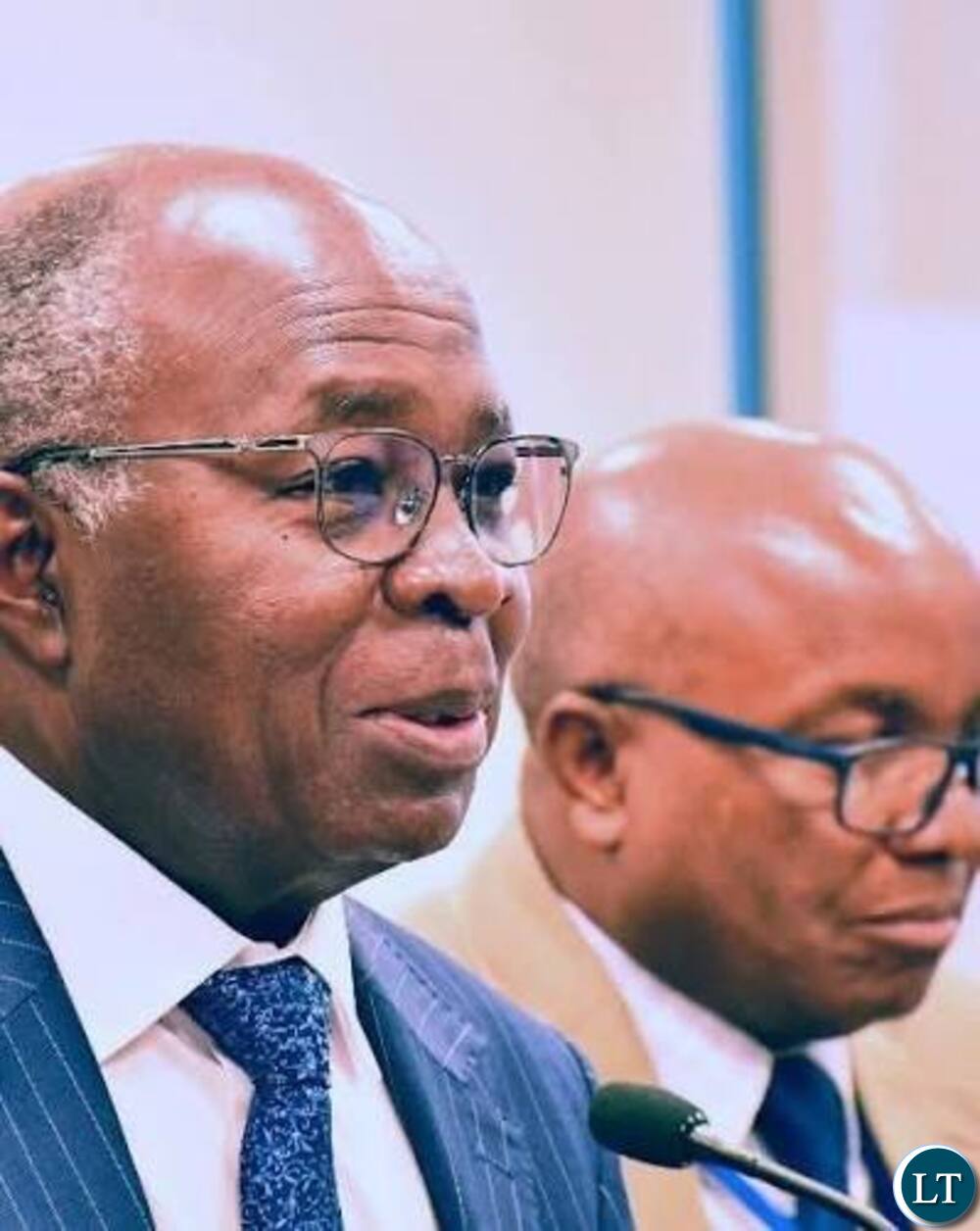
The Bank of Zambia (BoZ) Governor Dr Denny Kalyalya confirmed during a media briefing that this is because the government drew over $514 million from the nation’s foreign reserves in June 2026 to facilitate a major bond buyback operation, a move he said was part of a broader strategy to strengthen Zambia’s debt management and reduce future debt servicing costs.
“At end-June, gross international reserves declined to USD5.8 billion equivalent to 4.4 months of import cover, from USD6.2 billion (5.2 months of import cover) at end-March, having reached US$6.5 billion equivalent to 4.9 months of import cover at end-May.”
Dr Kalyalya explained that the reason this came down is that there are two important developments that happened within this period: one includes Zambia buying back its bond, the repurchasing of the $1.36 billion 2053 sovereign Eurobond.
We got support from the African Development Bank in the amount of $600 million, so there was a gap that needed to be covered, and that was met by a drawdown from the reserves of $514.8 million.
“Now, if we didn’t have a good enough amount of reserves, this could have been problematic. Now, one of the significant issues of the buyback of the bond it means that now we no longer have to worry about that, as it is now domesticated we are dealing with that with much better control and the loan that we got from the ADB was at much reduced cost compared to what we would have been paying if that bond continued to run.
“As soon as we bought back that bond, there was debt service of $453.4 million so if you add the two together, that is almost $1 billion right there in terms of demand on the reserves, but here again, because of the level of reserves that we had accumulated, we were able to withstand that without any noticeable impact on the exchange rate.” He remarked.
Dr Kalyalya added that the accumulation of reserves is an ongoing exercise, “so we see that in July, reserves picked up to USD6 billion (equivalent to 4.5 months of import cover) mainly on account of mining taxes (USD88.3 million), project inflows (USD14.5 million), Government non-tax receipts (USD13.6 million), interest on reserves (USD13 million), and monetary gold purchases (USD8.5 million).”
Article by ZBT Analyst

Community Feedback