
Telecom giants posts over K7.2bn revenue generated in first half 2026

Breaking News Zambia
NewsAccording to the ZICTA ICT Sector 2026 […]
According to the ZICTA ICT Sector 2026 Mid-Year Report, year-to-date revenue in the mobile cellular subsector increased by 18.0%, from K6.1 billion in June 2025 to K7.2 billion as of June 2026.
A check on the report by the Zambian Business Times-ZBT on the mobile cellular services that contributed to the revenue showed that data generated the largest share in the first half of 2026 at 43.3%, followed by airtime at 42.9 percent, while leased sites, roaming, SMS termination, and SMS were the least contributors.
Meanwhile, speaking in an interview with Zambian Business Times-ZBT, economic expert Enoch Hachibi said the nearequal contribution of data and airtime shows that Zambia is moving from a traditional calling economy towards an increasingly internet-driven economy, where one data bundle can now support communication, marketing, and payments.
“The same data bundle can now be used for voice communication, marketing, business transactions, and payments, so telecommunications companies are increasingly selling internet services rather than just minutes,” said Hachibi.
He explained that the increase in mobile revenue could also reflect the growing use of digital services by businesses and individuals but warned that higher sector revenue should not automatically be interpreted as consumers being overcharged without examining the value users receive from their data spending.
Hachibi said for some consumers, mobile data was increasingly becoming an investment that enabled them to advertise products and communicate with customers, while for others, short bundle validity periods and the cost of data could make internet access a financial burden.
“The increase in revenue can be good because people are using data to do business, but there is also a concern if bundles are expensive or expire too quickly, so what ZICTA needs to look at is the cost of data compared with the income of ordinary users,” he said.
Hachibi indicated that the low contribution from services such as SMS and roaming reflected the changing nature of communication, as consumers increasingly use internet-based platforms for messaging while visitors may opt for local SIM cards instead of expensive international roaming services.
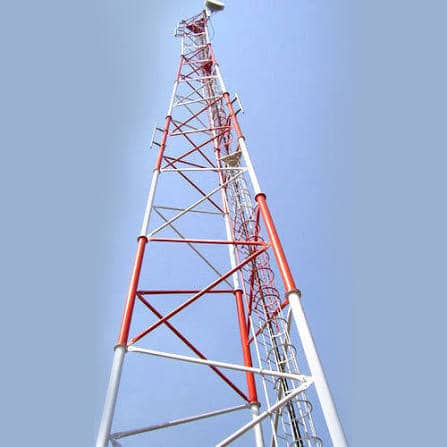
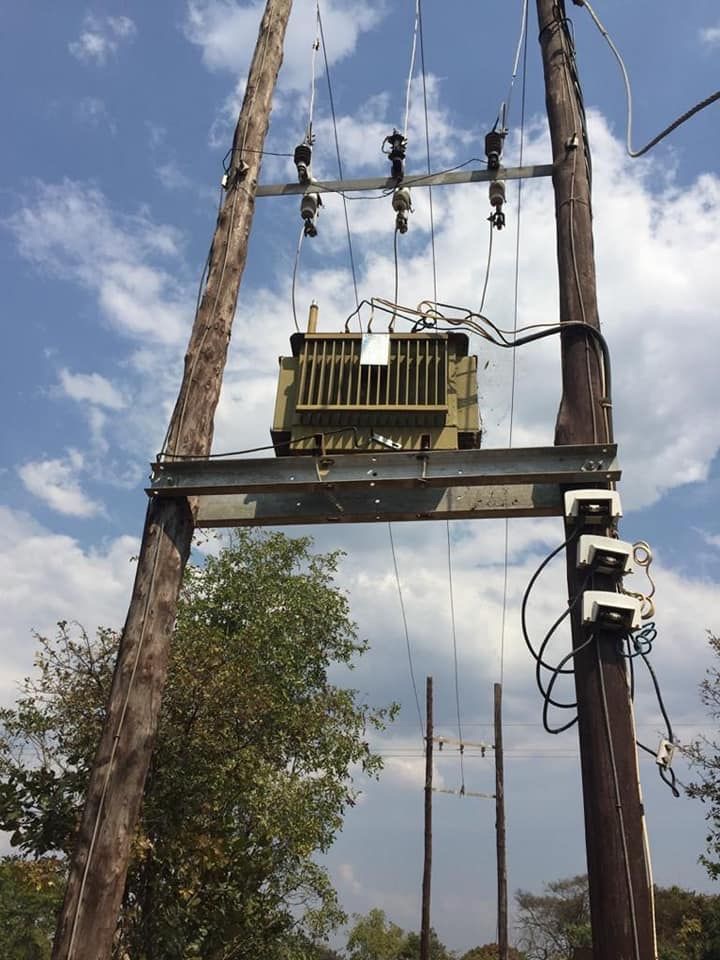
He said the continued growth of mobile services would also depend heavily on reliable electricity and affordable energy, because mobile networks require power to operate towers and other infrastructure, particularly in rural areas.
“The biggest risk to this growth is power and fuel, because data needs electricity, and if there is no reliable power to keep networks operating, especially in rural areas where companies may rely on generators, the cost of providing mobile services becomes higher and the growth of the sector can eventually be affected,” he said.
Article by Philip Sinkala



Community Feedback