
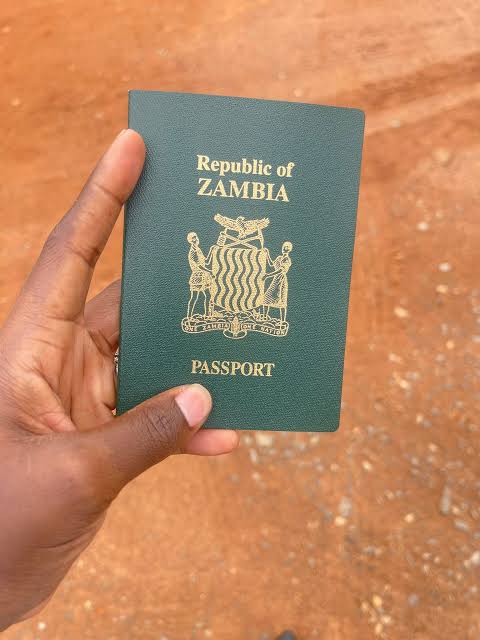
Online passports risk leaving rural Zambians behind

Breaking News Zambia
NewsZambia’s shift to online passport applications could […]
Zambia’s shift to online passport applications could leave some rural citizens struggling to access the service due to unreliable internet connectivity and limited digital literacy, a technology expert has warned.
Speaking in an exclusive interview with Zambian Business Times-ZBT, epert Ali Kingston Mwila said while the digital system could reduce travel costs and congestion at passport offices, citizens in areas with poor network coverage could find it difficult to complete applications.
Mwila said the transition to digital services needed to take into account people who lacked computer skills or access to reliable internet, particularly in remote communities.
He added that some applicants might require assistance from people within their communities to navigate the online application process.
“Those people in those locations, especially in rural communities, may need assistance from their fellow community members,” said Mwila.
However, he cautioned that such assistance need to be handled carefully to protect applicants’ personal information and confidentiality.
Mwila said connectivity challenges can undermine access to the service for people in areas where internet coverage remained unreliable.
“It’s possible they can be affected when there is no connectivity,” he said.
Mwila also warned that the introduction of online passport applications can create opportunities for fraudsters to target unsuspecting applicants.
He said criminals can impersonate immigration officials, send fraudulent links and trick applicants into making payments or sharing personal information under the guise of processing passport applications.
“When there is a system like this, there are also fraudsters who will rise to see an opportunity and begin to commit some other activities,” said Mwila.
He said there is a need for increased public awareness and reliable channels through which citizens could verify payment requests, application updates and passport collection notifications.
Mwila further observed that although the online system can reduce unnecessary trips to passport offices, applicants will still need to travel to designated centres for certain procedures and passport collection.
He said government needs to ensure that the digital transition does not disadvantage citizens who lack the necessary technology or skills to access online services.
Mwila said Zambia’s experience with other electronic government services demonstrates the potential of digitalisation to improve public service delivery, but stressed that citizens need to be adequately informed and supported to benefit from the new system.
By Karen Ngulube





Community Feedback