
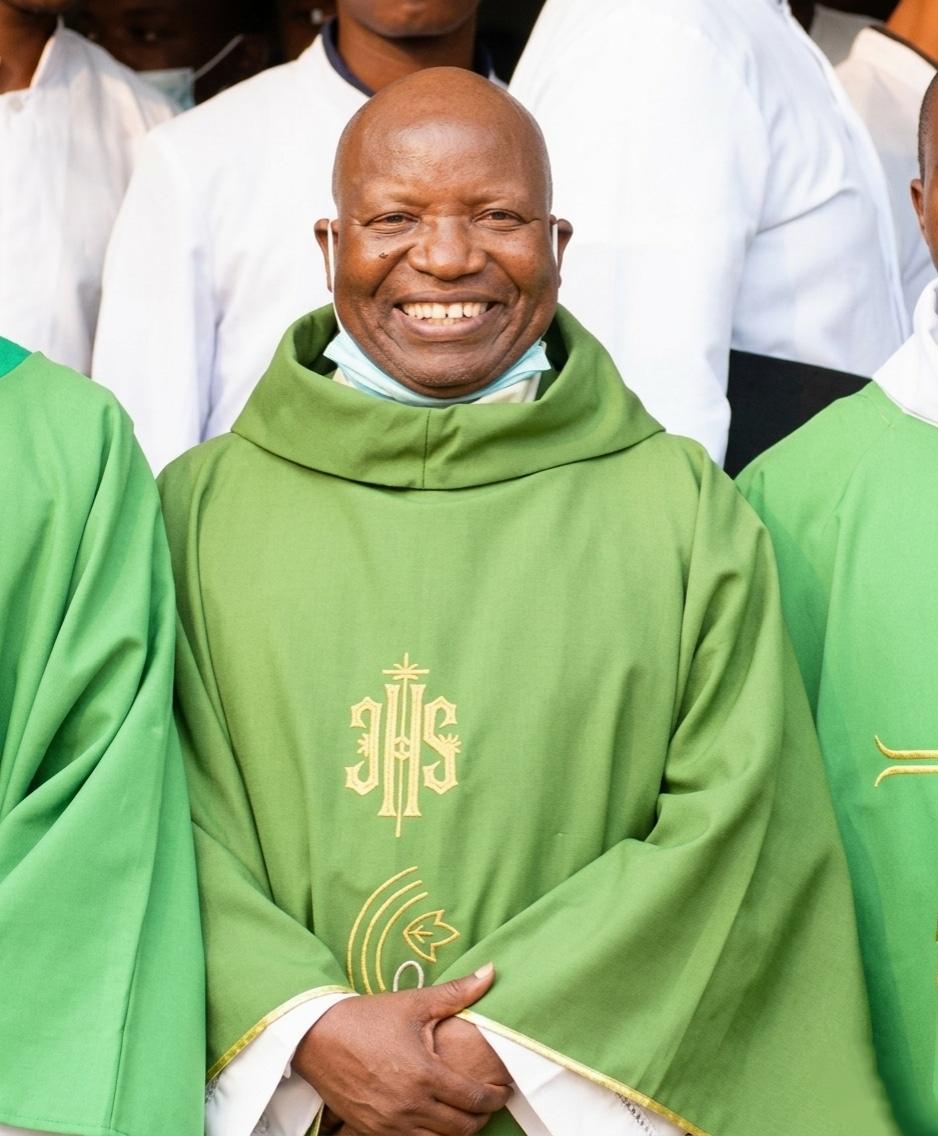
NRPUP 16-PR seat scandal looks planned, done for a purpose with external influence – Caritas

Breaking News Zambia
NewsCaritas Zambia has indicated that the controversy […]
Caritas Zambia has indicated that the controversy surrounding the redistribution of proportional representation (PR) seats initially allocated to the National Reconciliation Party for Unity and Prosperity (NRPUP) may have been influenced by forces seeking to weaken the opposition and benefit the ruling United Party for National Development (UPND).
This comes after the Electoral Commission of Zambia (ECZ) refuted claims that it manipulated the allocation of proportional representation seats belonging to NRPUP in favour of the UPND, insisting that the redistribution followed the law.
Of the 40 proportional representation seats introduced under the new electoral system, the initial allocation gave the UPND 24 seats and NRPUP 16, covering women, youths and persons with disabilities, however, the subsequent controversy arose after ECZ said NRPUP submitted fewer names than required, leading to the redistribution of vacant seats.
In a statement dated October 11, 2026, ECZ dismissed allegations attributed to former diplomat Emmanuel Mwamba’s Facebook page, stating that it rejected claims of political collusion or deliberate manipulation of the proportional representation process.
The Commission explained that Section 36C(1) of the Electoral Process (Amendment) Act No. 12 of 2026 requires qualifying political parties to submit their party lists within seven days after the distribution of seats, while Section 36C(9) provides for the redistribution of vacant seats where a party fails to submit its list within the prescribed period.
Meanwhile, speaking in an interview with Zambian Business Times-ZBT, Caritas Zambia Executive Director, Fr Gabriel Mapulanga said the circumstances surrounding NRPUP’s failure to submit a complete list raises questions about internal divisions and possible external influence.
“In my opinion, there is confusion within the opposition, and what we do not know is whether this confusion started on its own or whether it is being influenced by forces outside the party, because the situation raises serious questions about what is happening,” said Fr Mapulanga.
He added that the divisions appear to involve different positions within NRPUP, with one faction remaining in opposition while another associated with the party’s founder appears to be aligning itself with the ruling party.
“If the party did not submit the full list, it is possible that this happened for a purpose and with some influence, but the question we must ask is who is causing this confusion and whether it is coming from within the party or from outside,” said Fr Mapulanga.
The clergy stated that the situation is worrying because continued divisions among opposition parties can weaken their ability to provide checks and balances, potentially affecting the functioning of Zambia’s multiparty democracy.
“If we continue confusing the opposition, we may find this country going nowhere, and our biggest fear is that the country could eventually move towards a situation where one party dominates because those who should provide alternative voices become divided,” he said.
Fr Mapulanga further questioned whether the growing difficulties faced by opposition parties, including their reported withdrawal from some by-elections over financial constraints, could leave the ruling party with fewer political challengers.
He said some politicians risk prioritising personal benefits over representing citizens, particularly where aligning with the ruling party is perceived to offer greater political or financial advantages.
“When politics becomes about what an individual will gain rather than fighting for the people, it becomes a sad situation for the country, because people may decide to align themselves with those in power instead of continuing to provide an alternative voice,” said Fr Mapulanga.
Caritas Zambia Executive Director said the proportional representation system itself remains difficult for many citizens to understand, particularly regarding how seats are calculated and how party lists are prepared, and called for greater clarity around the process.
He warned that continued confusion, internal party divisions and possible external influence, if established, could undermine public confidence in the electoral system and weaken democratic competition, urging political actors to protect the country’s multiparty system.
By Philip Sinkala



Community Feedback