
MISSING WICKNELL CHIVAYO HEAD CANNOT BE USED TO OPEN SAFES, SAYS BIOMETRICS ENGINEER

Breaking News Zambia
NewsMISSING CHIVAYO HEAD CANNOT BE USED TO OPEN SAFES, SAYS BIOMETRICS ENGINEER WASHINGTON D.C. — A U.S. biometrics engineer, Lucas Snyder, has dismissed speculation that the missing heads of late businessman Wicknell Chivayo and his wife, Lucy “Lulu” Muteke, could have been taken to open safes or vaults. Chivayo, Muteke, her aide Senelisiwe Magagula, and […]
MISSING CHIVAYO HEAD CANNOT BE USED TO OPEN SAFES, SAYS BIOMETRICS ENGINEER
WASHINGTON D.C. — A U.S. biometrics engineer, Lucas Snyder, has dismissed speculation that the missing heads of late businessman Wicknell Chivayo and his wife, Lucy “Lulu” Muteke, could have been taken to open safes or vaults.
Chivayo, Muteke, her aide Senelisiwe Magagula, and pilots Captain Calvin Tafirei Soda and Captain Courage Mutavirwa died on September 30 when their Bell 430 helicopter crashed and caught fire at Kudenga Farm near Marondera, about 70 kilometres east of Harare, after departing from Chivayo’s rural homestead in Gandami, Chikomba.
Authorities reported no survivors, with preliminary accounts indicating the aircraft struck tail-first in poor weather before fuel spilled and ignited.
The absence of the heads has generated intense public discussion.
Activist Rutendo Matinyarare, chairperson of the Zimbabwe Anti-Sanctions Movement, publicly questioned the missing remains in a social media post, suggesting that their eyes could give access to vaults, safes and bunkers where loot was hidden.
Such allegations remain unproven and officials have attributed the condition of the remains to the high-impact crash and subsequent fire, with no evidence presented publicly linking the missing heads to any theft or deliberate removal.
Snyder told Mopane News that biometric systems that rely on facial recognition or iris scans face significant practical barriers that make such a scenario highly unlikely.
“Modern facial recognition systems commonly incorporate liveness detection that looks for signs of life such as micro-movements, eye openness and three-dimensional depth, and a static dead face typically fails these tests. While basic older two-dimensional systems without strong liveness features might theoretically accept a recently deceased face, post-death changes including muscle relaxation and pallor rapidly alter appearance,” he said.
He said iris recognition can remain viable longer after death under certain conditions, with research showing patterns can sometimes be matched for several hours and occasionally days in cool environments.
However, commercial systems often include liveness detection such as checking for pupil response to light, which a dead eye lacks, and iris scanners are uncommon on consumer safes and vaults, Snyder said.
He noted that fingerprint biometrics, which are far more common on safes and rely on a hand rather than the head, face different constraints as many capacitive sensors lose effectiveness once skin conductivity fades after death while systems with robust liveness detection reject non-living tissue.
“Overall, using a deceased person’s head for facial or iris authentication on a modern secure safe or vault is considered difficult and unreliable, particularly once significant time has passed or advanced anti-spoofing measures are present,” he said.
The Civil Aviation Authority has said preliminary findings point to impact followed by a fuel fire, with a full inquiry ongoing.
Family spokesman Herbert Chivayo said forensic examinations determined that no heads belonging to the victims were among the recovered remains.
“I have seen on social media people saying that the heads were found, but that’s not true. No head was found. There are some remains which forensic officials suspected to be head remains, but they found out that they were not,” he said.
He described the bodies as burnt beyond recognition after the wreckage burned until the fire died out.
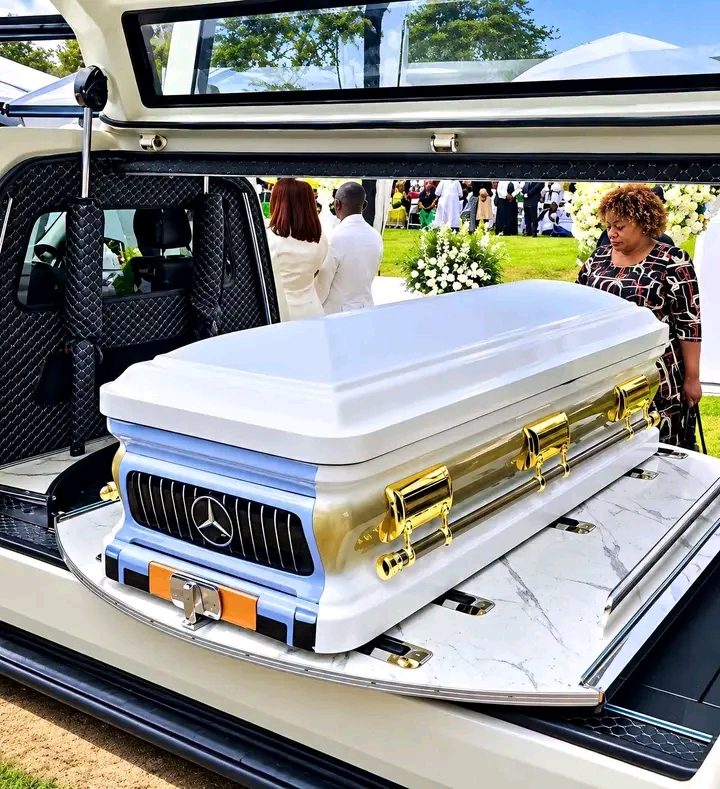
The couple were buried side by side at Glen Forest Cemetery in Harare without a body viewing.
What has fueled speculation on social media is the claim that the heads of the other three victims — Magagula and pilots Soda and Mutavirwa were recovered intact although burnt beyond recognition, according to people close to the families who spoke to Mopane News.





Community Feedback