
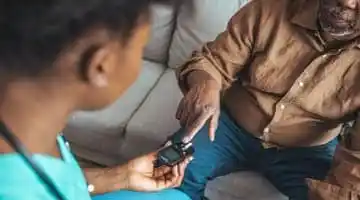
High Blood Pressure: Why You Can Feel Healthy and Still Be at Risk

Breaking News Zambia
NewsA person can go about their daily activities, work, exercise and spend time with family while living with high blood pressure without knowing it. This is one of the reasons hypertension is a major public health concern. Unlike illnesses that often produce obvious symptoms, high blood pressure can remain undetected for years unless a person […]
A person can go about their daily activities, work, exercise and spend time with family while living with high blood pressure without knowing it.
This is one of the reasons hypertension is a major public health concern. Unlike illnesses that often produce obvious symptoms, high blood pressure can remain undetected for years unless a person has their blood pressure measured.
According to the World Health Organization (WHO), hypertension occurs when the pressure in blood vessels remains persistently elevated. It increases the risk of heart disease, stroke and kidney disease when left untreated.
The condition affects adults around the world, and many people who have it are unaware of their status.
What causes high blood pressure?
Blood pressure refers to the force of blood pushing against the walls of blood vessels as the heart pumps.
A blood pressure reading contains two numbers. The upper number measures the pressure when the heart contracts, while the lower number measures pressure when the heart relaxes between beats.
WHO defines hypertension in adults as blood pressure that is persistently at or above 140/90 mmHg. A diagnosis is generally based on elevated readings taken on separate occasions, with assessment by a healthcare professional.
Looking for the latest sports odds and markets? Check them out here.
Several factors can increase a person’s risk. These include older age, family history, excess body weight, physical inactivity, diets high in salt, tobacco use and excessive alcohol consumption. Some medical conditions can also increase the risk.
Having one or more risk factors does not automatically mean someone has hypertension, just as feeling healthy does not rule it out.
Why high blood pressure can go unnoticed
Many people with hypertension do not experience noticeable symptoms, particularly during its early stages.
Some may occasionally experience headaches or dizziness, but these symptoms can have many causes and are not reliable ways to identify high blood pressure.
Waiting until a person feels unwell before checking their blood pressure can therefore delay diagnosis.
The most reliable way to know whether blood pressure is elevated is to have it measured using an appropriate device. A healthcare professional can explain the results and advise whether further measurements or treatment are needed.
What can happen if hypertension is ignored?
Persistently high blood pressure places additional strain on the heart and blood vessels.
Over time, uncontrolled hypertension can contribute to heart disease, stroke, kidney damage and other serious complications.
The danger is that damage may develop before a person realises that anything is wrong. Regular screening can help identify the condition early, allowing appropriate treatment and lifestyle changes.
How can you reduce your risk?
Healthy habits can help prevent or control high blood pressure.
Reducing salt intake is one important step. People can also aim to eat a varied diet containing vegetables, fruits, beans and other nutritious foods while limiting excessive consumption of highly salted and heavily processed products.
Regular physical activity, maintaining a healthy weight, avoiding tobacco and limiting alcohol can also help.
However, lifestyle changes are not always enough on their own. Some people need medication to control their blood pressure, and treatment should be guided by a qualified healthcare professional.
Anyone already prescribed blood pressure medication should not stop taking it simply because they feel better. Feeling well does not necessarily mean the condition has resolved.
When should you seek urgent help?
High blood pressure accompanied by severe symptoms such as chest pain, difficulty breathing, sudden weakness, confusion or sudden changes in vision requires urgent medical assessment.
A very high reading, particularly around 180/120 mmHg or higher, also needs prompt medical attention. If such a reading is accompanied by concerning symptoms, seek emergency care immediately rather than waiting for the pressure to fall on its own.
The importance of regular screening
Checking blood pressure is a simple step that can provide important information about a person’s health.
Adults should ask a healthcare professional how frequently they need screening, taking into account their age, medical history and risk factors. People with an existing diagnosis should follow their recommended monitoring and treatment plan.
The key message is simple: do not rely on how you feel to determine whether your blood pressure is healthy. Get it checked.


Community Feedback