

Chilengi calls for prioritisation of community development in malaria elimination

Breaking News Zambia
LifestyleMinister of Health, Roma Chilengi, has called on governments to prioritise community development as a long-term strategy for eliminating malaria, noting that poverty and underdevelopment contribute to the persistence of the disease. Professor Chilengi made the remarks during…
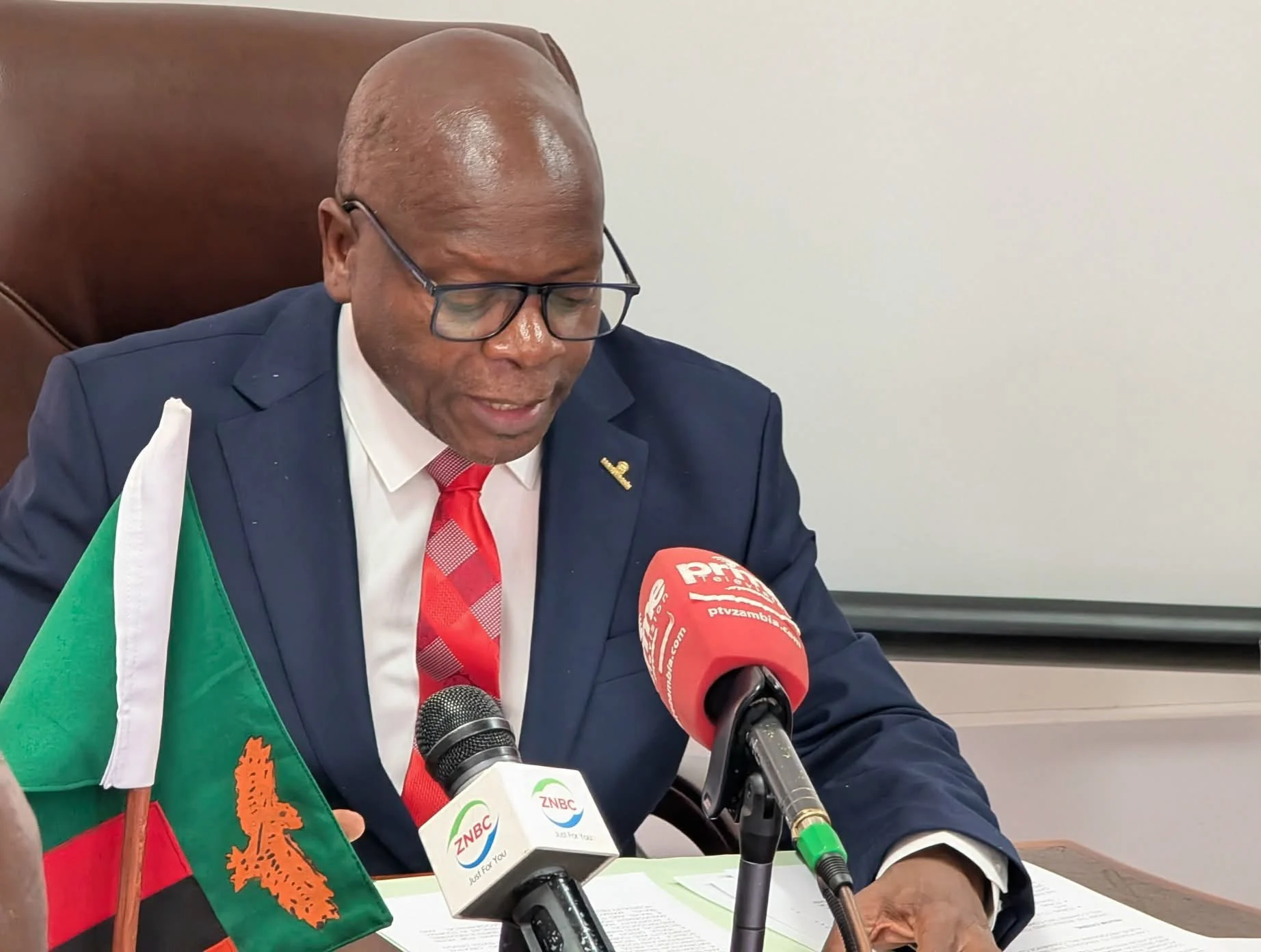
Minister of Health, Roma Chilengi, has called on governments to prioritise community development as a long-term strategy for eliminating malaria, noting that poverty and underdevelopment contribute to the persistence of the disease.
Professor Chilengi made the remarks during the High-Level Dialogue on Malaria Elimination in Botswana, which he attended on behalf of President Hakainde Hichilema.
Prof Chilengi said although enhanced surveillance, improved case management and targeted interventions remain important in controlling malaria, governments should also address the underlying developmental challenges that contribute to its transmission.
Speaking during the Ministerial Perspectives on Alignment, Delivery and Resilience, the Minister observed that countries which have successfully eliminated malaria share a common pattern of sustained development, stating that the disease is less prevalent in developed urban areas.
He said there is a historical correlation between the global distribution of malaria and poverty, adding that addressing development inequalities will significantly contribute to efforts to eliminate the disease.
Prof Chilengi has warned that environmental and financial challenges undermine malaria control efforts and lead to the disease re-emerging when countries experience disruptions to their interventions.
“When we are shaken, Malaria simply comes back again, but I think the one thing we must not lose sight of as governments is to focus our attention on developing our communities and our population and Malaria will go away,” he said.
The Minister further stressed the need to strengthen surveillance systems to ensure timely detection and response to malaria cases, particularly in areas where transmission persisted.
He has called for targeted interventions to interrupt transmission by identifying and treating infected individuals, thereby limiting the spread of the disease through mosquito vectors.
Prof Chilengi has advised countries to maintain their commitment to effective malaria control measures, placing greater emphasis on sustainable development as the foundation for lasting elimination.
This is in a statement issued to the media by the First Secretary for Press at the Zambia High Commission in Gaborone, Botswana, Julia Malunga.

Community Feedback