
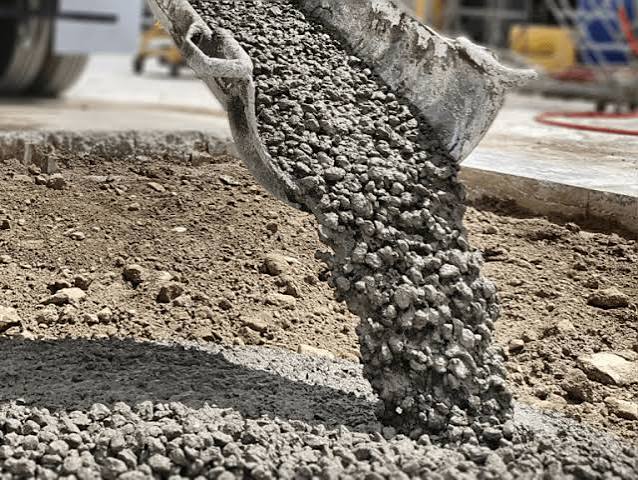
Cement prices stay high despite local production

Breaking News Zambia
NewsDespite the presence of local cement manufacturers, […]
Despite the presence of local cement manufacturers, high prices continue to weigh on Zambia’s construction industry, pushing up building costs for contractors and prospective homeowners. Cement is a key component in property development, and changes in its price can affect construction budgets, project completion timelines, and the final cost of housing.
Zambia has several cement manufacturers, including Chilanga Cement, Dangote Cement, and Zambezi Portland Cement, among others. However, in an interview with the Zambian Business Times— ZBT, a construction industry official from Swissco Construction Limited has questioned why competition among local manufacturers has not translated into more affordable cement.
“It’s beneficial to have a lot of options, and we expect the pricing to be a bit more competitive, but they all seem to follow suit. The price of cement is quite high, and it’s a problem for us in the construction sector, which eventually trickles down to consumers,” the official said.
The official said transportation costs had contributed to higher cement prices, adding that the availability of multiple suppliers was important when shortages occurred. At the same time, the official emphasized that having multiple manufacturers is a good thing, due to shortages that occur sometimes.
“The cost of cement went up due to transport costs. Having options is a good thing because there are times when you might experience shortages and have to turn to different suppliers,” the official said.
Despite the massive appreciation of the Kwacha in the recent past, cement prices remain unchanged, a concern that the official shared, stating that the expectation was a reduction and translation into lower building costs.
The official also expressed concern that cement prices had remained high despite the kwacha’s appreciation, arguing that improvements in the exchange rate had not translated into lower building costs.
“They usually say it’s tied to the exchange rate and other factors, but when these things improve, the cost does not come down. It continues to push up building costs,” the official said.
Beyond cement prices, the official identified inflation and unpredictable construction costs as major challenges facing contractors, particularly those undertaking long-term projects. The official said contractors who enter into agreements based on prevailing material prices risk incurring additional costs when prices rise during construction.
“The biggest thing affecting us in the construction sector is inflation. As a contractor, you sign a contract at the prevailing price, but costs can change while the project is underway, and you end up being hammered, especially on long-term projects,” the official said.
The official further claimed that building costs had increased by between 15 and 20 per cent, warning that fluctuations in the exchange rate could create challenges for both contractors and clients.
“Recently building costs increased by between 15 and 20 percent. The continued concerns over cement prices raise questions about the factors determining local prices and whether competition among manufacturers is delivering the expected benefits to the construction industry and prospective homeowners.
Article by Samuel Mutale




Community Feedback