
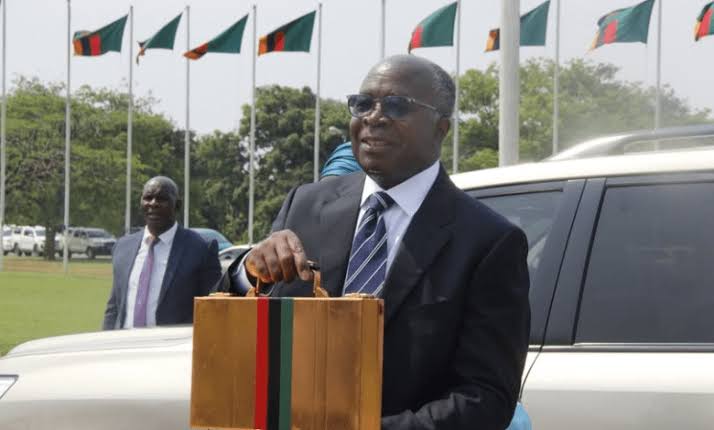
2027 Budget risks becoming a tax collection exercise – BICA

Breaking News Zambia
NewsBICA Group, a business and investment consultancy […]
BICA Group, a business and investment consultancy in Africa, has, after reviewing Zambia’s 2027 National Budget, indicated that the budget risks becoming a tax collection exercise rather than a genuine economic transformation plan.
Speaking in an interview with Zambian Business Times-ZBT, BICA Group Chief Executive Officer Howard Mwape said the proposed additional K10.8 billion in revenue mobilisation raises questions about whether the economy will gain more from the taxes collected than it may lose through reduced business activity.
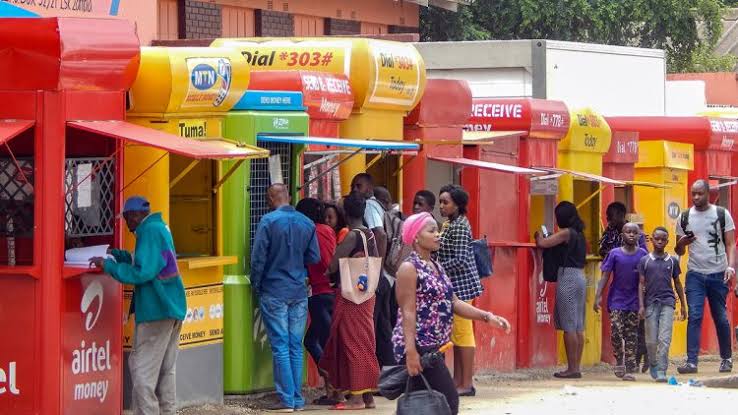
Mwape said the proposed increase in Value Added Tax from 16% to 16.5%, higher Pay As You Earn rates, increased company taxation on affected income and mobile money levies can collectively raise the cost of doing business and reduce household purchasing power.
He added that the government must consider that businesses are not simply sources of tax revenue, but also employers, investors and producers whose expansion creates jobs, increases output and ultimately generates more revenue for the Treasury.
“Government must recognise that businesses are not merely sources of tax revenue; they are also employers, investors and producers, and excessive costs can weaken their ability to expand and create jobs,” said Mwape.
He stated that the K284.77 billion budget should be examined to establish how much is spent maintaining government operations and how much goes towards expanding productive sectors such as agriculture, energy, manufacturing, mining, tourism and small businesses.
Mwape said the proposed budget allocates K67.6 billion to debt servicing, representing about 23.7% of total expenditure, and argued that the country must carefully assess how much fiscal space remains for investments that directly increase production and employment.
“Before increasing taxes, government should first establish whether existing public expenditure is being used efficiently and whether consumptive expenditure can be rationalised to release resources for productive investment,” he said.
Meanwhile, Mwape warned that if the additional K10.8 billion is absorbed by administrative costs, allowances, benefits and other non-productive expenditure, the tax increases can weaken working capital, discourage private investment and constrain economic activity.
He said the proposed tax measures can support growth if the revenue finances electricity generation, agricultural production, industrialisation, infrastructure, SME financing and export development, but stressed that government must demonstrate where the money will go.
“Zambia needs to move from a revenue-collection-centred fiscal model towards a production-and-investment-centred fiscal model, where the tax base grows because businesses expand and the economy produces more,” said Mwape.
He added that the success of the 2027 Budget should therefore not be judged by how much government collects in taxes, but by whether the country increases production, creates jobs, expands businesses and generates more income for citizens.
By Philip Sinkala



Community Feedback