
Zesco Targets 11,630MW By 2030, A Year Ahead Of The 10,000MW Deadline

Breaking News Zambia
SportsZesco Limited has set itself a target of 11,630 megawatts (MW) of installed generation capacity by 2030. That would overshoot the Government’s 10,000MW goal under the Grow Zambia Agenda by 1,630MW and arrive a year before the 2031 deadline. Managing director Eng. Justin Loongo…
Zesco Limited has set itself a target of 11,630 megawatts (MW) of installed generation capacity by 2030. That would overshoot the Government’s 10,000MW goal under the Grow Zambia Agenda by 1,630MW and arrive a year before the 2031 deadline.
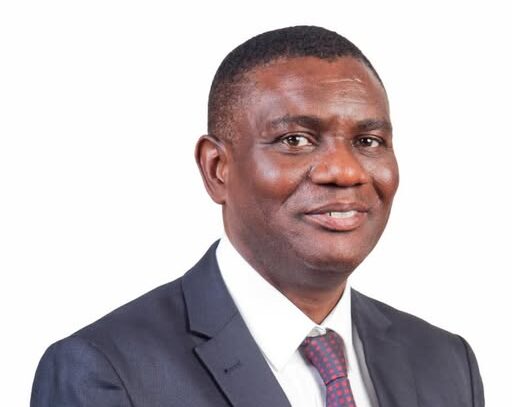
Managing director Eng. Justin Loongo outlined the plan when Minister of Electricity Mr Peter Kapala visited the utility’s headquarters in Lusaka. He said Zesco had aligned its planning with the national target but was now pursuing a higher figure through investment in solar, hydro, wind, thermal and other technologies.
The expansion would more than treble the 3,307MW of installed capacity the country had in 2021. Zesco director of transmission operations and trade Mr Lioko Sitali said the 2030 mix would include 4,126MW from solar, 3,970MW from hydropower, 3,234MW from thermal sources and 200MW from wind, among others.
Solar, on those numbers, would overtake hydropower as the largest single source of power. That would be a deep break for a country whose electricity has for decades depended on the water levels at Kariba and Kafue.
That shift is already under way. Mr Kapala welcomed the fall in hydropower’s share of the national energy mix from 85 per cent to 34 per cent, saying it showed real progress in diversifying generation after droughts exposed the risk of relying on a single source.
Mr Loongo said the utility was assessing renewable technologies and exploring partnerships and financing models to speed up the development and commissioning of new projects. He stressed that new plants would mean little without the lines to carry their power.
“As generation expands, we must also strengthen our transmission and distribution networks that deliver electricity to customers,” he said.
The managing director also pointed to private sector participation and regional power trading as central to meeting rising demand and strengthening national energy security.
One example is the 20-year power purchase agreement between Zesco and the Mineworkers Union of Zambia (MUZ) for a 120MW solar plant in Mufulira. The plant is being developed on MUZ-owned Mukuba Farm through Bashi Maini Investments Limited, trading as Mukuba Energy, with a first phase valued at US$120 million.
For Mr Kapala, the visit was also a chance to mark a financial recovery. He said the utility had been on the brink of collapse but had returned to profit following Government policy interventions, an achievement he said the country should be proud of.
“At a time when I was Minister of Energy, Zesco owed even US$2 billion,” Mr Kapala said. “In the next few years, we will be making millions of dollars in revenue for the Government. I pat the whole team on the back.”
He thanked President Hakainde Hichilema for leading efforts to revive the utility, comparing it with the Government’s revival of mines that had been dormant for more than 20 years.
Zesco’s customer base has grown from 1.2 million in 2022 to 1.5 million last year, and the utility is aiming for three million connections by 2030. Installed capacity is projected to reach 5,220MW by December.
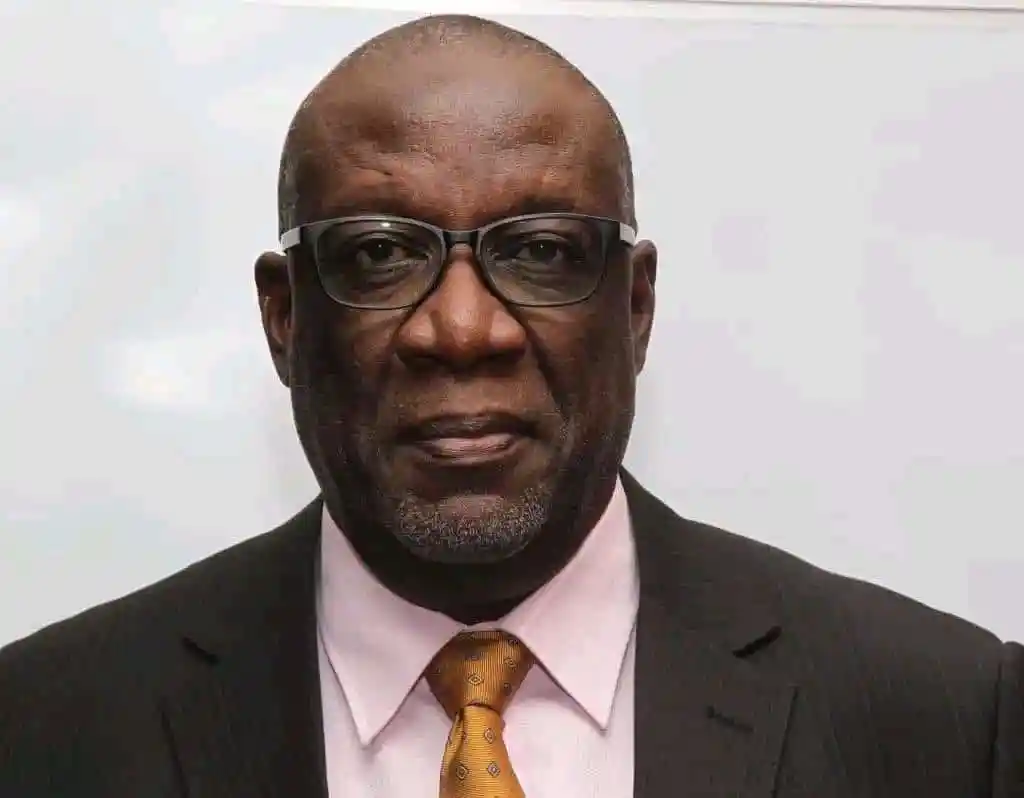
The ambition faces sharp questions. Days before the announcement, Democratic Progressive Party president Mr Antonio Mwanza challenged the Government’s ability to reach even 10,000MW by 2031.
Using the Ministry of Energy’s October 2026 figure of 4,722MW, Mr Mwanza said Zambia would need to add a further 5,278MW, roughly 1,000MW every year. He said only about 840MW had been added since 2021, citing Energy Regulation Board (ERB) figures of 3,318.43MW in 2021 and 3,885.86MW in 2024.
He also drew a distinction that weighs on any capacity pledge: installed capacity is not the same as reliable supply. He pointed to a February 2026 ministerial statement that put available domestic generation at just 1,635MW, and warned that water levels, plant performance, maintenance and fuel supply all decide what actually reaches homes and businesses.
“Installed capacity cannot be equated with dependable electricity supply,” Mr Mwanza said.
Citing Zesco’s 2025 Integrated Report, the opposition leader noted 53 system disturbances during the year, 26 of them inside the utility’s own network. He also noted distribution losses of 575.89 gigawatt-hours, or 9.48 per cent of electricity purchased, at an estimated cost of K1.071 billion.
“The issue is not whether Zambia should aspire to 10,000MW. The issue is whether government can demonstrate a credible pathway to achieve it by 2031, and ensure that the resulting electricity is reliable, accessible and affordable,” he said.
The two positions now meet on a common point. Zesco’s own managing director has said that generation without transmission and distribution will not deliver power to customers, which is the gap Mr Mwanza says the country must close.
The first test comes before the end of the year. Zesco projects installed capacity of 5,220MW by December, a figure that will show whether the utility’s 2030 trajectory is on course.



Community Feedback