
Zambia arranging building blocks for mining buoyancy towards 2031

Breaking News Zambia
NewsBy Chipili Makasa As Zambia pursues an ambitious agenda to double the size of its economy by 2031, the mining sector has continued to exhibit its bullish stance as a key driver of national development. Beyond generating export earnings, mining is expected to create more jobs, stimulate local industries, attract investment and support value addition, […]
By Chipili Makasa
As Zambia pursues an ambitious agenda to double the size of its economy by 2031, the mining sector has continued to exhibit its bullish stance as a key driver of national development. Beyond generating export earnings, mining is expected to create more jobs, stimulate local industries, attract investment and support value addition, helping ensure that the country’s mineral wealth translates into broader economic prosperity.
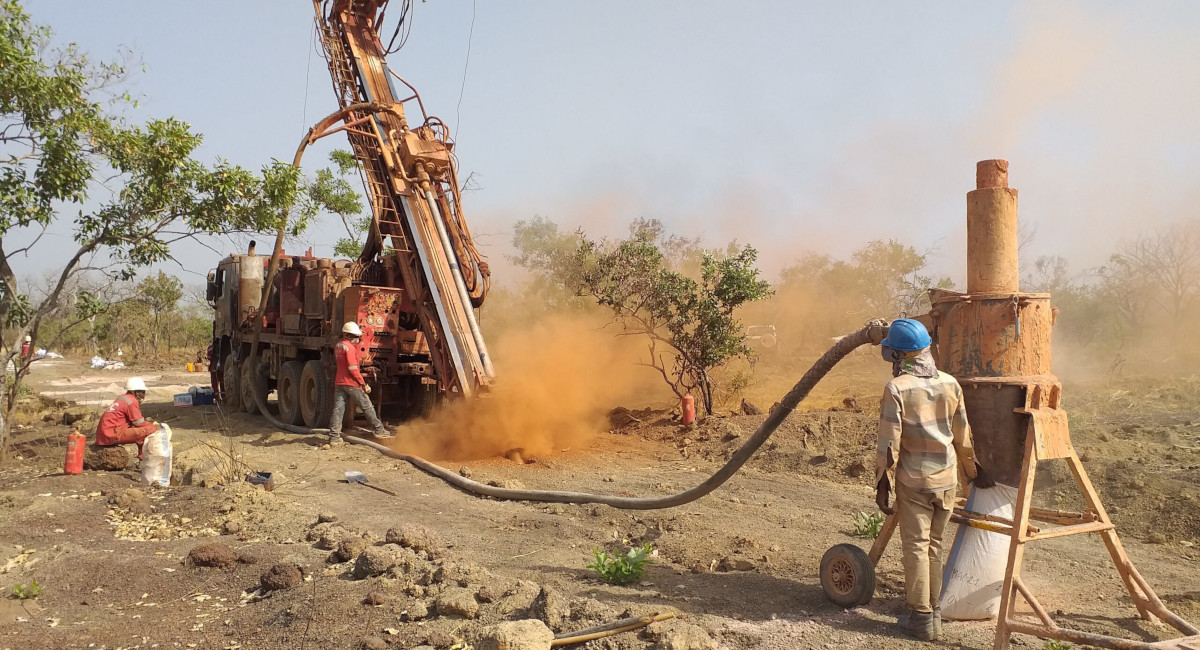
Zambia remains one of Africa’s leading copper producers, with output reaching 820,676 tonnes in 2024, a 12 percent increase from the previous year, according to the Ministry of Mines and Minerals Development.
The country is also endowed with significant deposits of cobalt, nickel, gold, emeralds, lithium and other critical minerals that are increasingly important in the global transition to clean energy technologies.
According to PwC Zambia’s Mining Report 2025, the mining sector remains a cornerstone of the economy, contributing significantly to export earnings, government revenue and gross domestic product (GDP).
Recognising the sector’s strategic importance, the government has placed mining at the centre of its Grow Zambia Agenda, a five-year development blueprint running from 2026 to 2031. A major objective under the agenda is to increase annual copper production to 3 million tonnes while promoting value addition and local participation across the mining value chain.
Among the policy shifts being championed is a move away from prolonged litigation in resolving mining disputes in favour of dialogue and consensus-building.
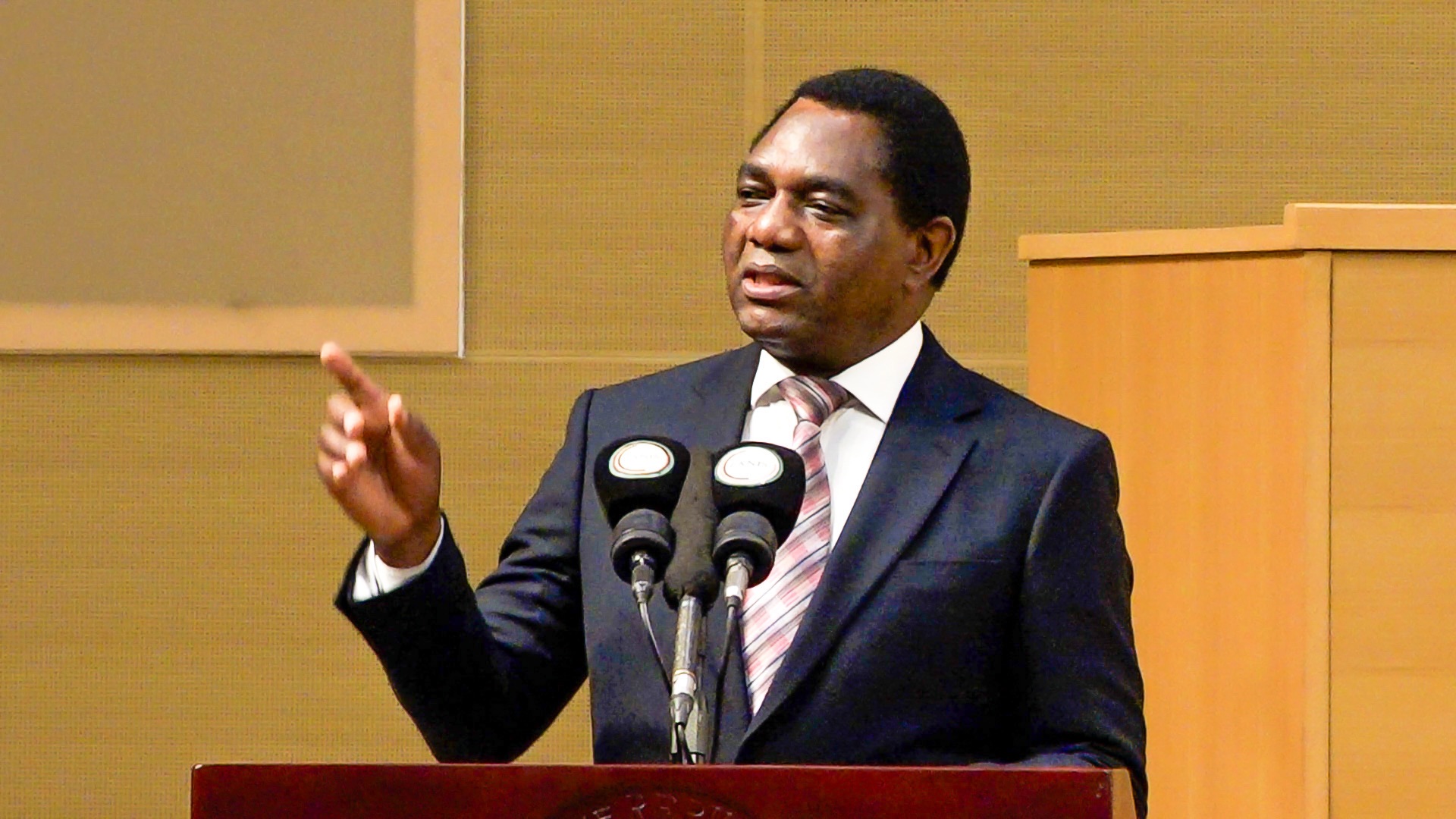
Speaking during the third Zambia Mining and Investment Insaka held at the Mulungushi International Conference Centre in Lusaka in October, President Hakainde Hichilema said government was determined to foster a mining environment built on cooperation rather than costly legal battles.
The President noted that many mining-related disputes previously ended up in foreign courts, consuming valuable resources and delaying investment decisions.
“We have changed our narrative here. We know that mining is one of the sectors that is notorious for litigation. We don’t encourage resolving mining disputes in courts and therefore we encourage dialogue,” President Hichilema said.
He noted that several disputes involving major mining companies had been successfully resolved through engagement, demonstrating that dialogue can often deliver quicker and more practical outcomes than lengthy court proceedings.
The approach reflects government’s broader objective of creating policy certainty and maintaining investor confidence while safeguarding national interests.
While attracting investment remains important, government also wants Zambians to benefit more directly from the industry’s growth through strengthened local content policies.
President Hichilema recently cited the Kansanshi S3 Expansion Project in Solwezi District, North-Western Province, as an example of how local participation can create value beyond mineral extraction. He noted that several goods and services used in the project, including electrical materials and other supplies, were sourced locally.
According to the President, local procurement does not only support domestic businesses but also creates jobs, builds technical capacity and keeps more value within the Zambian economy.
The private sector has welcomed the emphasis on local content, arguing that Zambia’s economic transformation cannot be achieved without meaningful participation by local entrepreneurs and businesses.
Musamu Resources founder, Sixtus Mulenga, disclosed that local content remains critical to ensuring that Zambians actively participate in the mining value chain.
“Local content is very key for the success of the mining industry. It is about technology transfer and capacity building so that more mining activities can be undertaken by Zambians,” he said.
The drive towards increased local participation is also encouraging investment in value addition.
One notable example is the establishment of an in-country gold refinery by Minera Refineries Limited. The facility is capable of refining gold to internationally accepted purity standards, creating opportunities for Zambia to retain more value from its mineral resources.
Minera Refineries Limited Managing Director, Andrew Katandula, noted that the company had invested in modern refining and testing technology to support the development of Zambia’s gold industry.
“We haven’t had a refinery like this in Zambia for a long time. This is the first of its kind using state-of-the-art technology to meet international market requirements,” Mr Katandula said.
He added that local refining would contribute to the growth of the mining sector by reducing reliance on foreign processing facilities and enhancing Zambia’s capacity for mineral value addition.
As Zambia seeks to expand mining production, environmental sustainability remains a critical consideration.
Speaking during the Mining and Investment Insaka, Minister of Green Economy and Environment Dr Gilbert Siame, who was acting as Minister of Mines and Minerals Development at the time, urged mining companies and investors to uphold high environmental, social and governance standards.
Dr Siame emphasised the importance of responsible mining practices and stronger partnerships with host communities to ensure that economic gains do not come at the expense of environmental protection.
The achievement of Zambia’s production targets will also depend on strong international partnerships capable of mobilising capital, transferring technology and supporting infrastructure development.
Canada, one of Zambia’s longstanding mining investment partners, has reiterated its commitment to sustainable mining and community development.
Canadian High Commissioner to Zambia, Corry Van Gaal, said mining should leave lasting benefits for local communities through employment, innovation and business opportunities.
She noted that Canada continues to support efforts aimed at strengthening financial markets and improving access to investment capital, thereby enabling broader participation in economic growth.
The confidence of international investors has been demonstrated through major investments by Canadian mining companies operating in Zambia, including expansion projects aimed at increasing production and enhancing operational efficiency.
“This demonstrates confidence not only from Canada but from global investors. Mining is about more than what comes out of the ground. Its true value lies in the jobs it creates, the innovation it fosters and the opportunities it leaves for future generations,” Ms Van Gaal said.
China has also reaffirmed its support for Zambia’s mining ambitions.
Chinese Mining Enterprises Association in Zambia President, Wang Jingjun, observed that advanced technology would be essential if Zambia is to achieve its target of producing 3 million tonnes of copper annually.
He explained that Chinese mining companies are increasingly deploying digital and intelligent technologies to improve productivity, efficiency and safety in mining operations.
As Zambia positions its mining industry for the future, the combined efforts of government, local businesses and international partners are creating a foundation for long-term growth.
The promotion of dialogue in dispute resolution, support for local content, expansion of mineral value addition, commitment to environmental stewardship and continued investment in technology all point towards a more inclusive mining sector.
If effectively implemented, these strategies could transform Zambia’s vast mineral wealth into broad-based economic prosperity. Achieving the target of three million tonnes of copper annually may be ambitious, but with sustained collaboration among stakeholders, Zambia’s vision of shared prosperity by 2031 remains well within reach.

Community Feedback