
Why qualify only to fail? Analyst questions women’s teams’ continental struggle

Breaking News Zambia
NewsA star-studded senior women’s national team featuring […]
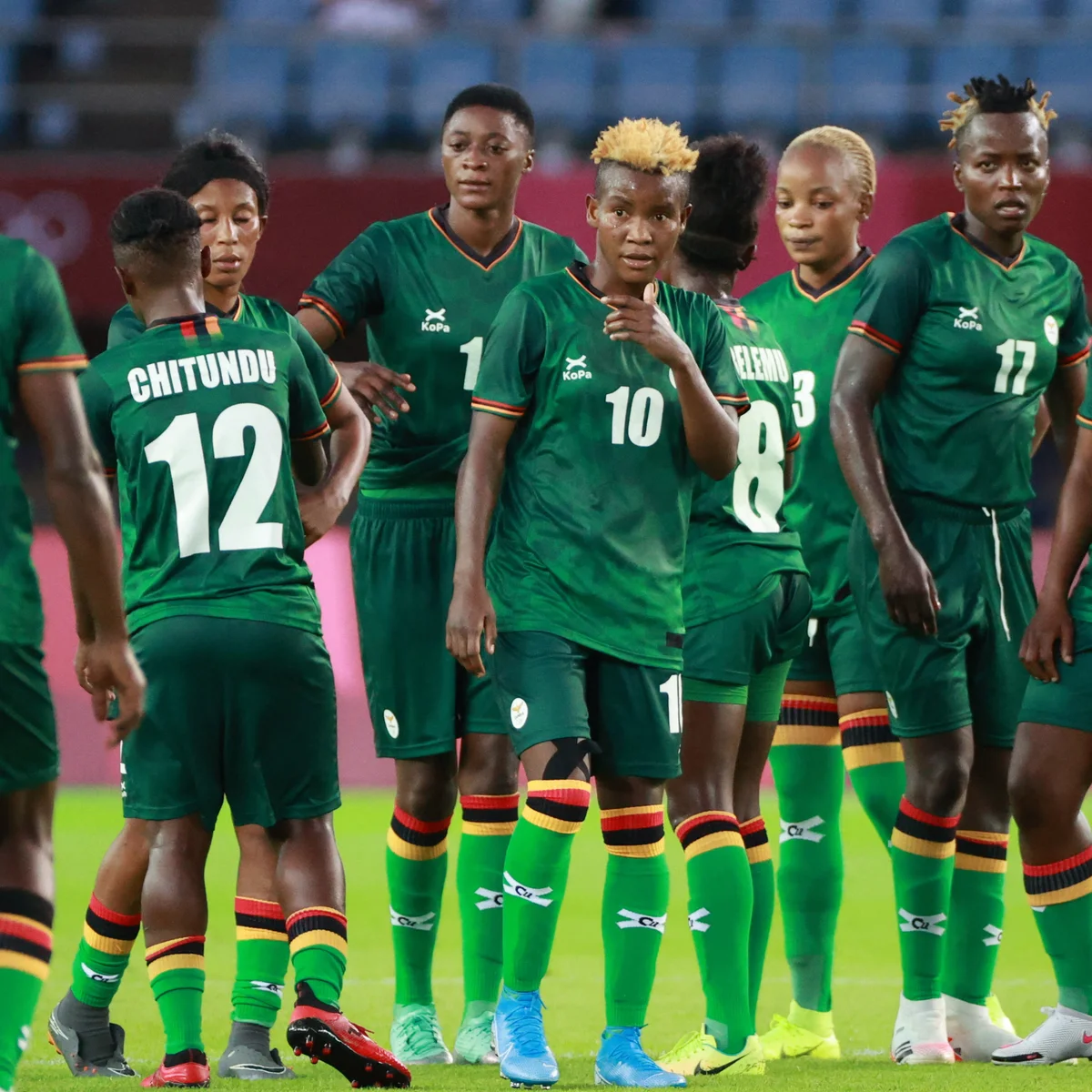
A star-studded senior women’s national team featuring an Africa Cup of Nations Player of the Year and a former world-record transfer holder should be a formidable force capable of striking fear into opponents.
However, Zambia’s record at major international tournaments tells a different story, with disappointing performances at the Olympics and FIFA Women’s World Cup raising questions about the country’s competitiveness on the global stage.
A similar trend has emerged among the Copper Princesses, Zambia’s Under-17 women’s national team, which has struggled to make an impact at the FIFA U-17 Women’s World Cup, suffering heavy defeats in three consecutive appearances.
Speaking in an interview with youth football because this is our Zambian Business Times – ZBT, football analyst, Richman Mpembamoto attributed the struggles to inadequate investment in youth football, arguing that limited funding has undermined the development of competitive talent.
“It’s disappointing that the ladies lost to Japan. If we observe our opponents at the current World Cup, they have invested a lot in youth football. The game against Venezuela was one we were supposed to win outright,” said Mpembamoto.
He stressed that Zambia must prioritise grassroots development and improve preparations for international competitions if its women’s teams are to compete effectively against established football nations.
“We need to invest so much in third participation in the World Cup but in terms of preparations compared to our opponents the gap is too huge as they start at the age of 10,” said Mpembamoto.
He further questioned the essence of qualifying without being competitive, noting that in their case it was disappointing to lose 5-0 to Japan as it was as good as not going to the World Cup.
Mpembamoto’s concerns highlight the need to look beyond qualification and assess whether Zambia’s investment in women’s football is sufficient to prepare its teams for the demands of elite international competition.
Article by Samuel Mutale





Community Feedback