

“Who Will Buy 10 Million Tonnes?” Mwelwa Tells Zambians To Stop Treating Leaders As Messiahs

Breaking News Zambia
Top StoriesPolitical analyst Dr Lawrence Mwelwa has urged Zambians to stop treating political leaders as their messiahs. He warned that a nation which worships its leaders loses the power to hold them accountable. Dr Mwelwa said politics should never be a religion and patriotism should…
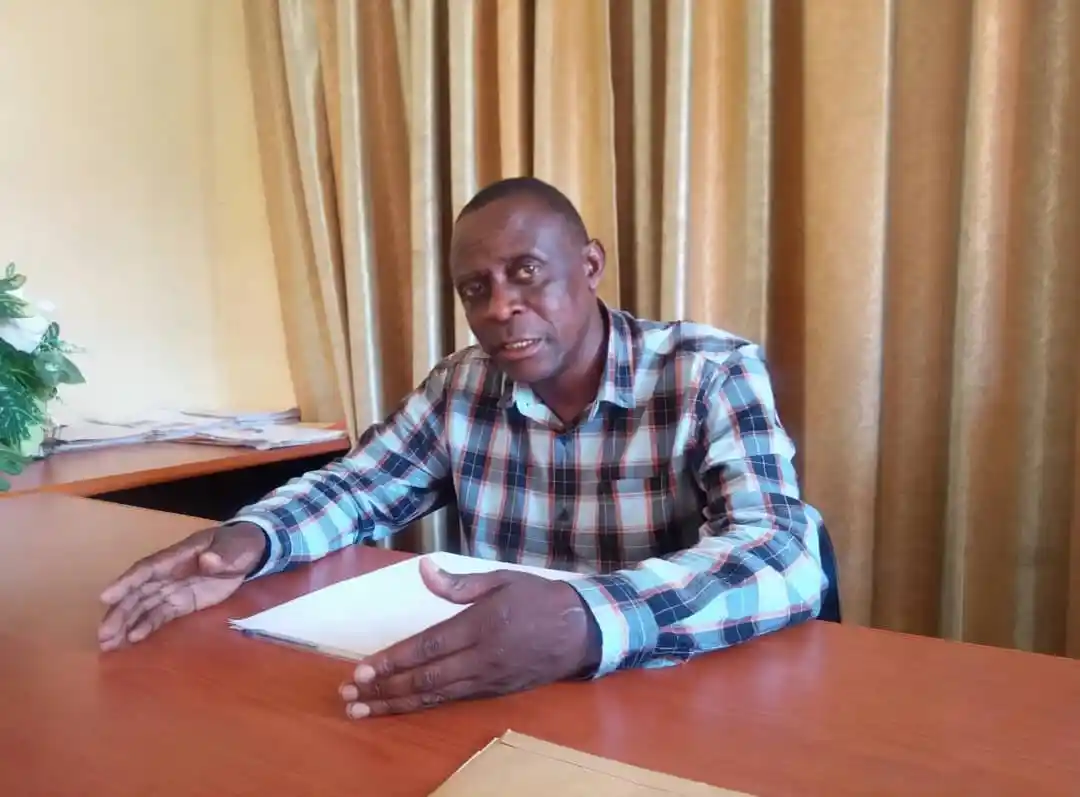
Political analyst Dr Lawrence Mwelwa has urged Zambians to stop treating political leaders as their messiahs. He warned that a nation which worships its leaders loses the power to hold them accountable. Dr Mwelwa said politics should never be a religion and patriotism should never be mistaken for blind loyalty. He said the country was being held back by political messianism and hero worship, in which supporters defend every statement simply because it comes from their preferred leader.
He set out the principle at the heart of his argument in three blunt sentences.
“Political leaders are not messiahs. Politics is not a religion. Patriotism is not blind loyalty to politicians,” Dr Mwelwa said.
The analyst said a country that worships its leaders cannot hold them accountable, and he warned that unquestioning loyalty comes at a cost to national progress. A citizenry that does not think for itself, he argued, can neither generate new ideas nor check those in power. He said the habit of defending leaders at all costs had turned too many supporters into cheerleaders rather than citizens. Dr Mwelwa put the danger in stark terms.
“A nation of robots cannot innovate. A nation of political zombies cannot hold power accountable,” he said.
Dr Mwelwa said citizens must ask hard questions whenever leaders make big promises. He pointed to two of the headline targets now driving national policy: 10 million tonnes of maize and three million tonnes of copper. Leaders, he said, should explain at what cost such production would be achieved and whether it could be sustained. He argued that ambitious numbers without a clear plan behind them should invite questions, not applause.
On maize, the analyst said the country’s present record raised an obvious problem that had not been answered. He said Zambia was already struggling to find markets for its current harvest, which made a fivefold increase difficult to explain.
“If we currently struggle to market two million tonnes of maize, who will purchase 10 million? Those are the questions leaders must answer, and citizens should ask,” Dr Mwelwa said.
Both targets sit at the centre of the Government’s economic plan. The Grow Zambia Agenda aims to raise annual maize production to 10 million metric tonnes while expanding soybean and wheat output, and to lift copper production to three million tonnes a year by 2031. President Hakainde Hichilema has described the copper target as an agenda for economic transformation, industrialisation, export growth and job creation. The Government is also pursuing a target of growing the national cattle herd from 5.2 million to 11 million by 2031, and of reaching 10,000 megawatts of installed electricity generation capacity within the same period.
The maize goal has also drawn concern from the agricultural sector. Agriculture Climate Action Foundation executive director Dr Oliver Kandela Bulaya has warned that proposed increases in corporate income tax in the 2027 National Budget could undermine the very ambitions the Government has set for farming. The proposal would raise the rate for farming and agro-processing businesses from 10 to 15 percent, and for fertiliser manufacturers from 15 to 20 percent. Dr Bulaya said higher input costs could weaken the drive to reach 10 million tonnes of maize and expand soybean and wheat production.
Dr Mwelwa said the kind of questioning he was calling for should not be treated as hostility towards the Government or any leader. He said asking difficult questions was not rebellion but a sign of responsible citizenship. In his view, a healthy democracy needs citizens who weigh promises against evidence rather than accepting them on faith. Leaders who are confident in their plans, he argued, should have nothing to fear from being asked how those plans will work.
His position is set out at length in his book, The Thinking Patriot, which calls on Zambians to examine evidence, question promises and demand practical answers from those who lead them. Dr Mwelwa said leadership must welcome questions rather than worship. He summed up his philosophy in four words.
“Know, think, serve, lead,” he said.

Community Feedback