
Who should decide how long a President stays?

Breaking News Zambia
NewsZambia’s sitting President and United Party for […]
Zambia’s sitting President and United Party for National Development (UPND) leader, Hakainde Hichilema when he appeared on News Central Africa stated that we should not entertain to create special favours for those occupying public office so they can stay longer.
However, as the new National Assembly settles into its first months, with public debate increasingly dominated by accusations that Parliament has become a rubber stamp, that opposition voices are being curtailed, that some members sit silently through entire sessions, and that partisan shouting has replaced serious scrutiny of laws and budgets, Zambians are beginning to ask a question that goes far beyond party loyalty.
Five years is a long time to wait to find out whether this House will be remembered for the laws it passed, the budgets it interrogated and the lives it changed, or for the noise it made while the real problems of hunger, jobs and the cost of living were left waiting outside its doors.
Meanwhile, Caritas Zambia has raised concerns over attempts to remove presidential term limits, arguing that constitutional safeguards should not be weakened through parliamentary decisions that bypass the people.
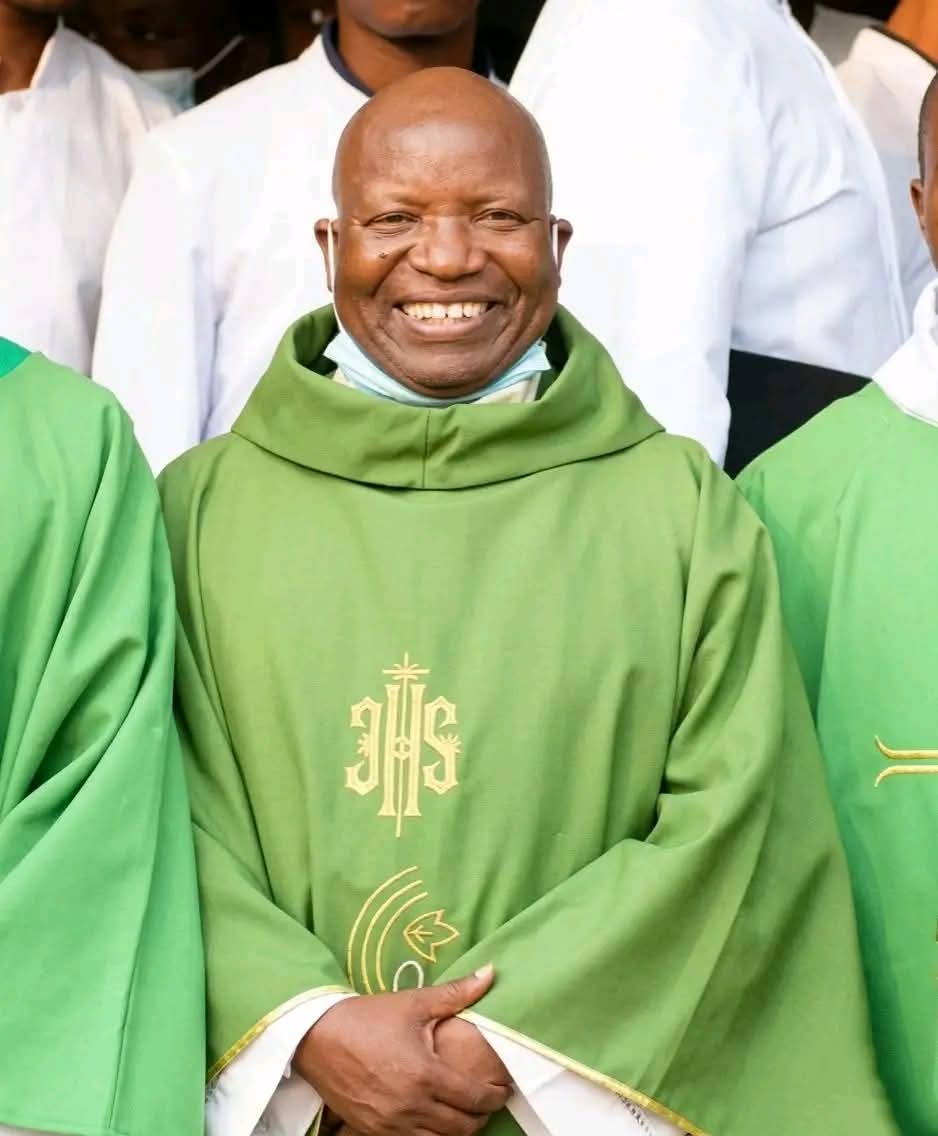
Speaking in an interview with Zambian Business Times-ZBT, Caritas Zambia Executive Director, Fr. Gabriel Mapulanga said the current debate over removing term limits raises questions about whether elected representatives will protect the Constitution or pursue changes that could benefit those holding political power.
Mapulanga explained that Zambia had agreed to a two-term presidential limit after moving away from the one-party state, and that the constitutional arrangement should be respected rather than altered to create room for extended leadership.
“After moving away from the one-party state, we agreed that one can only serve for two terms, which is equivalent to 10 years, and that is what we should continue to respect,” he said.
The clergy said describing the proposal as the removal of term limits rather than a push for a third term does not change its implications, warning that such arguments can disguise an attempt to extend presidential tenure.
“As Caritas, we are against the idea of a third term or removing term limits; according to the Constitution, you rule for two terms and you go, and that is what we stand by,” he said.
Fr. Mapulanga stated that Members of Parliament should not make such a fundamental constitutional change on behalf of citizens without giving the people a direct opportunity to decide, arguing that a referendum will provide a more legitimate route.
“If there is a need to change the term limits, it should be through a referendum so that the people themselves can decide, rather than Parliament simply making that decision,” he said.
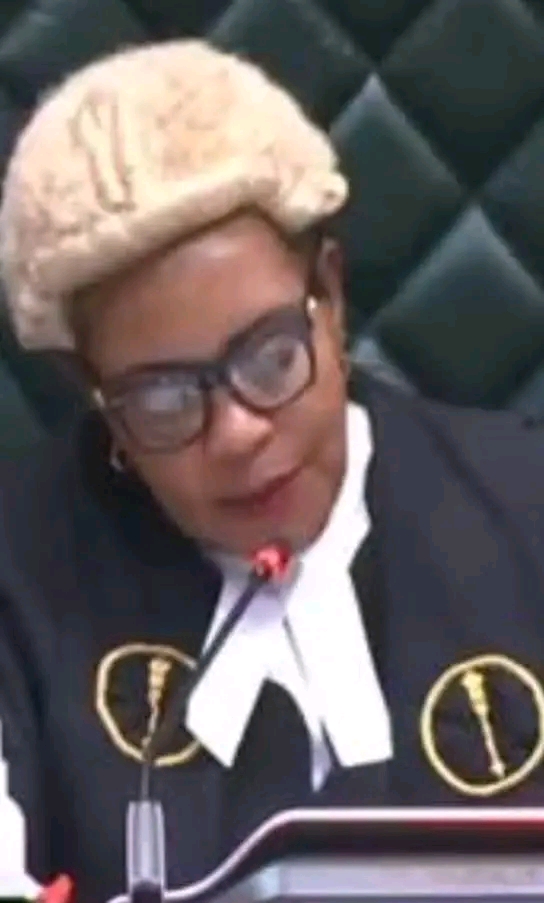
The position raises a broader question about the responsibility of MPs in the August House as to whether they will exercise independent judgement, defend constitutional principles and represent citizens’ interests, or simply endorse decisions without adequately considering their long-term consequences.
By Philip Sinkala




Community Feedback