
Who really owns customary land?

Breaking News Zambia
NewsZambia is now facing a dangerous collision […]
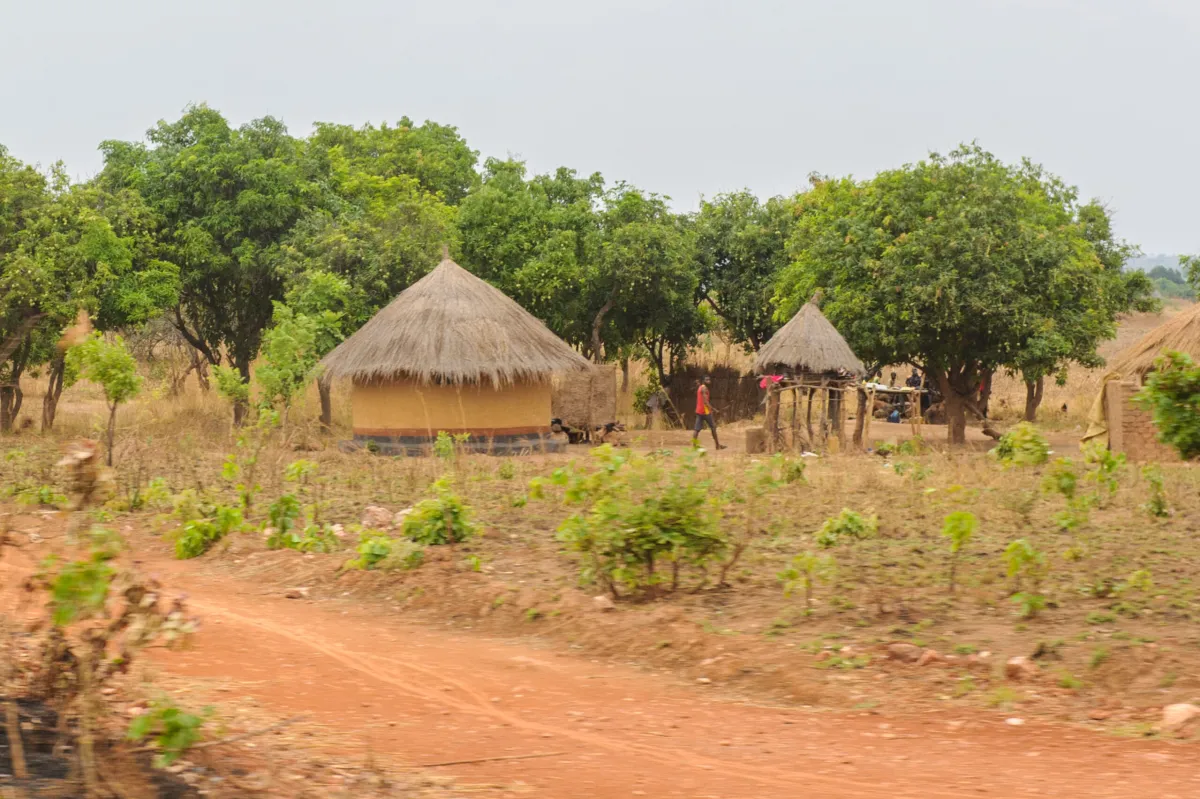
Zambia is now facing a dangerous collision between two land systems, State land which has title deeds and a clear legal regime, and customary land which makes up most of the country and is held in trust by chiefs for their people without that same legal protection.
The Zambia Institute of Planners (ZIP) has disclosed that discussions are underway about whether the country needs new legislation to govern customary land, a debate that is already stuck because planners and chiefs do not agree on what order actually means.
Speaking to Zambian Business Times – ZBT, ZIP President, Busiku Sulwe maintained that there is no need to introduce a law strictly for customary land, because what Zambia needs is not a new law to control customary land but a way to plan it without taking it away from the people who own it.
Meanwhile, traditional leaders have maintained that customary land should not necessarily be converted into State land for individuals to acquire ownership rights, especially after the rampant sales to foreign developers and conversion to State land in most parts of the country.
That resistance comes from a simple truth that Sulwe himself admits, which is that to be a chief is to preside over land, and if you take away control of the land you take away the chieftaincy itself.
“The argument between land planning and administration is that chiefs, of course, for you to be one, you need to preside over land, that provision is difficult because they think that if you go and plan it, it means you are taking control of the land, we need to bring them together,” he said.
That fear is not paranoia but history, because across Zambia customary land has been sold, converted to State land, and handed to foreign developers and well-connected individuals, often without the full understanding or consent of the communities living on it.
Once customary land is converted it rarely comes back, the chief loses authority, the villagers lose security, and the land becomes a commodity for those who can afford title.
That is why many traditional leaders are now reluctant to allow comprehensive physical planning of settlements on customary land, because to them planning looks like the first step to surveying, surveying looks like the first step to conversion, and conversion looks like grabbing.
However, Sulwe has raised concern that refusing to plan is also dangerous in a different way, warning that the failure to plan customary land settlements is contributing to the growth of informal settlements that will become costly challenges in the future if the situation is not addressed urgently.
“If we don’t settle customary land planning, we will continue to have unplanned settlements, by the time we realise it, it will be expensive to correct the situation, so we need to look at this issue,” he said.
Sulwe, however, stressed that customary land ownership rights cab be preserved while allowing physical planning to proceed, with the Ministry of Lands playing a role in facilitating the process rather than controlling it.
By Samuel Mutale




Community Feedback