
UTH Performs Zambia’s First Microsurgical Breast Reconstruction

Breaking News Zambia
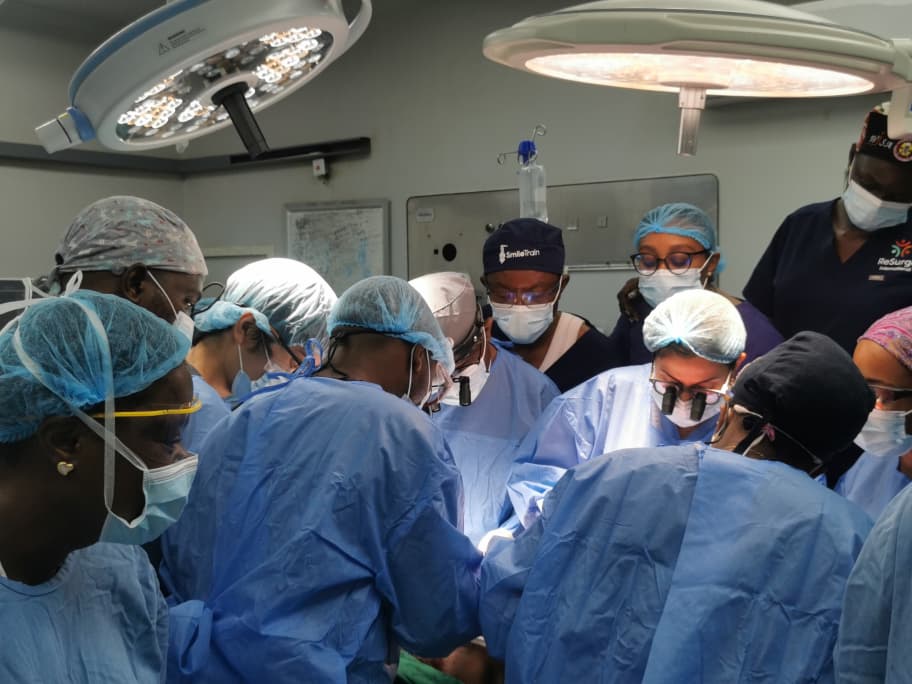
NewsTHE University Teaching Hospitals Adult Hospital performed Zambia's first microsurgical breast reconstruction procedures, officials said. The hospital performed the procedures on two women, ages 34 and 45, who had previously undergone breast cancer treatment. The surgeries took place Thursday as part of a four-day Advanced Microsurgery Course organized by the hospital's Plastic and Reconstructive Surgery
Audio article Listen to this story Share Send this storyTHE University Teaching Hospitals Adult Hospital performed Zambia’s first microsurgical breast reconstruction procedures, officials said.
The hospital performed the procedures on two women, ages 34 and 45, who had previously undergone breast cancer treatment. The surgeries took place Thursday as part of a four-day Advanced Microsurgery Course organized by the hospital’s Plastic and Reconstructive Surgery Unit. The procedures were led by Dr. Chihena Banda, head of plastic and reconstructive surgery, and Dr. Mildred Nakazwe, with participation from local and international specialist surgeons attending the course. Surgeons used a technique known as Deep Inferior Epigastric Perforator, or DIEP, flap breast reconstruction. The technique involves transferring skin, fat and blood vessels from a patient’s abdominal area to reconstruct the breast. It requires highly specialized microsurgical skills to connect tiny blood vessels to restore the breast’s natural shape and appearance. Banda said the introduction of the procedure represents a major advancement in reconstructive services in Zambia, particularly for women who have undergone mastectomy as part of breast cancer treatment. He said breast reconstruction provides an important option for cancer survivors, helping restore body image, confidence and overall quality of life. Banda said the development follows the resumption of radiotherapy services in Zambia and forms part of the hospital’s broader efforts to strengthen specialized cancer care and expand treatment options available to patients locally. The milestone was made possible through support and collaboration with various stakeholders, including the Government of Japan through Mie University, the Japan Institute of Health, Rotary Club International and Research International. The Advanced Microsurgery Course began Tuesday and concluded Thursday. It brought together specialist surgeons from Zambia and other countries, including Japan, the United Kingdom, the United States, Kenya, South Africa and Zimbabwe. The training provided a platform for knowledge exchange, skills transfer and capacity building in advanced microsurgical techniques. UTH Adult Hospital said it remains committed to advancing specialized medical services through innovation, professional collaboration and skills development, ensuring patients can access increasingly complex and specialized health care services within the country.Your reaction
Have your say
Everyone is welcome. No account or email needed.
Comments 0
Be the first to start the conversation.



Community Feedback