
Treason, Political Memory and the Burden on UPND

Breaking News Zambia
News INSIGHT | Treason, Political Memory and the Burden on UPND Nearly three months after opposition leader Brian Mundubile, lawyer Makebi Zulu and their co-accused were arrested following Zambia’s August 13 general elections, the substantive treason trial has yet to begin. The State alleges a plot to overthrow the Government, but court proceedings have largely […]
INSIGHT | Treason, Political Memory and the Burden on UPND
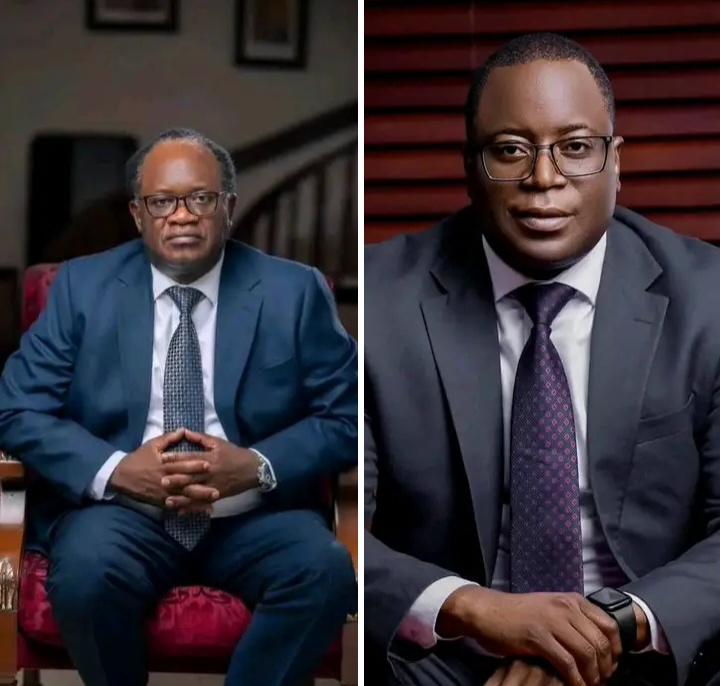
Nearly three months after opposition leader Brian Mundubile, lawyer Makebi Zulu and their co-accused were arrested following Zambia’s August 13 general elections, the substantive treason trial has yet to begin. The State alleges a plot to overthrow the Government, but court proceedings have largely centred on bail applications, preliminary objections and procedural disputes.
Against this background, two experienced political figures, Wynter Kabimba and Socialist Party president Fred M’membe, have questioned the handling of the case, drawing comparisons with President Hakainde Hichilema’s own treason prosecution in 2017.
Speaking on Prime Television’s Matters Arising programme on Saturday, Kabimba questioned the pace of proceedings and warned of political consequences if the State failed to substantiate its allegations. “Surely by now the treason case would have started, or should have started,” he said, according to published accounts of the interview.
His warning was even stronger: “If this does not result into conviction, then UPND is gone. History will repeat itself.” Kabimba believes the governing party risks creating the same political grievances which contributed to the downfall of the Patriotic Front.
M’membe, in a statement issued on Sunday, approached the matter from the standpoint of democratic accountability. “History has a way of testing the memory of those in power,” he observed, recalling Hichilema’s detention under former President Edgar Lungu. M’membe argued that a prosecution failing to withstand legal scrutiny could damage the Government’s democratic standing and public confidence in State institutions. He also questioned whether the UPND, elected on promises of ending political persecution, is living up to those commitments.
The historical comparison is difficult to ignore. Hichilema was arrested and charged with treason under the PF government in April 2017. He spent approximately four months in detention before the prosecution was discontinued. His experience became part of a broader national debate about political freedoms, State power and the treatment of opposition leaders. Four years later, Zambians voted the PF out of office amid concerns about economic hardship, unemployment, public debt and governance.
Hichilema’s detention was not the sole cause of the 2021 electoral defeat, but it contributed to the political grievances surrounding the former ruling party.
Today, the political positions have reversed. Hichilema is President, while some of his most prominent opponents face allegations carrying exceptionally serious legal consequences. A growing narrative among government critics suggests criminal proceedings are being used to weaken or silence the opposition.
One question repeatedly raised is why, if an organised militia genuinely plotted to overthrow the Government, the substantive treason trial has not commenced. Such concerns do not establish the allegations are false, but they reflect public frustration over the absence of evidence tested in open court. Procedural applications and judicial decisions can also affect the progress of criminal proceedings, meaning delays alone cannot establish political interference.
For the State, the responsibility is substantial. Allegations of treason, armed mobilisation or threats to constitutional government cannot simply be ignored. Authorities have a duty to investigate credible security threats and prosecute where evidence supports criminal charges. Equally, the accused are presumed innocent, and the seriousness of the allegations cannot substitute for proof. Prolonged detention and procedural disputes raise questions about the balance between national security and constitutional protections. A prosecution should neither be abandoned for political convenience nor prolonged merely to avoid the embarrassment of withdrawing unsupported charges.
Kabimba and M’membe are themselves political actors, and their statements must be understood within the wider political contest. But their arguments raise questions extending beyond party interests. Kabimba is concerned about the political consequences of an unsuccessful prosecution, while M’membe questions the Government’s commitment to democratic principles it defended while in opposition. The law, however, does not require prosecutors to secure convictions to justify every prosecution. An acquittal does not automatically establish political persecution. What matters is whether charges were brought on a proper evidential basis, whether proceedings are conducted fairly and whether individual criminal responsibility can be established.
Zambia’s experience between 2017 and 2021 demonstrates how controversies surrounding the treatment of opposition leaders can remain politically significant long after court proceedings have ended. Whether the present case results in convictions, acquittals or discontinued charges, its handling will form part of the UPND government’s political record. The immediate responsibility rests with the justice system to determine the allegations independently and without unnecessary delay.
For President Hichilema and his governing party, the broader challenge is ensuring the exercise of State power remains consistent with the constitutional principles they once demanded from those holding office.
The People’s Brief | Ollus R. Ndomu
16 November 2026


Community Feedback