
Someone is stealing K6 on every litre of fuel bought – OMCAZ

Breaking News Zambia
NewsIt has become an established national expectation […]
It has become an established national expectation that Zambian motorists should simply adjust to escalating fuel prices, as though resilience alone were a sufficient substitute for accountability in public pricing.
Yet before one accepts this narrative with unquestioning compliance, it may be prudent to consider that there exists an unaddressed question behind the current pump price, a question whose answer may explain why the ordinary consumer continues to bear a burden that appears increasingly difficult to justify.
One must commend the prevailing wisdom that Zambians should simply adapt to escalating fuel prices, rather than inquire why a commodity transported 1,900 kilometres costs more than the same commodity transported 2,300 kilometres.
The Oil Marketing Companies Association of Zambia (OMCAZ) has questioned the transparency of the country’s fuel pricing system, arguing that a comparison with the Democratic Republic of Congo (DRC) raises serious questions about the cost Zambians are paying at the pump.
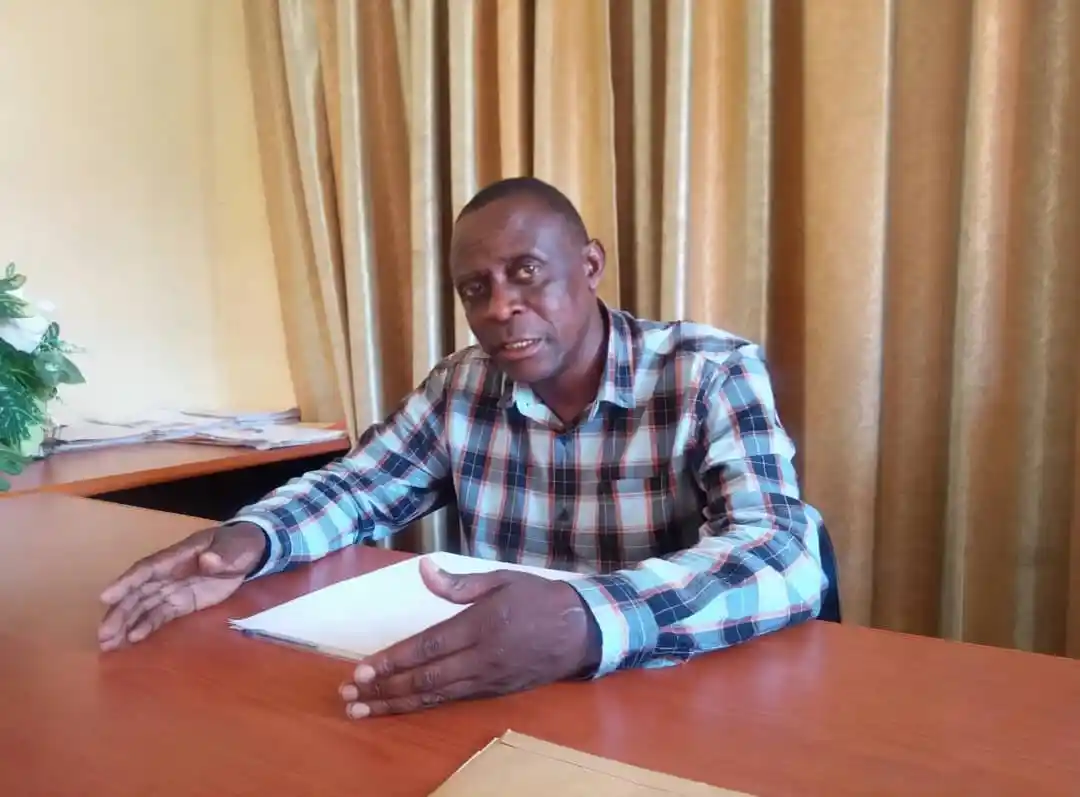
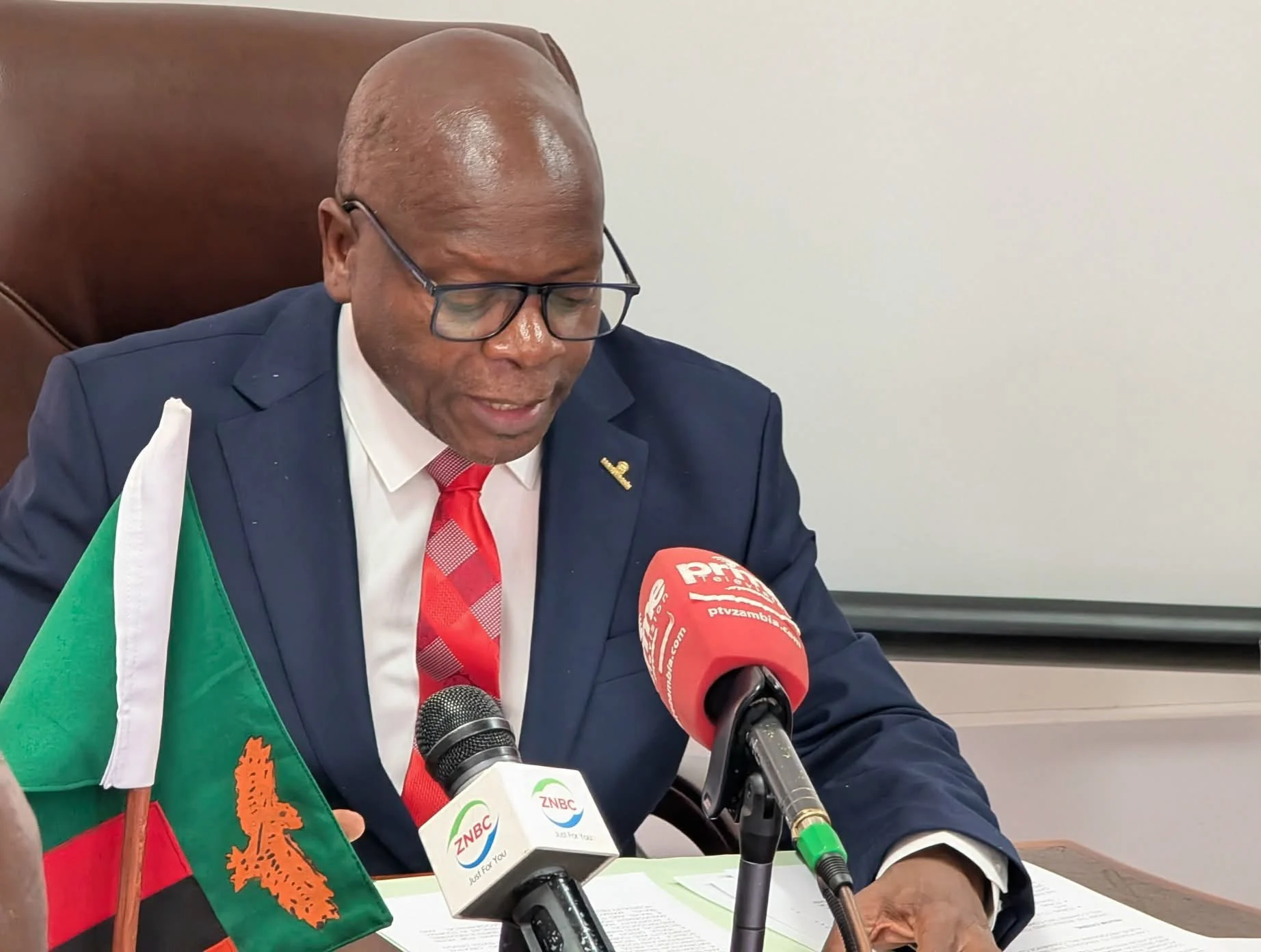
Speaking in an interview with Zambian Business Times-ZBT, OMCAZ President, Dr. Kafula Mubanga said the real issue is not whether motorists should get used to rising fuel prices, but whether the pump prices being charged are genuinely cost-reflective.
Mubanga explained that diesel in the DRC is selling at an equivalent of about K28 per litre, compared with approximately K34 in Zambia, leaving a difference of around K6 despite Zambia being closer to the port of entry.
He questioned why Zambia is paying more when the DRC reportedly transports its fuel over a distance of about 2,300 kilometres, compared with approximately 1,900 kilometres for Zambia, while also lacking the pipeline infrastructure Zambia has.
“The question is why the DRC should have cheaper fuel when it is farther from the port, uses our roads to transport its products and does not have the pipeline infrastructure that we have,” said Dr. Mubanga.
He argued that the K6 difference deserves scrutiny, alleging that the gap can point to money being siphoned or taken through a pricing system that has not received adequate due diligence.
“That six-kwacha difference between the two countries raises questions about whether money is being siphoned or taken, and the Competition and Consumer Protection Commission (CCPC) must step in to examine the figures,” said Dr. Mubanga.
He called on CCPC to investigate the pricing differences and establish whether consumers are being overcharged, saying motorists should not be expected to accept unexplained costs whenever fuel prices are adjusted.
Dr. Mubanga also demanded that Government publish a detailed monthly breakdown of fuel prices, including supplier costs and mark-ups, arguing that consumers have a right to know exactly what they are paying for.
“We want the full breakdown of the price, including the supplier’s costs and mark-ups, published in the public domain and made accessible in print, because Zambians have a right to know whether they are being taken advantage of,” he said.
By Philip Sinkala

Community Feedback