
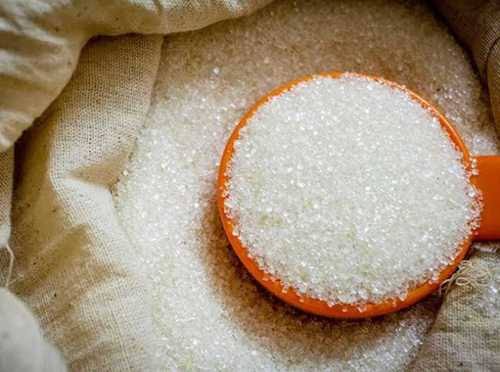
Smuggling & illicit imports undermine Zambia Sugar’s revenue growth potential

Breaking News Zambia
NewsZambia Sugar Plc, a subsidiary of Associated […]
Zambia Sugar Plc, a subsidiary of Associated British Foods and Zambia’s largest sugar producer, has reported a 13% drop in revenue for the 2026 financial year. The company has cited illegal sugar imports and smuggling from neighboring countries as a key factor that has undermined the company’s ability to continue on its revenue growth trend.
The company says the appreciation of the Zambian kwacha in 2026 had made imported sugar more competitive on its local and domestic market of Zambia. The Mazabuka headquartered company has reported revenue losses of more than K1.2 billion during the year, compared to 2025, which it attributed chiefly to illegal imports and competition from smuggled sugar.
Speaking at the company’s full-year results announcement event in Lusaka, attended by the Zambian Business Times (ZBT), Finance Director Hezron Musonda said the stronger Kwacha had made imported sugar cheaper as well as led to intensified competition among local producers as export margins shrunk.
Musonda said Zambia Sugar’s domestic sales fell by about 37,000 tonnes, from 315,000 tonnes in 2025 to 278,000 tonnes in 2026, reducing domestic revenue by K817 million.
He said that this led the company to cut sugar prices twice during the year, by 5% in January and 8% in April 2026, in an effort to recover lost sales volumes, remain competitive and reflect improvements in economic conditions.
Zambia Sugar also faced competition from sugar that would otherwise have been exported by other local producers.
Musonda said weaker export-market margins had led some local competitors to re-direct supply to the domestic market, adding to pressure on local prices and sales. In addition, Zambia Sugar said the stronger Kwacha affected industrial customers that export products such as beverages and confectionery.
Lower margins among those customers led some to scale back on production, reducing their demand for sugar.
To help recover volumes and remain competitive, the company reduced prices by 5% in January and a further 8% in April, according to Musonda.
He said these reductions, alongside currency and market pressures, contributed to lower revenue. Zambia Sugar reported.
Furthermore, the exchange-rate impact on its export revenue amounted to about K390 million, roughly 33% of the K1.2 billion decline in revenue. The company said it continued exporting despite the effect on returns because it has foreign-currency costs and uses export earnings as a natural [foreign currency] hedge.
“Although [Kwacha appreciation] helps with inflation and other sectors, for the domestic manufacturing sector, the impact is higher if you are a net exporter like we are,” Musonda said.
He said the results point to the mixed effects of a stronger currency as it can ease inflationary pressure while putting pressure on exporters and local manufacturers that compete with lower-priced imports.
Overall, Musonda attributed the K1.2 billion revenue decline to the combined effects of illegal sugar imports, competitors redirecting export sugar to the local market and the foreign-exchange impact of the stronger Kwacha on exports.





Community Feedback