
Re-entry policy: Restoring a girl child’s dream

Breaking News Zambia
NewsBy Patrick Soko At 17, Mercy Phiri (not her real name) faces a responsibility that has changed the course of her young life; motherhood. Like many adolescent girls whose education is interrupted by pregnancy, Mercy faces the challenge of balancing the demands of raising a child with her ambition to complete her education. But with […]
By Patrick Soko
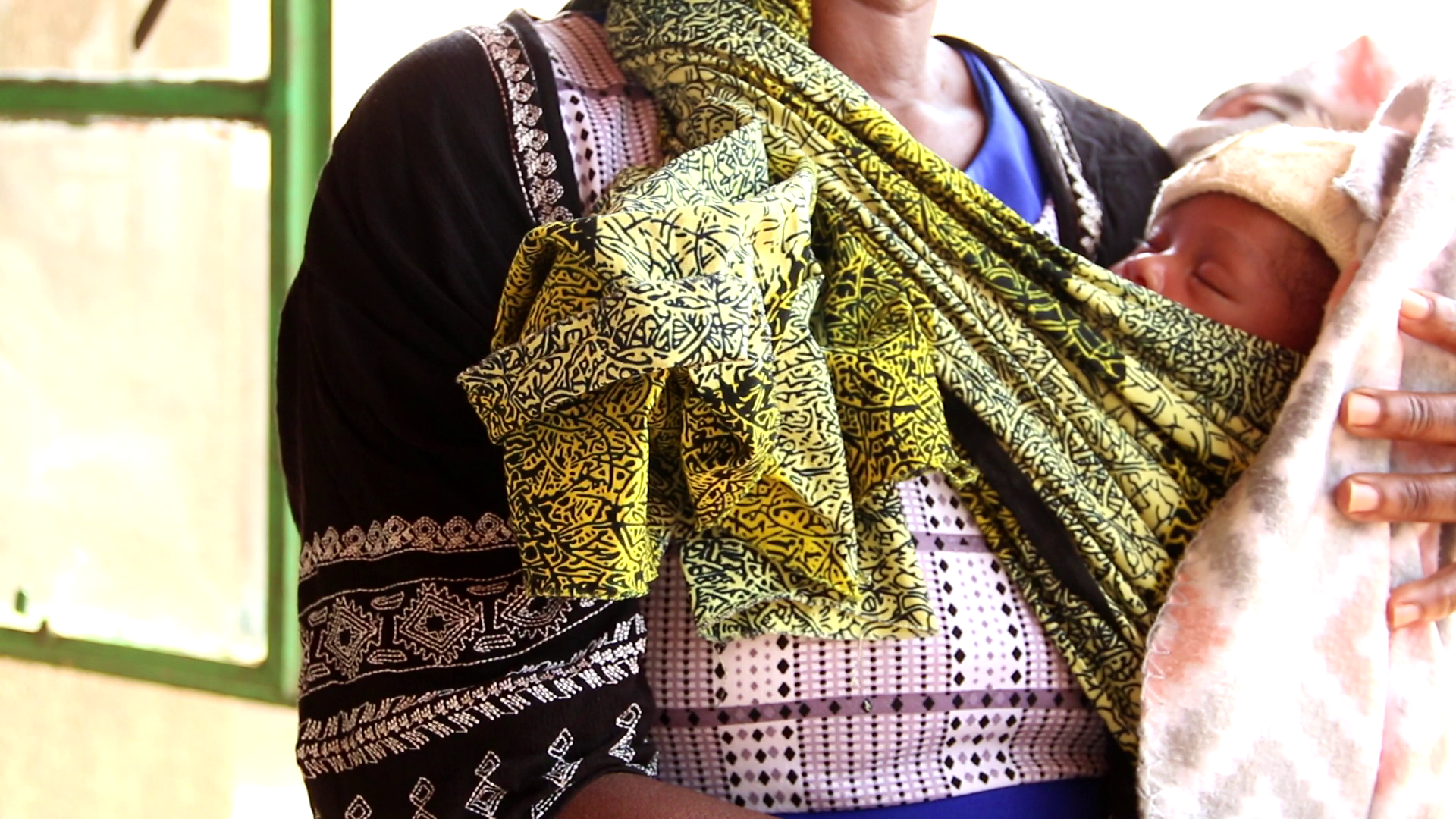
At 17, Mercy Phiri (not her real name) faces a responsibility that has changed the course of her young life; motherhood.
Like many adolescent girls whose education is interrupted by pregnancy, Mercy faces the challenge of balancing the demands of raising a child with her ambition to complete her education.
But with support from her mother, Beauty Phiri (not her real name), and the opportunity provided by Zambia’s School Re-Entry Policy, Mercy has a chance to return to the classroom and continue pursuing her dreams.
For Mercy, returning to school is about more than completing her education. It is an opportunity to rebuild her confidence, expand her choices and secure a better future for herself and her child.
Her story illustrates the importance of policies that enable girls to continue learning even after pregnancy and childbirth.
Zambia introduced its School Re-Entry Policy in 1997 to provide a pathway for girls whose education is interrupted by pregnancy to return to school after childbirth.
The policy recognizes that teenage pregnancy should not automatically end a girl’s educational journey. Instead, it provides a framework for supporting pregnant learners and young mothers to resume their studies.
For girls like Mercy, the opportunity to return to school can make a significant difference at a critical stage of their lives.
Without family support, an understanding school environment and community acceptance, young mothers may struggle to resume their education because of childcare responsibilities, financial pressures and the stigma associated with teenage pregnancy.
Certainly the re-entry policy offers a route back into formal education, but its impact depends on whether girls can access that opportunity and receive the support they need to remain in school.
Behind Mercy’s opportunity to return to school is the support of her mother, Beauty Phiri, who wants her daughter to continue with her education despite the challenges of being a teen mother.
Mrs Phir’s support highlights the important role families play in ensuring that teenage mothers are not permanently excluded from learning.
For a young mother, returning to school may require practical arrangements for childcare, encouragement to overcome embarrassment and reassurance that her future is not defined by an early pregnancy.
Family acceptance can therefore become a crucial bridge between the existence of an education policy and a girl’s ability to benefit from it.
“When our daughter got pregnant we were very devastated because all we wanted was to see her get educated and be able to take care of herself and the family. However we were assisted by the Child Protection Committee and through cancelling, me and my husband were able to interpret the situation positively and were able to support our child,” said Mrs Phiri.
Beauty’s experience also presents an opportunity to examine how parents and guardians can help protect the educational aspirations of adolescent girls while supporting them to navigate the responsibilities of motherhood.
At Kangambwa Primary School in Petauke district of eastern province, a guidance teacher, Ana Mumba plays a key role in supporting learners and addressing challenges that may affect their education.
She said that with the fact that each school has a guidance department, School Guidance Teachers help create an environment where young mothers are treated with dignity, receive appropriate guidance and are encouraged to continue learning.
However, returning to school is only one step. Remaining in school and completing an education may require continued psychosocial support, flexibility where appropriate and cooperation between teachers, parents and community structures.
The experiences of teenage mothers can also help schools identify barriers that might otherwise remain unnoticed, including bullying, stigma, absenteeism and difficulties balancing schoolwork with childcare.
“It is not easy for a girl child to go back to school after falling pregnant due to the fact there is a lot of stigma attached to it but with our experience as guidance teachers, there has been a number of interventions that we improve to make the girls remain in school and the formulation of school councils with support from save the children we have been able make pupils aware and be sensitive to issues affecting them and their peers,” Ms Mumba said.
Such support is important because the success of the re-entry policy should not be measured only by how many girls return to school, but also by whether they are able to remain in class, learn effectively and progress through the education system.
Beyond the home and school, community structures also have a role in ensuring that young mothers are not isolated or denied opportunities to continue their education.
Headman Mulalo Emmanuel Tembo, Chairperson of the Kalindawalo Community Child Protection Committee in Chief Kalindawalo’s area in Petauke, has described the School Re-entry Policy as essential.
His perspective provides an opportunity to examine how community child protection structures can help raise awareness about the policy, encourage families to support affected girls and address attitudes that discourage young mothers from returning to school.
Community engagement is particularly important in addressing stigma and challenging the belief that pregnancy should permanently end a girl’s education.
He stressed child rights also undermined the ability for parents to raise their children in an appropriate manner because children were defying their guardian interpreting correction for rights violations.
The traditional leader said through the child protection committee children have been made aware that their rights have limitation and that it was very important that they listened to the elders.
“Here in Chief Kalindawalo’s Chiefdom we are teaching Children to be obedient and listen parents and embrace education and we have been able to educate parents and guardians to be cognizant that when a child falls pregnant they must not be married off but rather helped to go back to school,” he said.
The involvement of community leaders, parents, schools and child protection structures can help turn the policy from a national commitment into a practical opportunity for girls in local communities.
While the policy provides an important route back to education, teenage mothers may still face obstacles that threaten their continued participation.
These can include the cost of school materials, transport, childcare responsibilities, discrimination and the pressure of combining academic work with caring for a child.
Addressing these challenges requires concerted efforts from families, schools, education authorities, community organizations and other key stakeholders.
It also calls for continued awareness of the re-entry policy so that pregnant learners and young mothers understand their options and know where to seek assistance.
For girls who return to school, the opportunity to continue learning can help preserve their future choices.
Education can strengthen their knowledge and skills, improve their prospects for employment and further training, and help them make informed decisions for themselves and their children.
However, these outcomes are not automatic. They depend on sustained support and the opportunity to complete education.
Mercy’s story is a reminder that teenage motherhood and educational ambition do not have to be mutually exclusive.
With a supportive family, an understanding school and a community that values education, a young mother can have an opportunity to continue learning and work towards a different future.
The School Re-Entry Policy provides the framework. The responsibility of making it work extends to the people and institutions surrounding each girl.
For Mercy, the support of her mother and the possibility of returning to the classroom represent an opportunity to continue a journey that might otherwise have been cut short.
Her experience raises a broader question for communities in Petauke and beyond: how can families, schools and community leaders ensure that no girl loses her chance at education simply because she has become a mother?
The answer lies not only in allowing girls to return to school, but in creating conditions that enable them to stay, learn and succeed.





Community Feedback