

Phiri to drive sports development via Parliament

Breaking News Zambia
SportsMember of Parliament elected under the Mixed Member Proportional Representation system, Kennedy Phiri, says he intends to use all four fundamental responsibilities of Parliament – representation, legislation, budget scrutiny and oversight – to advance sports development in…
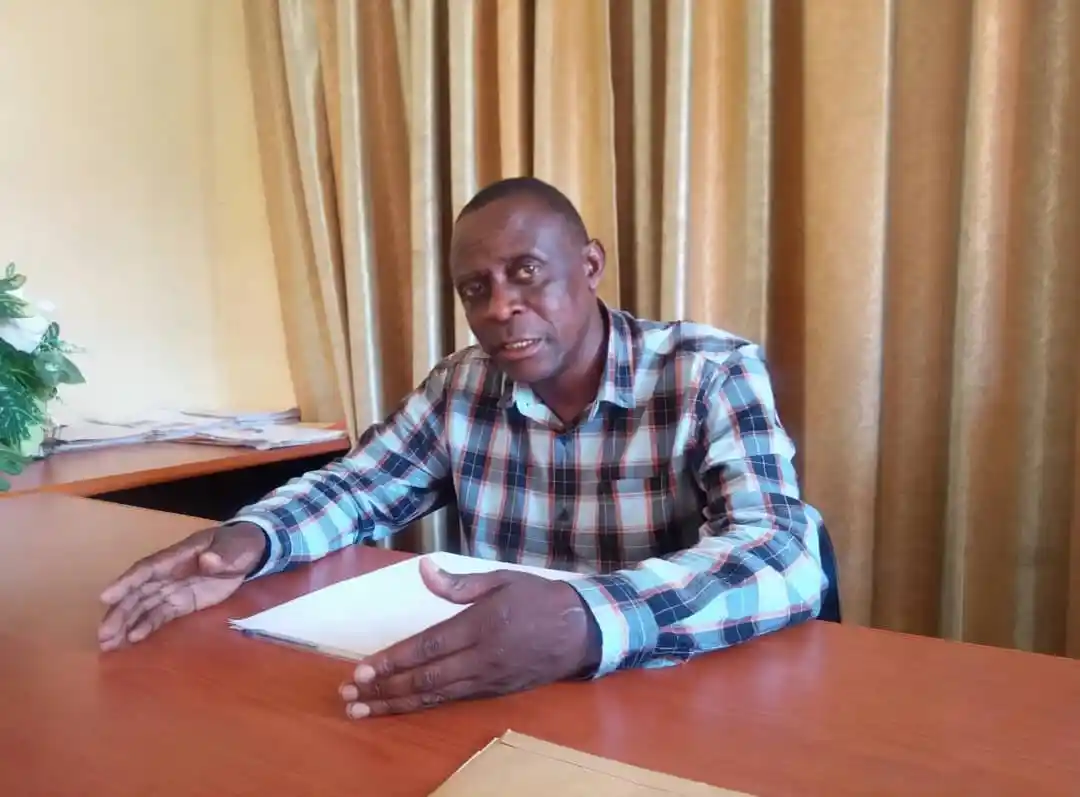
Member of Parliament elected under the Mixed Member Proportional Representation system, Kennedy Phiri, says he intends to use all four fundamental responsibilities of Parliament – representation, legislation, budget scrutiny and oversight – to advance sports development in Zambia.
Phiri, a member of the Parliamentary Committee on Sports, was discussing the role of Parliament in shaping Zambian sport.
He says he intends to bridge the gap between the realities experienced by sports men and women in communities and the national policy platform.
“I intend to bring the concerns of the sports fraternity directly to Parliament, advocate policies and legislation that create an enabling environment for sports development and ensure that sports receives the attention it deserves in national development priorities,” Hon. Phiri said.
He said his advocacy will not be limited to mainstream sports, adding that he will pay particular attention to sports for persons with disabilities, an area that has historically received insufficient attention and investment.
Hon. Phiri expressed concern over the inadequate prioritisation of sports infrastructure in the national budget.
“While we recognise that the Government has competing national priorities, sports cannot develop meaningfully without deliberate and sustained investment. When you examine sports development in Zambia you will realise that the challenge is not necessarily lack of sports talent, we have talent in abundance but many lack access to appropriate facilities, equipment, training opportunities and structured competitions through which they develop their abilities,” he said.
He said he is concerned about the limited attention given to sports infrastructure at community level and the inadequate provisions for persons with disabilities.
“We cannot talk about inclusive sports development when facilities are not designed or equipped to accommodate athletes with disabilities,” Hon. Phiri said.
He said there is need to ensure that sports funding benefits communities that are left behind.
“I believe we must change the way we approach sports funding. Sports development should not be concentrated only in Lusaka and a few major urban centres, it must reach communities across all provinces including rural and underserved areas,” he said.
“The starting point should be deliberate and equitable resource allocation. We need a funding framework that considers population, sporting potential, infrastructure deficit, disability inclusion and the level of sports development in particular communities.”
Phiri said there is need to strengthen school and community sports, noting that schools are important institutions for identifying and nurturing sporting talent.
“If we invest in school competitions, community leagues, local coaches and basic sporting facilities, we create a sustainable foundation for national sports development,” he said.

Community Feedback