
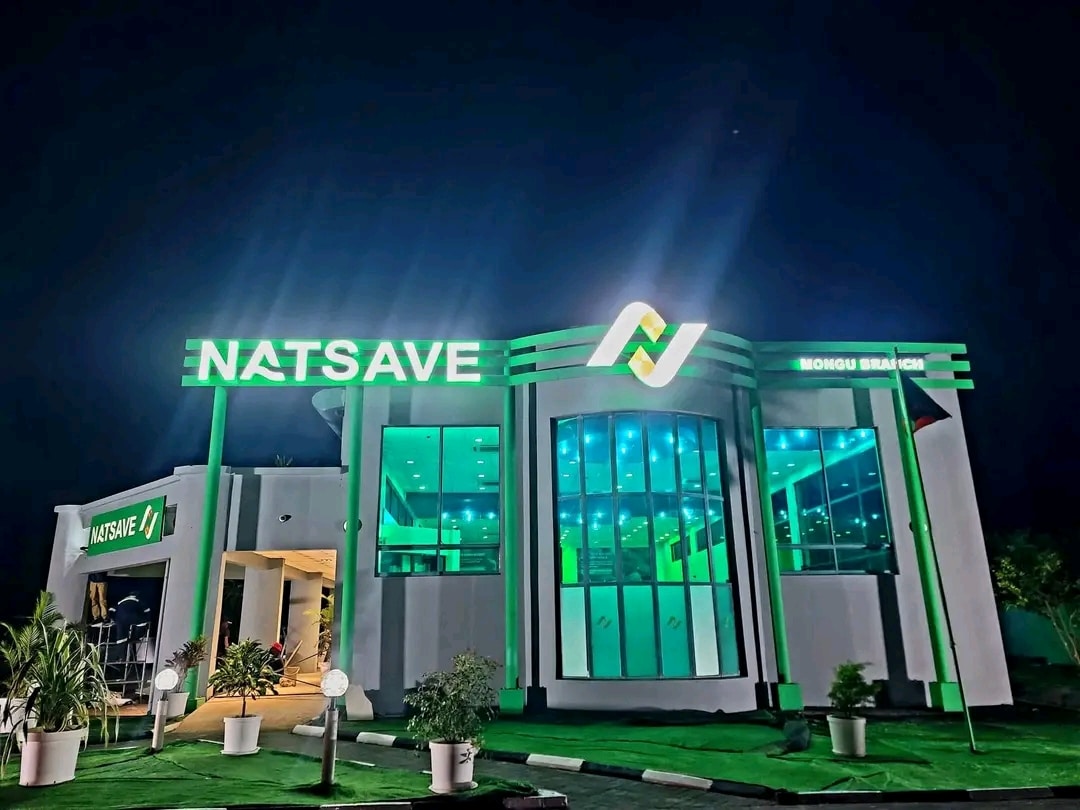
NATSAVE Bank in 2025/2026 farming season gave K83m loans to 960 farmers who never applied – Auditor Generals report reveals

Breaking News Zambia
NewsAccording to the AG’s report, NATSAVE made […]
According to the AG’s report, NATSAVE made an irregular disbursement of loans worth K83.1 million for the 2025/2026 farming season, contrary to Guideline No. 5.0 (i–xiv) of the Sustainable Agricultural Financing Facility (SAFF).
The report reviewed by the Zambian Business Times (ZBT) indicates that SAFF guidelines require applicants to complete prescribed forms, obtain endorsement from a chief executive officer or group leader, undergo screening by the District Agricultural Coordinator (DACO) and receive bank appraisal before the Ministry approves disbursement.
However, a review of the ZIAMIS system revealed that 960 NATSAVE beneficiaries who did not apply for loans for the 2025/2026 season were loaded with loans amounting to K83,193,952.
The report further states that NATSAVE management attributed the irregularity to an error in which the beneficiaries were loaded with the same loan amounts disbursed to them during the previous 2024/2025 farming season.
Of the amount, seven beneficiaries redeemed inputs worth K559,940, which had not been recovered by 31 August 2026, while the remaining unredeemed amount stood at K82,634,012.
Further checks on the report indicates that Southern Province recorded the highest number of affected beneficiaries, with 532 farmers loaded with loans worth K52.3 million.
Speaking in an interview with ZBT, economic expert, Kelvin Chisanga said the irregular loading of loans without applications or appraisal points to a serious breakdown in credit risk management, as essential checks meant to protect farmers and lenders were bypassed.
“When NATSAVE loaded K83.1 million on 960 farmers who never asked for credit, it created what we call ghost credit, meaning loans on the system without the proper underlying economic activity,” said Chisanga.
He warned that the error can expose farmers to debt they never requested, while also creating risks for the bank and the public finances if the loans are not recovered.
“If these loans default, the bank may seek payment under the government credit guarantee, meaning what starts as a banking error can become a fiscal liability for the taxpayer through the Ministry of Finance,” said Chisanga.
He also warned that farmers whose names are attached to loans they never applied for can face damaging consequences if the debts are reported to credit reference agencies and subsequently treated as unpaid, potentially affecting access to future agricultural and commercial credit.
“SAFF is meant to reduce the risk of lending to farmers, but loading debt without consent can manufacture risk instead, create defaults and damage farmers’ credit histories,” said Chisanga.
The expert stated that the K83.1 million irregularity raises serious questions about whether SAFF’s verification and approval controls are being enforced, calling for accountability and safeguards to ensure farmers are not held responsible for loans they never requested.
By Philip Sinkala



Community Feedback