

MRC Seeks strong mining Regulation as it plots2027–2031 Strategic Plan

Breaking News Zambia
BusinessThe Minerals Regulation Commission (MRC) has called for strengthened regulatory oversight, transparency, accountability and stakeholder collaboration to enhance the governance and management of Zambia’s mineral resources. The Commission says its inaugural Strategic Plan for…
The Minerals Regulation Commission (MRC) has called for strengthened regulatory oversight, transparency, accountability and stakeholder collaboration to enhance the governance and management of Zambia’s mineral resources.
The Commission says its inaugural Strategic Plan for 2027–2031 will provide a clear roadmap for strengthening mineral regulation, improving service delivery and ensuring that the country’s mineral wealth contributes meaningfully to sustainable national development.
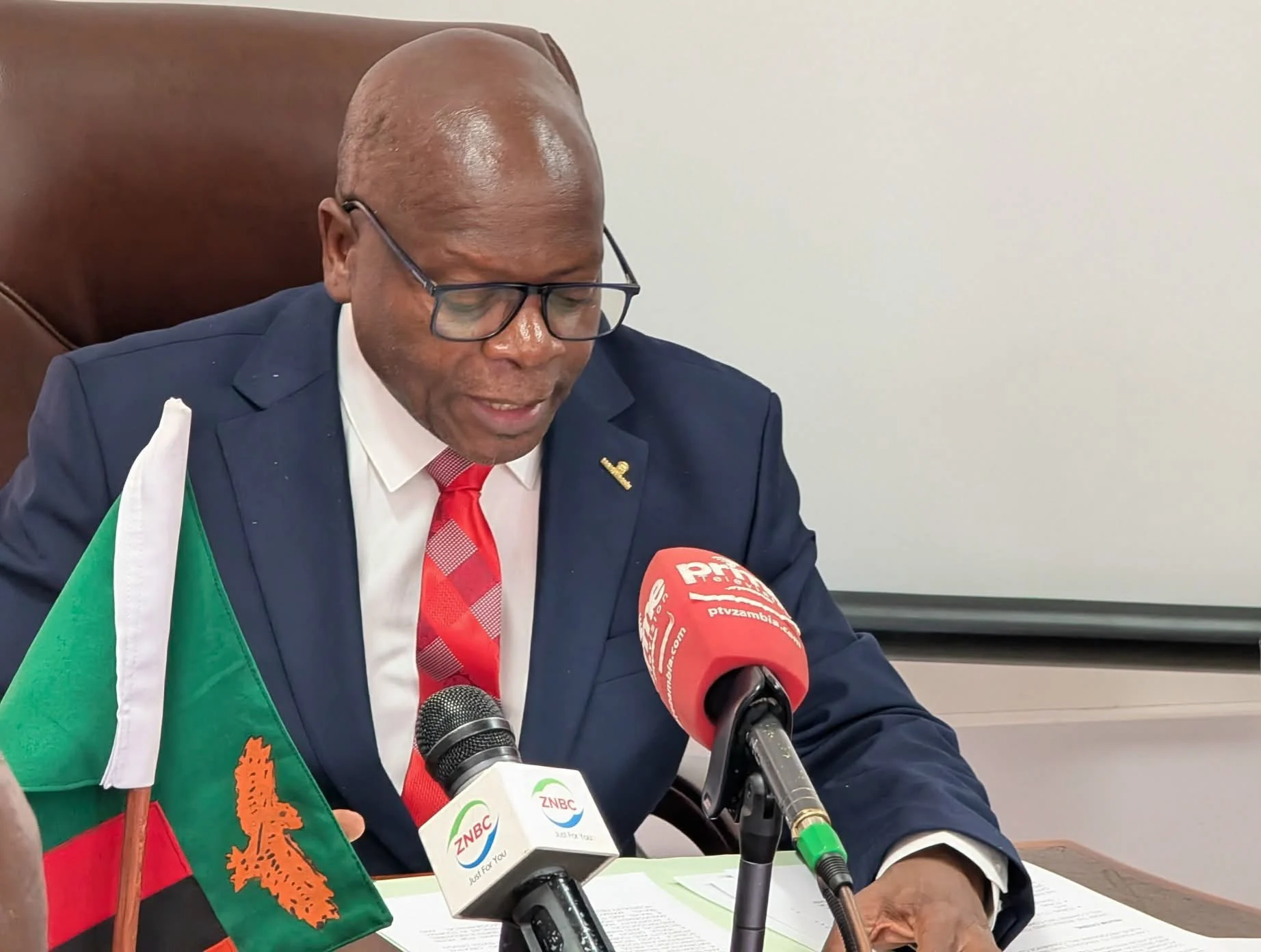
MRC Director General, Tom Hara, said this during a stakeholder engagement and consultation meeting on the draft Strategic Plan in Lusaka, which brought together representatives of Government institutions, mining companies, civil society organisations, cooperating partners, academia and other stakeholders.
Dr Hara said the development of the Strategic Plan comes at a critical time when Zambia is pursuing an ambitious target of increasing copper production to three million metric tonnes annually by 2031.
He emphasised that achieving this target requires a predictable regulatory environment, responsible investment, effective mineral rights administration, environmental protection and strict compliance with regulatory requirements.
Dr Hara said the Commission was committed to building a credible regulator that commands public confidence, earns the respect of the mining industry and provides effective oversight in the national interest.
“The success of this Strategic Plan will depend on collective responsibility and sustained collaboration,” he said.
He stressed that the consultation was not merely intended to present a document for endorsement but to solicit practical contributions that would ensure the final Strategic Plan reflects the realities and expectations of the mining sector.
Dr Hara identified transparency, responsiveness and collaboration as the guiding principles of the Commission’s strategic direction, emphasising the importance of fair, accountable and predictable regulatory processes.
He further underscored the need for stronger partnerships with Government institutions, the mining industry, communities, environmental regulators and civil society to address challenges such as illegal mining, environmental degradation, mineral security, occupational health and safety, and the formalisation of artisanal and small-scale mining.
Meanwhile, ActionAid Zambia has urged the Mineral Regulation Commission to place human rights protection, environmental accountability, gender equality and meaningful community participation at the centre of its regulatory agenda.
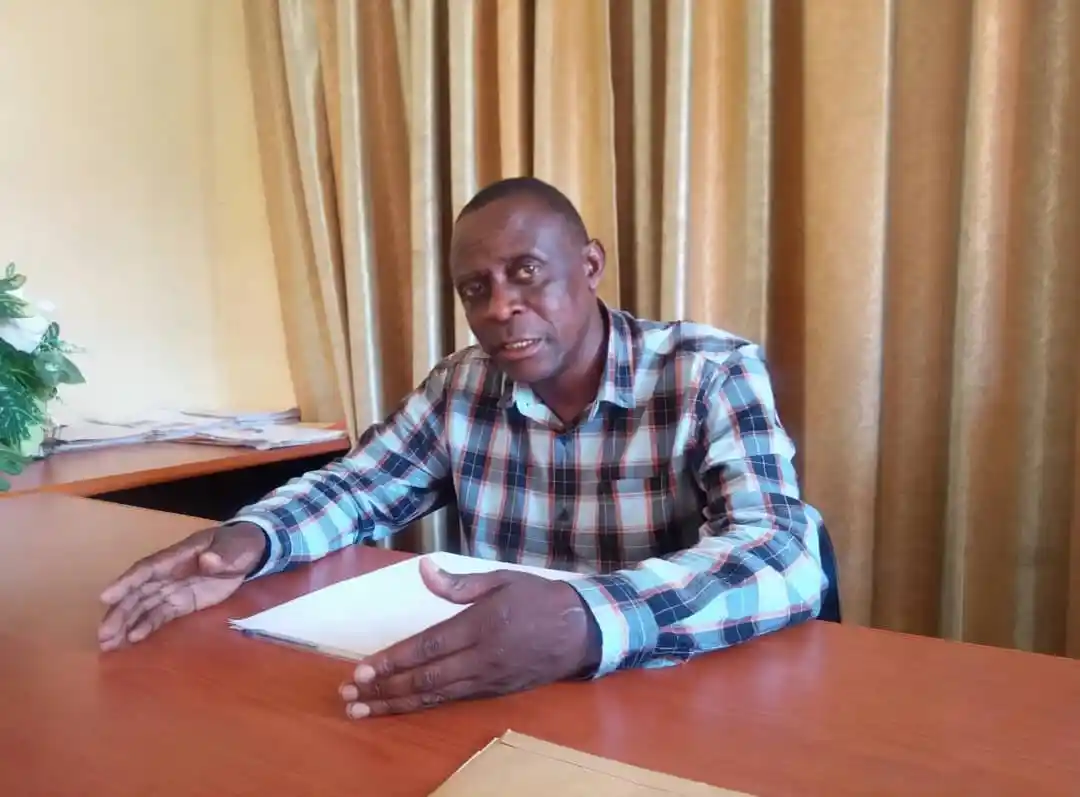
ActionAid Zambia Business Development Manager, Geofrey Sizala, said the country’s mineral wealth must translate into tangible improvements in the livelihoods of ordinary citizens, particularly communities directly affected by mining activities.
Mr Sizala identified five priority areas for consideration in the Strategic Plan: business and human rights, gender equality and public disclosure, formalisation of artisanal and small-scale mining, domestic revenue mobilisation, and community participation and environmental accountability.
He urged the Commission to ensure that mining companies go beyond fulfilling licensing requirements by demonstrating responsible business conduct, protecting workers’ rights, preventing environmental pollution and addressing the concerns of affected communities.
Mr Sizala also called for improved public disclosure of gender-disaggregated information in the mining sector, including employment levels, remuneration, management positions and participation in procurement opportunities.
On artisanal and small-scale mining, he advocated for accessible licensing processes, affordable financing, improved occupational health and safety, responsible sourcing and stronger market linkages to support the formalisation of miners.
He further called for strengthened oversight of mineral production, trading and exports through collaboration with institutions such as the Zambia Revenue Authority to minimise revenue leakages and ensure that the country derives fair economic benefits from its mineral resources.
Mr Sizala emphasised that mining communities must be meaningfully involved in decisions relating to mineral licensing, environmental management, regulatory monitoring and activities that affect their livelihoods.
He said the effectiveness of the Strategic Plan would ultimately depend on measurable targets, transparent reporting and accountability mechanisms that enable citizens to assess the Commission’s performance.
The MRC was established under the Minerals Regulation Commission Act No. 14 of 2024, with the mandate to regulate, monitor and safeguard the development and management of minerals in Zambia.
The stakeholder consultation is expected to validate strategic priorities, generate recommendations, identify partnership opportunities and provide a practical roadmap for finalising and implementing the 2027–2031 Strategic Plan.
The Commission remains committed to strengthening regulatory systems and ensuring that mineral resource development is undertaken responsibly, transparently and in accordance with the law, in support of Zambia’s national development aspirations.
Oxfam country focal point person, Chitimbwa Chifunda commended government for the establishment of a MRC, saying it will promote oversight in the mineral value chain.
She said the Commission is expected to streaming and enhance transparency and accountability in the mining sector.

Community Feedback