
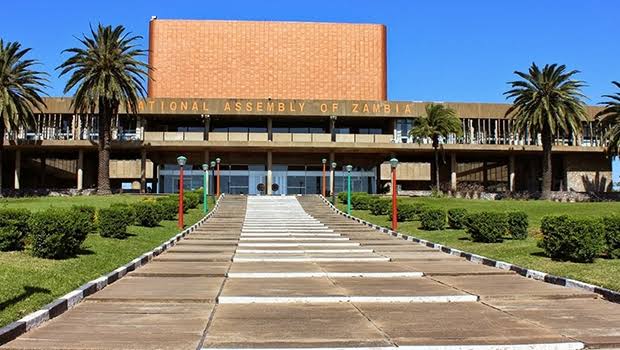
MPs gratuities & ministerial benefits protected while citizens pay – BICA

Breaking News Zambia
NewsIt is indeed commendable that, while ordinary […]
It is indeed commendable that, while ordinary citizens are expected to absorb higher VAT, higher PAYE and increased mobile money levies, the gratuities, salaries and benefits of Members of Parliament and Ministers remain conspicuously protected from the very austerity imposed upon the nation.
One can only admire a fiscal model in which sacrifice is demanded from workers, marketeers and businesses, yet carefully exempted from those who legislate the sacrifice. Meanwhile, BICA Group, a business and investment consultancy in Africa, has expressed concern over the need to examine the cost of running Government, particularly parliamentary gratuities, MPs’ salaries and allowances, as well as ministerial benefits, against the additional tax burden being placed on citizens.
Speaking in an interview with Zambian Business Times-ZBT, BICA Group Chief Executive Officer, Howard Mwape said Government should account for the resources spent maintaining public institutions before asking taxpayers to contribute more. Mwape said the cost of Parliament, including MPs’ salaries, allowances and statutory gratuities, together with Ministers’ salaries and benefits, should be clearly identified and assessed as part of public expenditure.
“Before increasing taxes, Government should first establish whether existing public expenditure is being used efficiently and whether consumptive expenditure can be rationalised to release resources for productive investment,” he said.
Mwape added that the proposed additional K10.8 billion in revenue mobilisation should not be considered in isolation, as citizens and businesses are already facing higher taxes while Government must demonstrate that public resources are being used responsibly.
He said the concern is not simply how much Government collected, but whether the money is being directed towards productive sectors such as agriculture, manufacturing, energy and small businesses instead of being absorbed by administrative costs and other recurrent expenditure.
“Government must recognise that businesses are not merely sources of tax revenue; they are also employers, investors, producers and generators of future tax revenue,” said Mwape.
He told ZBT that Zambia needs a production-and-investment-centred fiscal model in which public spending is measured by its contribution to economic growth, job creation and improved livelihoods, rather than allowing citizens to carry a growing tax burden without clear accountability over the cost of running Government.
Article by Philip Sinkala




Community Feedback