
Lubinda Dares Hichilema To Rule Out Third Term As Govt Defends Term-Limit Talk

Breaking News Zambia
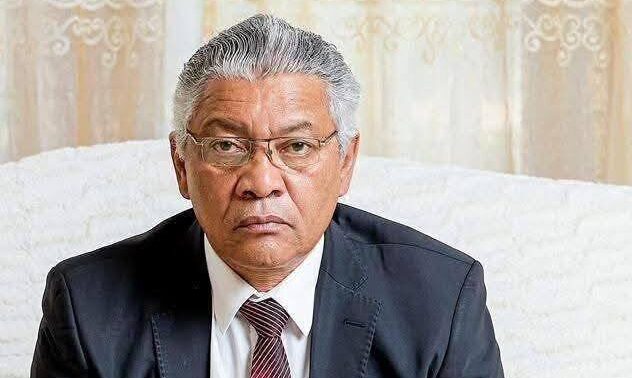
Top StoriesFormer Justice Minister Mr Given Lubinda has challenged President Hakainde Hichilema to publicly distance himself from any attempt to extend his presidency beyond the two terms the Constitution allows. He said Zambia’s democratic principles must take precedence over individual…
Former Justice Minister Mr Given Lubinda has challenged President Hakainde Hichilema to publicly distance himself from any attempt to extend his presidency beyond the two terms the Constitution allows. He said Zambia’s democratic principles must take precedence over individual political ambition.
In a statement, Mr Lubinda said the Head of State’s recent call for ministers to listen to citizens and stop taking them for granted should be reflected in his own leadership. He said this applied most of all to contested constitutional questions.
“President Hichilema therefore has an opportunity to demonstrate the sincerity of his recent message about listening to citizens,” Mr Lubinda said.
“He must unequivocally distance himself from any third-term agenda, discourage attempts to undermine the existing constitutional term limits and reassure the nation that his priority is delivering on the mandate entrusted to him.”
The former minister said Zambia’s rejection of a third-term bid in 2001 should remind the nation that presidential power has constitutional limits and that no individual is above the Constitution. He said listening to citizens should be a continuous responsibility of those in government, not a message reserved for campaign season. Citizens, he added, must be free to express dissenting views without being intimidated or pushed aside.
Mr Lubinda questioned how the government had handled constitutional consultations. He pointed to Constitution of Zambia (Amendment) Bill No. 7 of 2025, which was enacted in December last year despite objections from sections of civil society, church mother bodies and the Law Association of Zambia (LAZ).
“The broader lesson is that constitutional legitimacy cannot be measured merely by whether government has the numbers to pass legislation,” he said.
“The Constitution belongs to the people, and meaningful public participation must be more than a procedural formality.”
He cautioned against treating the UPND’s parliamentary majority as the collective will of Zambians, especially on fundamental constitutional changes. Petitions before Parliament, he said, did not guarantee that citizens’ concerns would be heard and reflected in the outcome.
Mr Lubinda proposed a national referendum instead, so that citizens could state their position on term limits directly.
“If government is genuinely committed to allowing citizens to determine the country’s constitutional future, why not consider a public referendum that gives Zambians a direct opportunity to express their views on any proposed changes to presidential term limits?” he asked.
He said the will of the people should be shown, not merely declared, and that constitutional questions of national importance required real consultation and consensus. The two-term limit, he said, was a democratic safeguard that promoted leadership renewal, constitutional continuity and accountability.
He urged President Hichilema to concentrate on his second-term mandate rather than let speculation about a third term overshadow national development.
“Presidents come and go, political parties rise and fall, but the Republic of Zambia must endure,” Mr Lubinda said.
“The presidency is a temporary mandate. The Republic is permanent.”
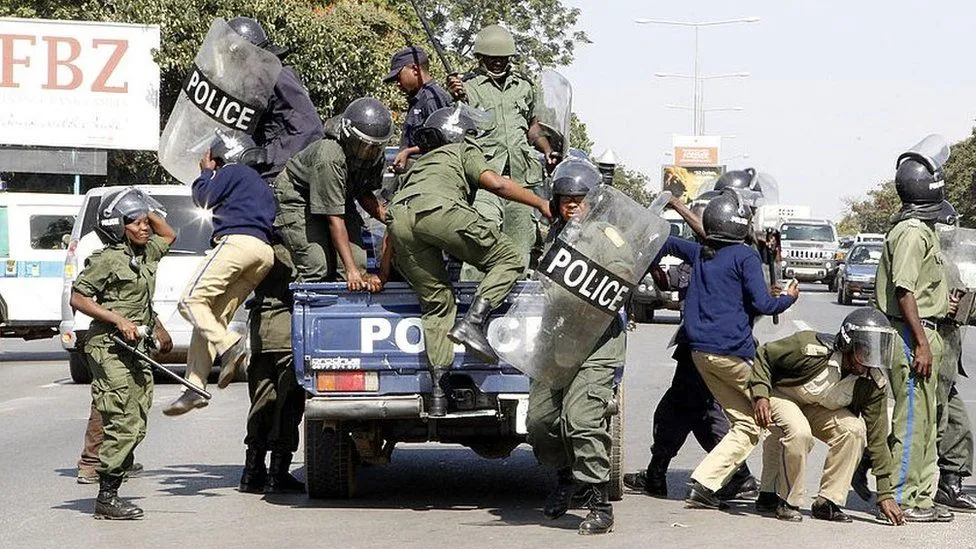
The Government is taking a different line. Chief Government Spokesperson Mr Elvis Nkandu questioned why some civil society organisations were staging protests against members of the public who are canvassing Parliament to remove the presidential term limit. He noted that President Hichilema and the UPND had taken no stand either way.
Mr Nkandu, who is also Information and Media Minister, said it was unreasonable for the organisations to mobilise protests over a matter that neither the Head of State nor the ruling party’s leadership had proposed. He said discussion of the term limit should be allowed to continue, because freedom of expression gave every citizen the right to speak without intimidation or interference.
He said it would be undemocratic to let organisations opposed to removing the limit express themselves freely while those holding the opposite view were denied the same space. Democracy, he said, required tolerance and respect for different opinions.
Mr Nkandu said the President was not preoccupied with talk of removing the term limit. He said the Head of State remained focused on creating jobs, reducing the cost of living and increasing electricity generation to prevent power shortages. The Government, he said, was more concerned with tackling those challenges than with speculation about the President’s political direction.
Opposition voices are not convinced. Leadership Movement (LM) president Dr Richard Silumbe said Zambians were spending too much time fighting each other over politics while foreign interests mined the country’s resources and financed unpopular agendas, among them a limitless presidential term.
For now, President Hichilema has not personally addressed Mr Lubinda’s challenge, and the term-limit petitions remain before Parliament.


Community Feedback