
Kwacha fall fuels rise in bad loans – Expert

Breaking News Zambia
NewsAccording to the Bank of Zambia Financial […]
According to the Bank of Zambia Financial Stability Report, the quality of banks’ credit portfolios has remained strong despite an increase in the share of Non-Performing Loans, foreign currency-denominated loans, and large exposures.
Further, the Non-Performing Loans ratio rose marginally to 2.8% as the stock of NPLs increased slightly faster than total loans, with the share of foreign currency-denominated exposures in total credit rising by 3.8 percentage points to 42.1%, outpacing local currency loans.
The depreciation of the Kwacha, limited foreign exchange supply and reduced business activity have contributed to the challenges faced by businesses in meeting their loan repayment obligations, resulting in an increase in non-performing loans (NPLs).
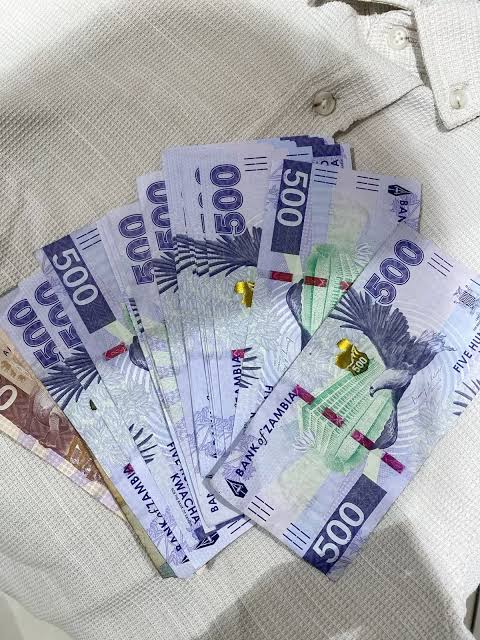
Speaking in an interview with Zambian Business Times- ZBT, Economic Expert, Kelvin Chisanga noted that developments in the foreign exchange market have, to some extent, contributed to the rise in non-performing loans, with the Kwacha recording a depreciation of 19.1% since around June.
“The dislocation that has taken place in the forex market has, in some way, contributed to the rise in non-performing loans because, starting from somewhere around June to date, we are talking about a 19.1 percent depreciation of the Kwacha,” said Chisanga.
He added that the Bank of Zambia’s monetary policy adjustments, including a 2.5% reduction in the Monetary Policy Rate (MPR), had contributed to increased demand for the US dollar.
“What we are seeing on the market is a mismatch between how the dollar is coming into the market and the increasing demand for it, as there is currently limited supply of the dollar on the market, which is one of the reasons why the Kwacha is depreciating,” said Chisanga.
He explained that servicing loans denominated in US dollars has become more expensive due to the depreciation of the Kwacha, placing additional pressure on borrowers and making it more difficult for some businesses to meet their repayment obligations.
The expert further noted that demand for the US dollar is being driven by importers, particularly as the country approaches the festive season.
“Due to the increase in demand for the US dollar, there is pressure on the cost of accessing it, especially with the government, on the other side, trying to manage inflation and debt restructuring, which are competing interests that the market is not able to fully understand in terms of how the dollar should settle in these circumstances,” said Chisanga.
He also mentioned that reduced business activity across the economy is affecting the ability of companies to service their loans.
Chisanga explained that limited business activity, particularly among companies involved in export-related businesses, has affected their ability to generate sufficient revenue to meet their debt obligations.
“What is being experienced now is low business activity in terms of the balance of trade, and that is one of the reasons why most companies in the private sector, particularly those involved in export businesses, are failing to meet their debt obligations,” he said.
Chisanga further noted that Zambia’s export performance had weakened, despite the expectation that both traditional and non-traditional exports would play a bigger role in supporting economic activity.
By Justine Phiri





Community Feedback