

K212bn for Debt, K63bn for Social Benefits: CSPR Warns as IMF Talks Open

Breaking News Zambia
LifestyleThe Civil Society for Poverty Reduction (CSPR) warned Government that debt repayments could undermine the fight against poverty. Zambia has begun negotiations with the International Monetary Fund (IMF) on a successor programme, and the organisation wants social spending and…
The Civil Society for Poverty Reduction (CSPR) warned Government that debt repayments could undermine the fight against poverty. Zambia has begun negotiations with the International Monetary Fund (IMF) on a successor programme, and the organisation wants social spending and productive investment protected in it.
Government’s own figures show the scale of the pressure. The 2027–2029 Medium-Term Budget Plan provides K212.2 billion for debt service payments against K63.2 billion for social benefits over the same period. That is more than three kwacha to creditors for every kwacha set aside for social benefits.
The talks are now under way. Minister of Finance and National Planning Situmbeko Musokotwane met IMF Chief of Mission in Zambia Edward Gemayel and Bank of Zambia Governor Dr Denny Kalyalya at the ministry in Lusaka on Friday for an IMF-Government staff-level agreement meeting.
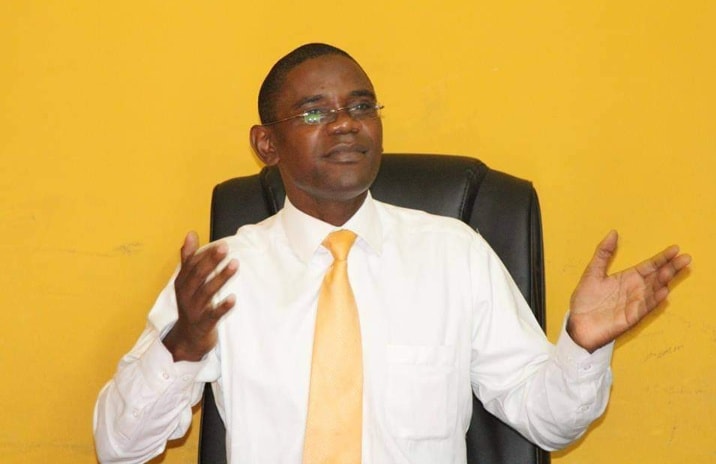
CSPR Executive Director Ms Isabel Mukelabai welcomed the start of negotiations in a statement. She said the previous IMF-supported programme had helped restore macroeconomic stability, strengthen reserves and support progress on debt restructuring. Those gains, she said, now had to reach households.
“Stability must now translate into broad-based economic recovery, decent employment, improved household incomes and measurable poverty reduction,” Ms Mukelabai said.
She said the successor programme should not protect fiscal targets at the expense of vulnerable households. She named the programmes most at risk when budgets tighten and asked Government to stop treating them as optional.
“Social cash transfers, the Food Security Pack, school feeding, public welfare assistance and child-focused interventions must be treated as essential investments rather than residual expenditures,” she said.
Her sharpest warning concerned the terms of the debt restructuring itself. Ms Mukelabai said the agreement contains an adjustment mechanism tied to Zambia’s debt-carrying capacity. If that capacity improves from weak to medium, repayments could accelerate, final maturities could shorten by five years and interest rates could rise.
Economic recovery could therefore increase the debt burden rather than ease it. Ms Mukelabai said the gains from a stronger economy should go towards people rather than creditors.
“Improved growth should support poverty reduction and economic transformation, rather than simply bringing forward debt repayments,” she said.
CSPR wants the successor programme to include prudent fiscal rules, transparent debt-service planning and safeguards for citizens’ welfare. The organisation also asked Government for an updated and comprehensive account of Zambia’s outstanding external debt.
Ms Mukelabai noted that the Medium-Term Budget Plan indicates agreements in principle have been reached for 94 per cent of the debt covered under the external debt restructuring framework. She said the public needed a full picture of what remains.
Revenue was the other front in the statement. Government’s proposals include broadening the tax base, introducing property taxation and bringing informal businesses and artisanal miners into the tax system. Ms Mukelabai said these measures must not place a disproportionate burden on low-income households and small traders.
She called for simplified tax compliance procedures and transparency on tax expenditures. She also called for measures to ensure that large and profitable businesses, including multinational mining companies, make an equitable contribution to national revenue.
CSPR wants the IMF deal aligned with Zambia’s Ninth National Development Plan and Government’s Grow Zambia Agenda. Ms Mukelabai said the programme should carry clear commitments to social spending, employment creation, climate resilience and the protection of productive public investment.
Those demands now go into a negotiation process whose first formal round took place on Friday. The terms agreed will decide how the K212.2 billion debt bill is balanced against the needs of households over the next three years.




Community Feedback