

Is Zambia Under A State Of Emergency? Changala Demands Answers On Political Detainees

Breaking News Zambia
Local NewsCivil rights activist Brebner Changala has demanded that the State tell the nation plainly whether Zambia is under a state of emergency. He said the continued detention of citizens who have not been taken to court has left many Zambians asking whether their constitutional…
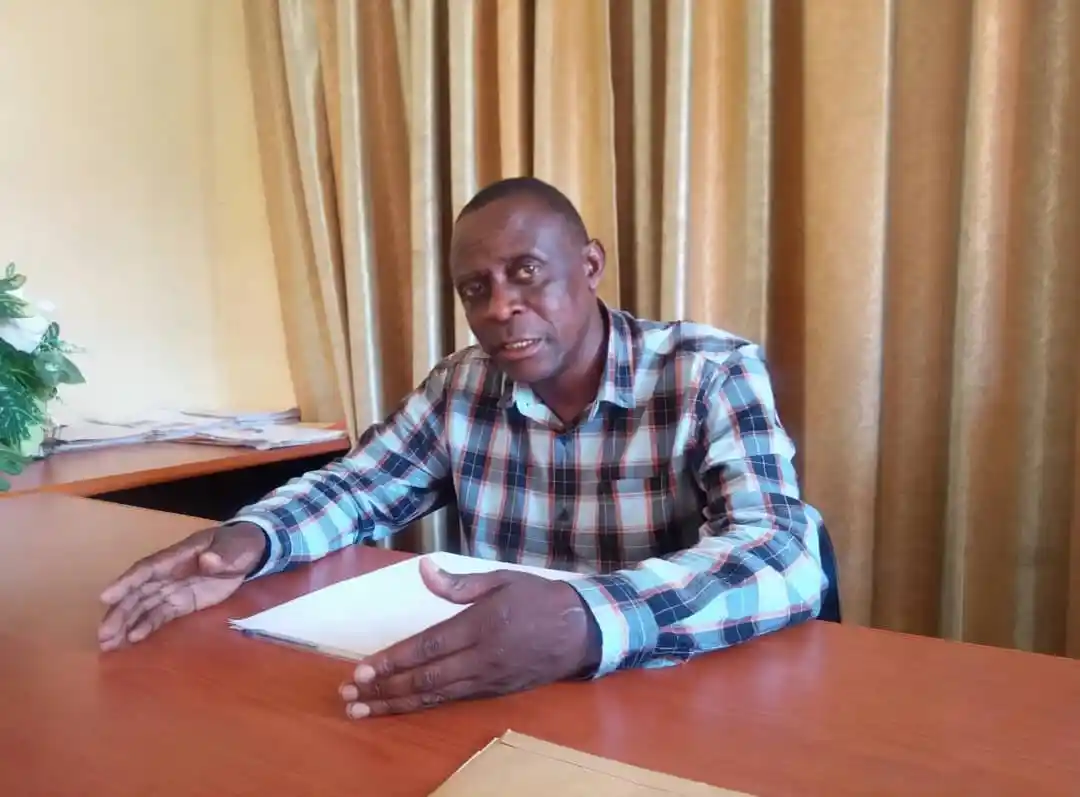
Civil rights activist Brebner Changala has demanded that the State tell the nation plainly whether Zambia is under a state of emergency. He said the continued detention of citizens who have not been taken to court has left many Zambians asking whether their constitutional rights are still guaranteed. Mr Changala also appealed to the Human Rights Commission (HRC) to be brave and press the State for answers on the status and whereabouts of all political detainees, particularly those facing sedition charges. He warned that official silence was only feeding speculation and wearing down public confidence in the national justice system.
Putting the question to Government in the plainest terms, Mr Changala said the nation deserved a straight answer.
“The State should clarify to the nation if at all Zambia is under a State of Emergency,” he said.
The activist wants the HRC to put three basic questions to the State: where the political detainees are being held, what their legal status is, and why they are being held at all. He pointed to the case of former Petauke Central Member of Parliament Emmanuel Jay Banda, whose lawyers have filed a writ of habeas corpus challenging his continued detention. Mr Changala said the case had raised serious questions about the rule of law in Zambia. Zambia Police confirmed on 16 October that Mr Banda, who had been on the run, was back in the country and would be formally charged.
Mr Changala explained the legal principle at the centre of his demand. He said habeas corpus exists to prevent the State from holding a person without justification. Under that remedy, the State has a duty to bring a detained person before a court and explain the legal basis for keeping him or her in custody. That duty, he argued, cannot be set aside however serious the allegations against a suspect may be.
On how far the State’s powers of detention go, Mr Changala was blunt.
“The Constitution does not allow indefinite detention,” he said.
He said that if the country was not under a state of emergency, then every detention should follow the law. In that case, all citizens should enjoy the freedoms guaranteed under the Constitution, including the right to liberty, freedom of movement and freedom from arbitrary detention. Mr Changala said Zambians needed to know which of the two situations they were living under. For him, the absence of an answer has become a matter of national concern in its own right.
He then posed the question he says ordinary citizens are now asking among themselves.
“Are we still a democracy governed by the Constitution, or are we operating under emergency powers that have not been declared?” Mr Changala asked.
The activist named the offices he believes owe the country an explanation. He urged the Office of the Attorney General, the Minister of Home Affairs and the Inspector General of Police to issue a clear public statement on the matter. Mr Changala also turned to the Judiciary, urging the courts to act swiftly on habeas corpus applications. Delayed justice in such matters, he said, amounted to a denial of freedom.
Mr Banda’s lawyer, Kambwa Aongola, who is handling the habeas corpus application, had promised to comment but had not done so by publication.
The question of how citizens hold power to account also drew comment from political analyst Dr Lawrence Mwelwa, who urged Zambians to stop treating political leaders as messiahs. Dr Mwelwa said the country was being held back by political messianism and hero worship, in which supporters defend every statement simply because it comes from their preferred leader. He warned that patriotism should not be mistaken for blind loyalty, and that a nation which worships its leaders loses the ability to hold them accountable.
Setting out his position in three short lines, Dr Mwelwa drew a firm boundary between citizenship and devotion.
“Political leaders are not messiahs. Politics is not a religion. Patriotism is not blind loyalty to politicians,” he said.
Dr Mwelwa said asking difficult questions was not rebellion but a sign of responsible citizenship. That is the same ground on which Mr Changala has now placed his demand: the State must say, on the record, whether the country is still living under the ordinary protections of the Constitution.

Community Feedback