

Irish Echo Puts Bishop Mwamba’s Detention And Zambia’s Post-Election Arrests Before Its Readers

Breaking News Zambia
Local NewsThe detention of United National Independence Party (UNIP) leader Bishop Trevor Mwamba has drawn the attention of the Irish Echo. The Irish-American newspaper published a column by Mr Peter McDermott under the headline “Concern for arrested leaders”, charting the international…
The detention of United National Independence Party (UNIP) leader Bishop Trevor Mwamba has drawn the attention of the Irish Echo. The Irish-American newspaper published a column by Mr Peter McDermott under the headline “Concern for arrested leaders”, charting the international reaction to the arrests that followed Zambia’s August elections.
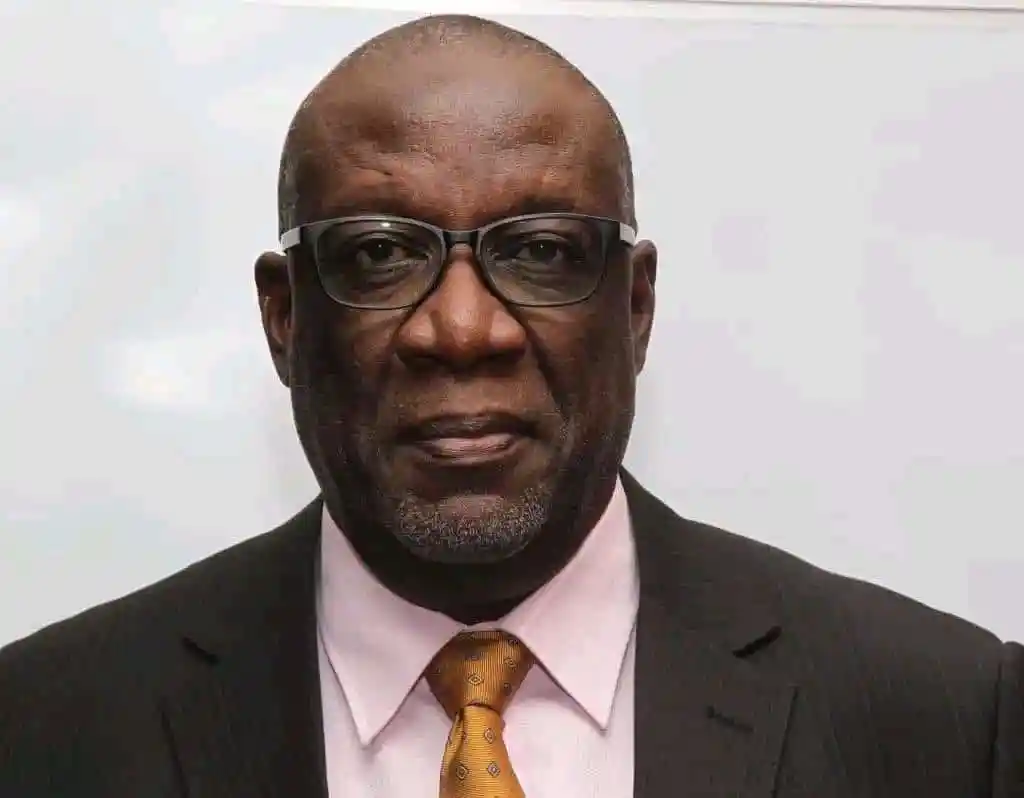
The 68-year-old former Anglican Bishop of Botswana leads the party long associated with founding President Dr Kenneth Kaunda. His wife, Mrs Mmasekgoa Masire-Mwamba, is a former Botswana diplomat and former Commonwealth Deputy Secretary-General.
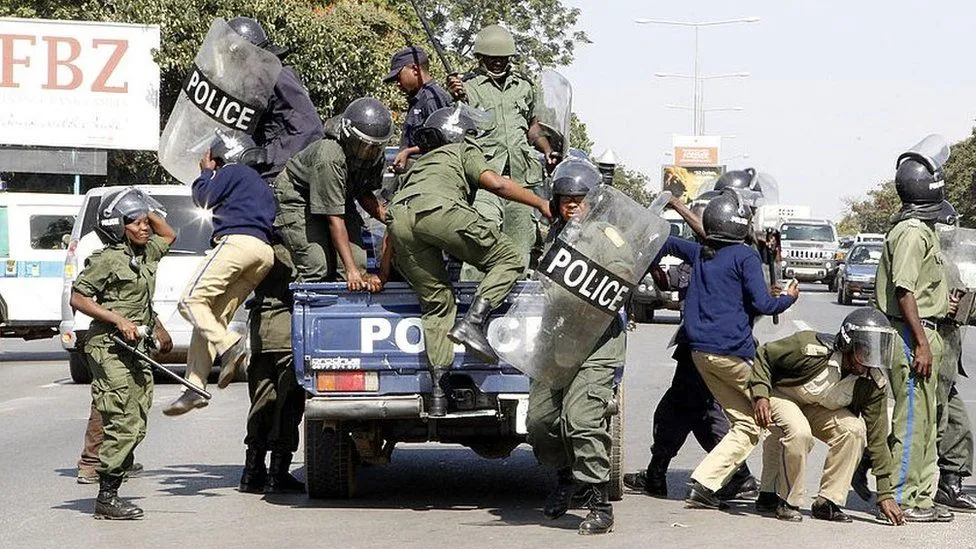
His troubles began on 14 August, the day after the polls that returned President Hakainde Hichilema to office. Security forces carried out an operation at the Lusaka residence of opposition presidential candidate Mr Brian Mundubile, in which former Cabinet minister Mr Mutotwe Kafwaya was believed killed.
For the bishop’s family, the hours that followed were frightening. His siblings, among them author and journalist Mr Jay Mwamba, a longtime Irish Echo colleague, announced on social media that he was missing. It was 48 hours before they learned he was unharmed.
Bishop Mwamba, Mr Mundubile and 16 others, members of a diverse electoral coalition opposed to the President, have remained in detention since. Their families and supporters dismiss accusations that they were involved in militia activity as nonsense.
The case soon reached London. On 1 September, a Liberal Democrat life peer submitted a written question in the UK Parliament asking about the bishop’s detention in his native country.
The government of British Prime Minister Mr Andy Burnham replied on 15 September that its High Commission in Lusaka had been closely following developments through the electoral period and beyond, including recent detentions.
“We understand the case is currently under consideration by the Zambian courts,” the reply said. London added that the Foreign, Commonwealth and Development Office had pressed on the Zambian Government and other stakeholders “the importance of transparency and following due process on all issues”.
Two days later, Strasbourg weighed in. Members of the European Parliament, which regards Zambia as an ally and a beacon of stability, discussed human rights abuses in Zambia alongside Cuba and Hong Kong. Particular concern centred on Mr Kafwaya’s death, a case also taken up by Amnesty International.
While noting the close relationship between the EU and Zambia, MEPs called for independent and impartial investigations into Mr Kafwaya’s killing. They also wanted investigations into all allegations of illegal use of force, arbitrary arrests and intimidation in the country.
The resolution denounced what it called the misuse of Zambia’s national security laws and criminal justice system, and recalled that security operations must be proportionate and in line with the rule of law. It passed by 562 votes in favour, one against and 33 abstentions.
The Zambian Government rejected that position. The Ministry of Foreign Affairs responded two days after the vote, describing the concern as premature and calling for dialogue with the EU.
Concern has also come from the United Nations. UN High Commissioner for Human Rights Mr Volker Türk expressed concern over arrests and detentions after the elections. UN Special Rapporteur Ms Gina Romero warned against restrictions on civic freedoms and the criminalisation of political dissent.
Last week brought the final verdict of the EU Election Observation Mission. Led by Irish MEP Mr Michael McNamara, the 100-member team from 26 EU countries, Norway and Canada was in Zambia from 29 June to 1 September.
The mission praised aspects of the basic machinery of the election. But it found that late legal changes and unequal campaign conditions created uncertainty and “distorted the playing field”, while a suspension of counting and the subsequent closure of courts limited transparency and access to justice.
Supporters of the detainees point to another measure. On the 2026 World Justice Project Rule of Law Index, Zambia’s score has continued to trend downwards under the Hichilema administration, leaving the country ranked 108th out of 143.
At the centre of the Irish Echo piece is the bishop himself, drawn from a profile published on 7 November by Pan African Visions. Its founder and managing editor, Mr Ajong Mbapndah L., describes a man who has built his public life “around faith, compassion, dialogue and the convictions that politics should serve people rather than divide them”.
Bishop Mwamba took over UNIP’s leadership in April 2021 from Mr Tilyenji Kaunda, a son of the founding President, and has sought to revive Dr Kaunda’s tradition of humanism, national unity and peaceful coexistence.
He has often drawn inspiration from Dr Kaunda, Mr Nelson Mandela and Archbishop Desmond Tutu. He has long held that political differences should never become a justification for hatred, and that leaders must remain accountable to the people they serve.
His arrest and continued detention have drawn concern from religious leaders, international human rights organisations and political figures abroad.
Bishop Mwamba, Mr Mundubile and the other detainees remain in custody. Their constitutional bail application opened before a three-judge panel of the Lusaka High Court on Wednesday


Community Feedback