
IMF says Zambia strengthening defenses against climate shocks

Breaking News Zambia
NewsZAMBIA is getting better at protecting its public finances from climate shocks, the International Monetary Fund said in a report released in October. The IMF cited improvements in fiscal risk disclosure, coordination among institutions and the government’s ability to assess the economic costs of droughts, floods and extreme weather. Finance Minister Situmbeko Musokotwane said Zambia
Audio article Listen to this story Share Send this storyZAMBIA is getting better at protecting its public finances from climate shocks, the International Monetary Fund said in a report released in October.
The IMF cited improvements in fiscal risk disclosure, coordination among institutions and the government’s ability to assess the economic costs of droughts, floods and extreme weather.
Finance Minister Situmbeko Musokotwane said Zambia must strengthen those protections as it moves from stabilization to growth.
“By anticipating risks, diversifying energy sources, and safeguarding public finances, we are strengthening the foundations for productive investment, job creation, and lasting national prosperity,” Musokotwane said.
The IMF pointed to Zambia’s first Fiscal Risk Statement, published with the 2025 National Budget, as a major step toward transparency. The 2026 statement went further, adding a climate fiscal risk register covering agriculture, power generation, mining, infrastructure, revenue and spending.
The report also said Zambia is improving its ability to quantify climate risks, following an IMF mission to Lusaka from June 24 to July 3. Officials used the Quantitative Climate Risk Assessment Fiscal Tool, or Q-CRAFT, to test how different climate scenarios could affect growth, revenue, spending, debt and long-term fiscal sustainability.
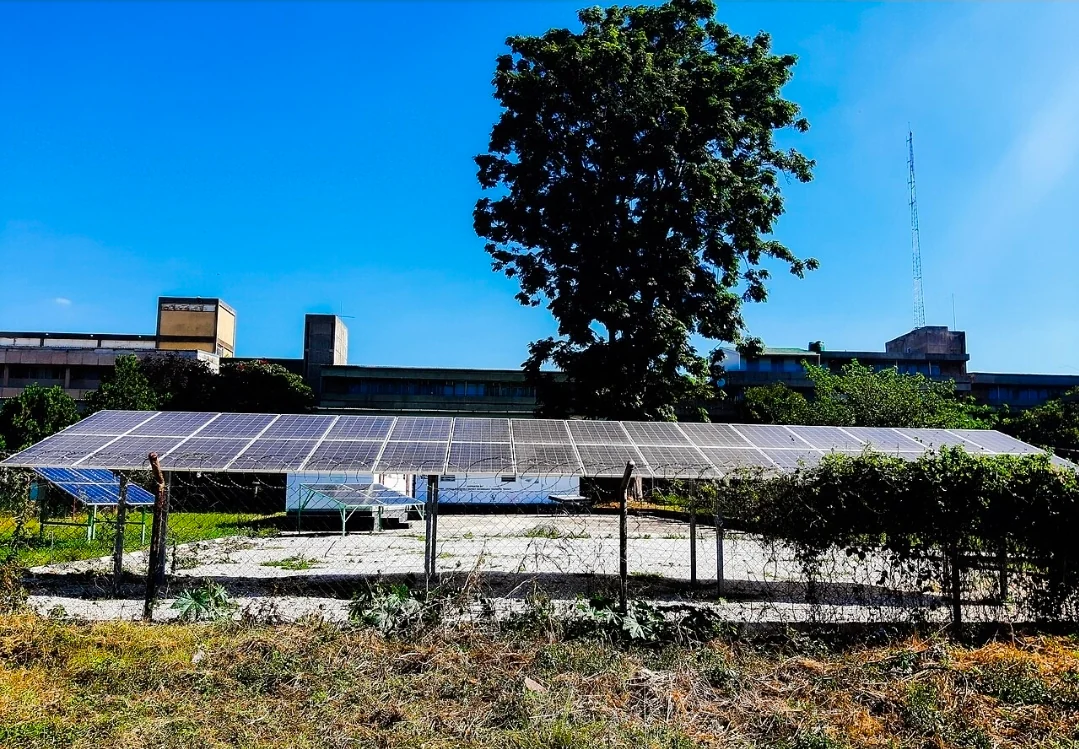
The IMF welcomed Zambia’s push to diversify energy away from hydropower, which provides about 80% of installed generation capacity, through new solar and wind projects.
It cited the 2023-2024 drought, when maize production fell 54% and power cuts reached 23 hours a day, as a reminder of the stakes. Drought-related spending equaled about 1% of GDP in 2024 and 0.3% in 2025.
The IMF urged Zambia to publish its first quantified climate-related fiscal risk assessment by October 2027, improve drought-impact analysis and extend coverage to floods and storms by October 2028.
Your reaction
Have your say
Everyone is welcome. No account or email needed.
Comments 0
Be the first to start the conversation.



Community Feedback