

Higher copper prices present opportunity for restructured government ministries

Breaking News Zambia
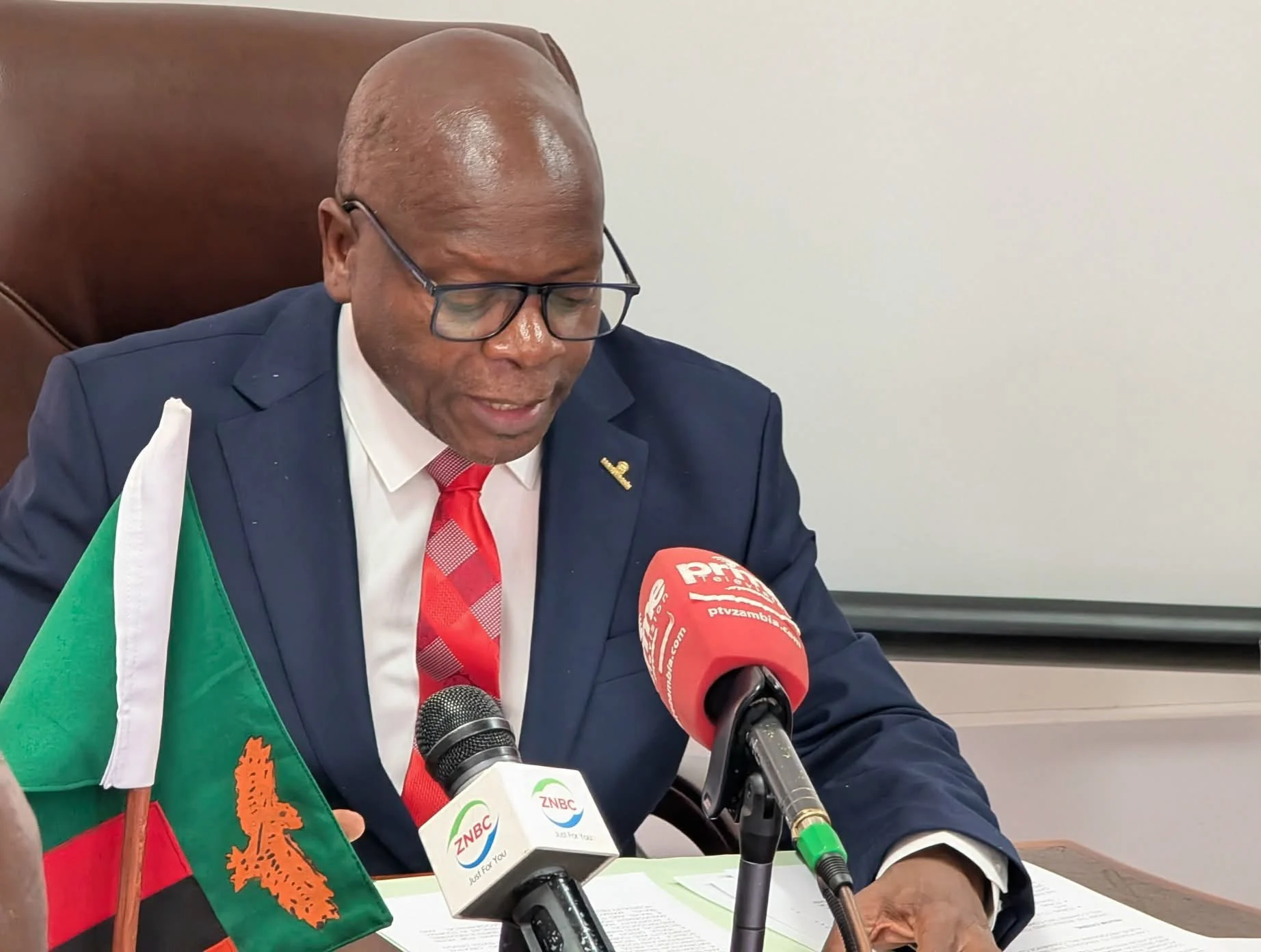
BusinessMinistry of Information and Media Director Spokesperson, Henry Kapata, says the World Bank’s projection that copper prices will average US$13,000 per tonne in 2027 presents an opportunity for Zambia. Mr Kapata says the World Bank’s projection also puts the country’s production…
Ministry of Information and Media Director Spokesperson, Henry Kapata, says the World Bank’s projection that copper prices will average US$13,000 per tonne in 2027 presents an opportunity for Zambia.
Mr Kapata says the World Bank’s projection also puts the country’s production ambitions into perspective.
He says with a target of producing 3 million metric tonnes of copper annually by 2031, Zambia must expand its mining capacity, secure reliable electricity and strengthen its ability to turn mineral wealth into jobs, exports and revenue.
Mr Kapata has told the media business news that the World Bank has raised its 2027 copper price forecast by 18 per cent, reflecting expectations of sustained demand
driven by electricity networks, electric vehicles, data centres and other technologies.
Mr Kapata says Copper prices are projected to average US$13,200 per tonne in 2026 before settling at around US$13,000 per tonne in 2027.
For the Republic of Zambia, these projections come at an important time as President Hakainde Hichilema moves to restructure Government ministries to strengthen the implementation of national development priorities.
Mr Kapata noted that the restructuring creates an opportunity for more focused institutions to drive key sectors of the economy.
“The newly established Ministry of Electricity, Ministry of Petroleum, Ministry of Trade and Exports, and Ministry of Industry provide a more defined institutional framework for addressing some of the challenges affecting production, energy security, trade and industrial development, “he said.
Mr Kapata stated that the connection between copper production and electricity is particularly important.
He says achieving annual copper production of 3 million metric tonnes will require substantial investment in mining operations, processing facilities and supporting infrastructure saying these activities depend on reliable and affordable electricity.
Mr Kapata added that the creation of a dedicated Ministry of Electricity therefore provides an opportunity to give greater attention to power generation, transmission, distribution and regional electricity trade.
” As electricity generation expands towards the Government’s 10,000-megawatt target, the country will be better positioned to support mining and industrial activity while also exploring opportunities to export surplus power to regional markets,” says Mr Kapata.
Mr Kapata further stated that electricity can therefore, become an important economic sector in its own right, supporting domestic production, attracting investment and generating export earnings.
He explained that the benefits of higher copper prices also extend beyond the mining sector, increased global demand and favorable prices provide an opportunity to expand mineral production, strengthen exploration and develop local processing capacity.

Community Feedback