
Govt officials create ghost farmers to steal FISP – Expert

Breaking News Zambia
NewsThe Farmer Input Support Program (FISP) is […]
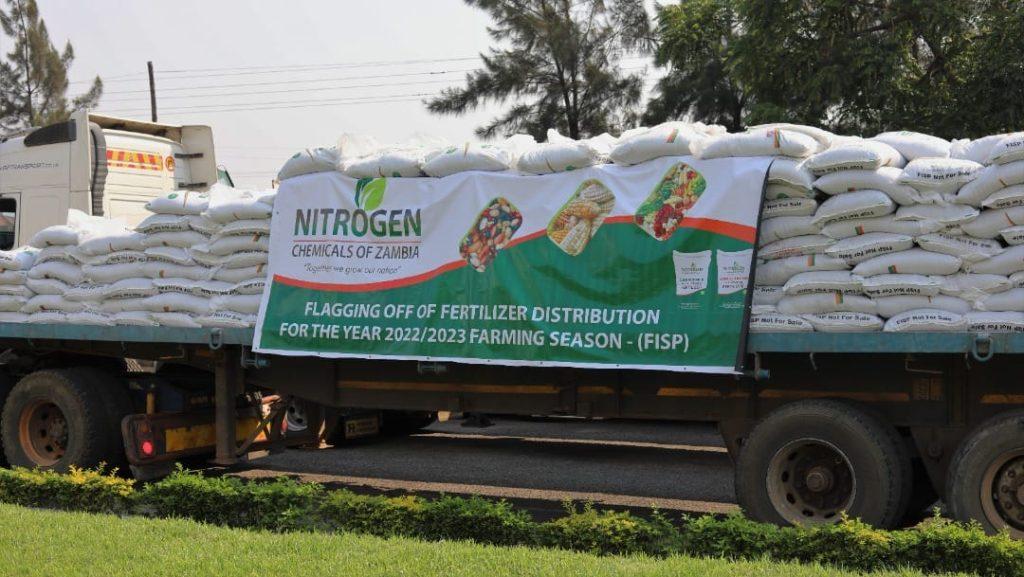
The Farmer Input Support Program (FISP) is once again under scrutiny after the Auditor General uncovered a network of ghost farmers thriving within its beneficiary register.
According to information seen by the Zambian Business Times (ZBT) from the 2025 Auditor general’s report, indicates that contrary to the Farmer Input Support Programme (FISP) Electronic Voucher Implementation Handbook guidelines, 2,339 farmers whose details could not be traced on the authorized national farmer register redeemed inputs worth K19,647,400.
A further review shows that the irregular redemptions were concentrated in Muchinga and Luapula provinces, with Isoka recording the largest share at 1,343 farmers who accessed inputs worth K11,281,200 with Mpika accounting for another 995 unapproved farmers who redeemed inputs worth K8,358,000, while Mansa recorded one farmer who accessed K8,200 worth of inputs.
Meanwhile, speaking in an interview with Zambian Business Times-ZBT, Agriculture expert, Gilbert Banda has stated that some officials responsible for administering FISP are creating ghost farmers to divert public resources meant for vulnerable small-scale farmers.
Banda said the redemption of about K19 million in farming inputs by ghost beneficiaries reflects persistent weaknesses in the program’s administration.
“FISP has always had many challenges, and every year we continue to experience these problems, so the issue of ghost farmers is not new because they are created by people within the system who are responsible for administering the programme,” he said.
Banda added that the diversion of inputs to ghost beneficiaries deprives genuine farmers of support while raising questions about whether those responsible for creating the fictitious records are benefiting from the irregularities.
“When such huge amounts of money go to ghost farmers, it means the people within the system who create these beneficiaries could be benefiting instead of the genuine farmers who are supposed to receive the inputs,” he said.
Banda further explained that Zambia should be able to reduce such irregularities by embracing digital systems, pointing to the potential of technology to improve beneficiary verification and strengthen accountability in public programs.
He urged the Ministry of Agriculture to strengthen the digital management of FISP and ensure that beneficiary records are properly verified, updated, and monitored to prevent ineligible individuals from accessing farming inputs.
“With digitisation, I do not think we should continue experiencing these errors because the people responsible for managing FISP need to improve their performance and ensure that the program is administered properly,” said Banda.
He described the reported irregularities as a setback to national development, warning that diverting farming inputs from their intended beneficiaries undermines efforts to strengthen smallscale agriculture and achieve the objectives of the Grow Zambia Agenda.
“It is sad that the government wants small-scale farmers to benefit from these programmes, yet the people entrusted with managing them allow such huge amounts of money to be diverted, because that takes resources away from our development process,” said Banda.
Article by Philip Sinkala




Community Feedback