
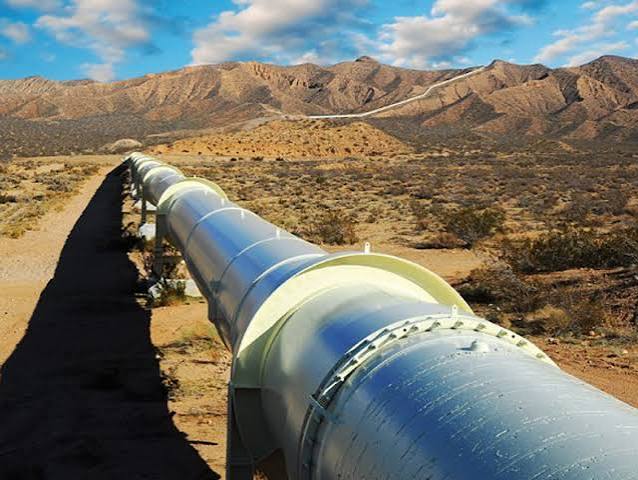
Fuel pipeline extension set to block local players

Breaking News Zambia
NewsA major concern has emerged in Zambia’s […]
A major concern has emerged in Zambia’s fuel sector following the presentation of the 2027 National Budget and the announcement of plans to extend the fuel pipeline over the next three years, a development that has left many industry players questioning the future direction of the country’s fuel supply system.
In an interview with the Zambian Business Times, industry players have raised serious questions about who will ultimately control the pipeline, who will be allowed to participate in the business, and what this will mean for Zambian participation in a strategic national asset that touches every household, every business, and every sector of the economy.
Stakeholders have explained that Zambian players have been kicked out of the fuel pipeline without any formal government plan to bring them back.
They added that Zambia’s national consumption for diesel lingers around one million litres plus or minus, a demand that the current pipeline infrastructure is already able to sustain on a monthly basis.
Despite this, government has announced plans to extend the pipeline to bring in petrol over the next three years, a move industry players say will simply block all other players from participating in the sector.
They further indicated that government has not highlighted any clear policy framework that speaks to how it intends to give leverage to local content in the pipeline business.
From where the stakeholders are standing, this omission is not an accident but a deliberate sidelining, because local Zambian companies that once participated in fuel supply have been pushed out while foreign majors consolidate control.
They have questioned whether the Minister intends to review the open access policy framework, which it describes as a weaponized approach by the majors to control supplies and lock out smaller local players.
Stakeholders have argued that going back to a tender framework, where tenders are floated without local protection, does not create competition but entrenches monopoly.
They are demanding that government publishes a clear local content policy for the pipeline, review the open access framework, and state in plain terms how Zambians will be resuscitated in the fuel supply chain.
By Philip Sinkala




Community Feedback