
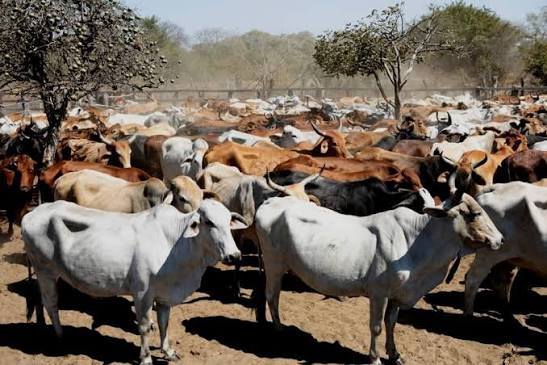
Farmers should respond to cattle like they respond to maize – LCU

Breaking News Zambia
NewsLivingstone Cooperatives Union (LCU) has urged farmers […]
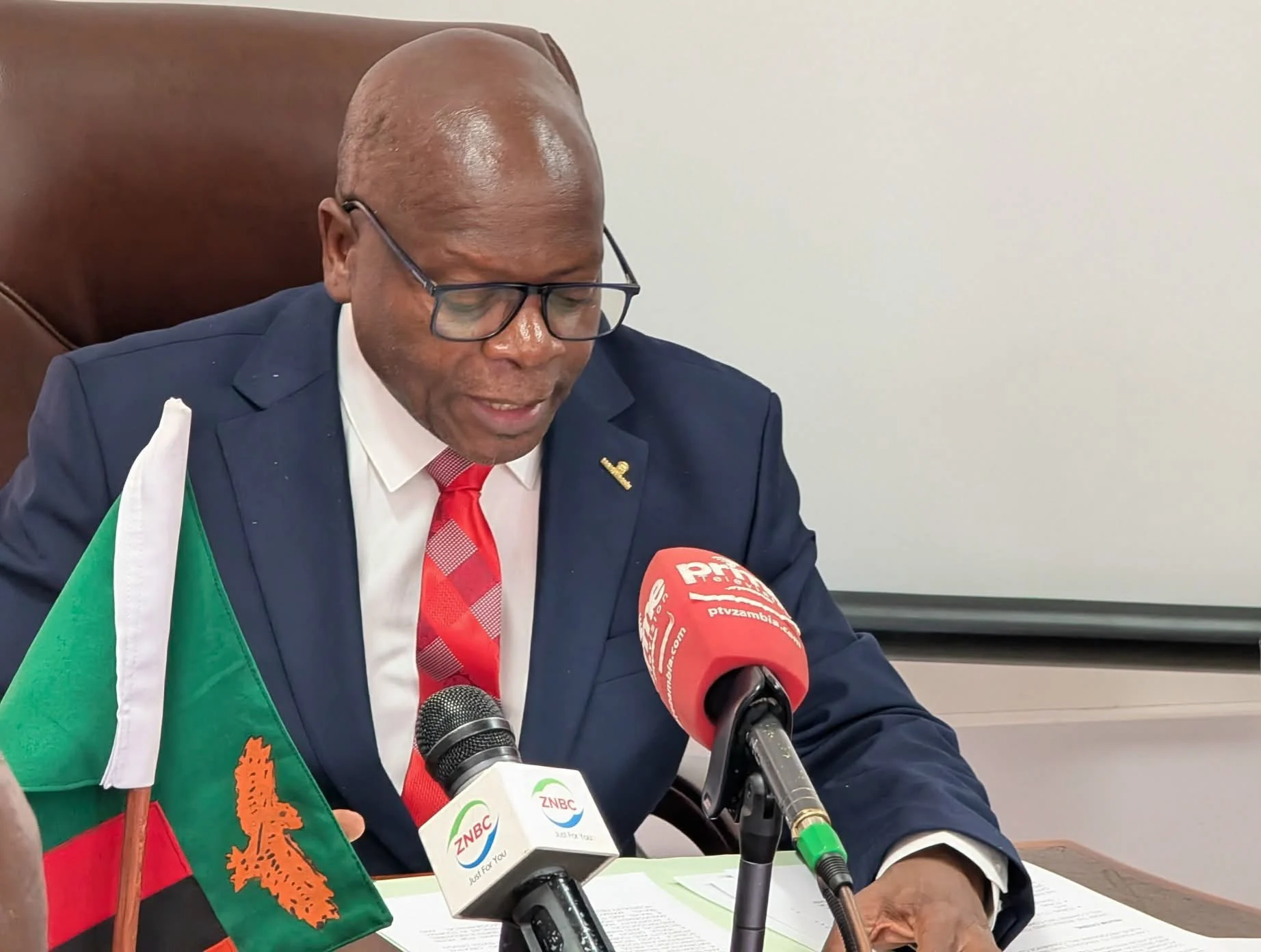
Livingstone Cooperatives Union (LCU) has urged farmers to embrace modern livestock farming and respond to cattle production with the same commitment they show towards maize growing if Zambia is to achieve its target of increasing the national cattle herd to 11 million.
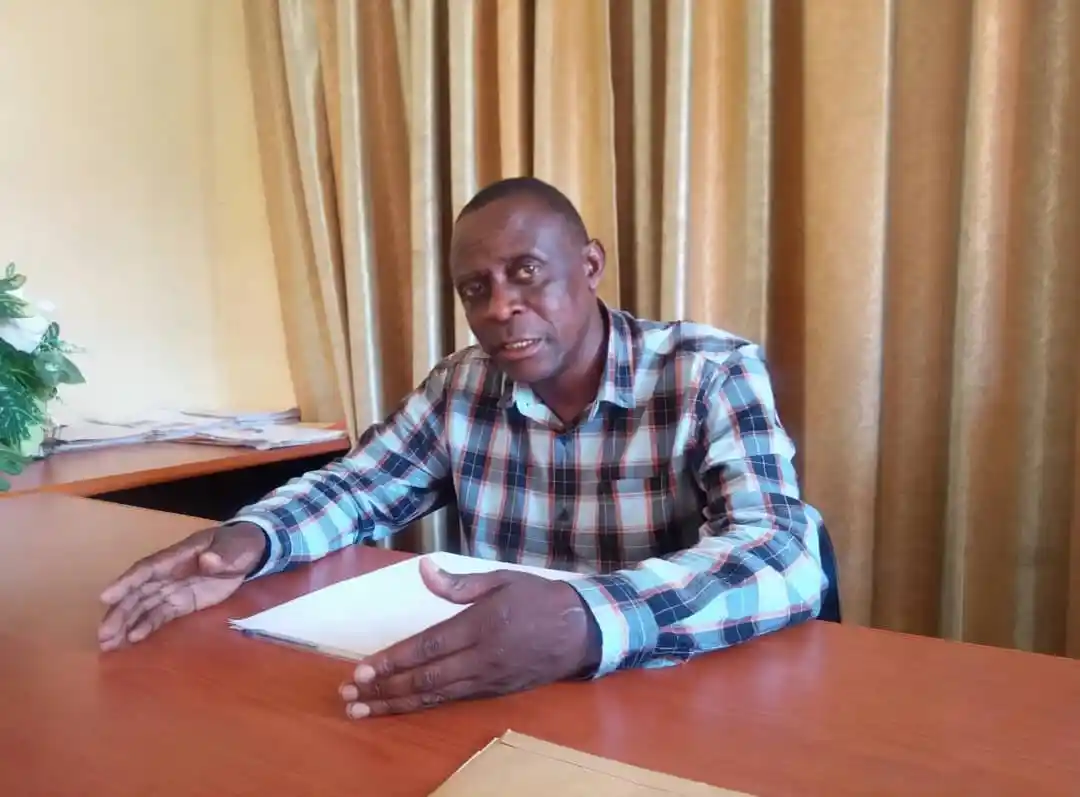
Speaking in an interview with Zambian Business Times-ZBT, LCU Chairperson, Rwinick Mapanza said improved breeding methods, artificial insemination and better animal management are key to increasing cattle numbers and improving meat production.
Mapanza explained that artificial insemination offers farmers an opportunity to multiply their herds within a few years while improving the quality and value of the animals they produce. “The most important thing trending on the market is artificial insemination because, with this method, you can double your herd within three, four or five years,” he said.
Mapanza said farmers need to identify animals that are ready for breeding and use improved breeding techniques to produce stronger cattle capable of delivering higher meat yields. He added that Zambia also needs to move beyond relying mainly on indigenous cattle, which he said generally produce lower meat weights than improved breeds.
“Our indigenous animals can reach a maximum of about 250 kilogrammes, while we need breeds that can give us between 350 and 400 kilogrammes of meat, and that can only come through the use of technology such as artificial insemination,” said Mapanza.
He stressed that achieving the 11 million cattle target requires more than increasing animal numbers, as farmers must also improve pasture, feeding systems and the availability of water to ensure livestock grow and reproduce effectively.
Mapanza said both small-scale and commercial farmers can benefit from modern livestock technologies if they understand the technical requirements and follow proper animal management practices.
He urged farmers to work closely with the Ministry of Livestock instead of operating independently, saying proper guidance and monitoring are essential to achieving the national target.
“Farmers must accept that this programme is there and gear up just like the way people respond to maize growing so let them respond to cattle production and work with the Ministry of Livestock so that the required guidance and monitoring are followed,” said Mapanza.
Article by Philip Sinkala

Community Feedback