

EU Offers To Back National Dialogue And Reconciliation, Presses Government On Access To Justice

Breaking News Zambia
Top StoriesThe European Union (EU) has offered to support a nationally led dialogue and reconciliation process in Zambia. It also told Government it remains concerned about access to justice, civic space and respect for fundamental freedoms following the August elections. The offer was made…
The European Union (EU) has offered to support a nationally led dialogue and reconciliation process in Zambia. It also told Government it remains concerned about access to justice, civic space and respect for fundamental freedoms following the August elections.
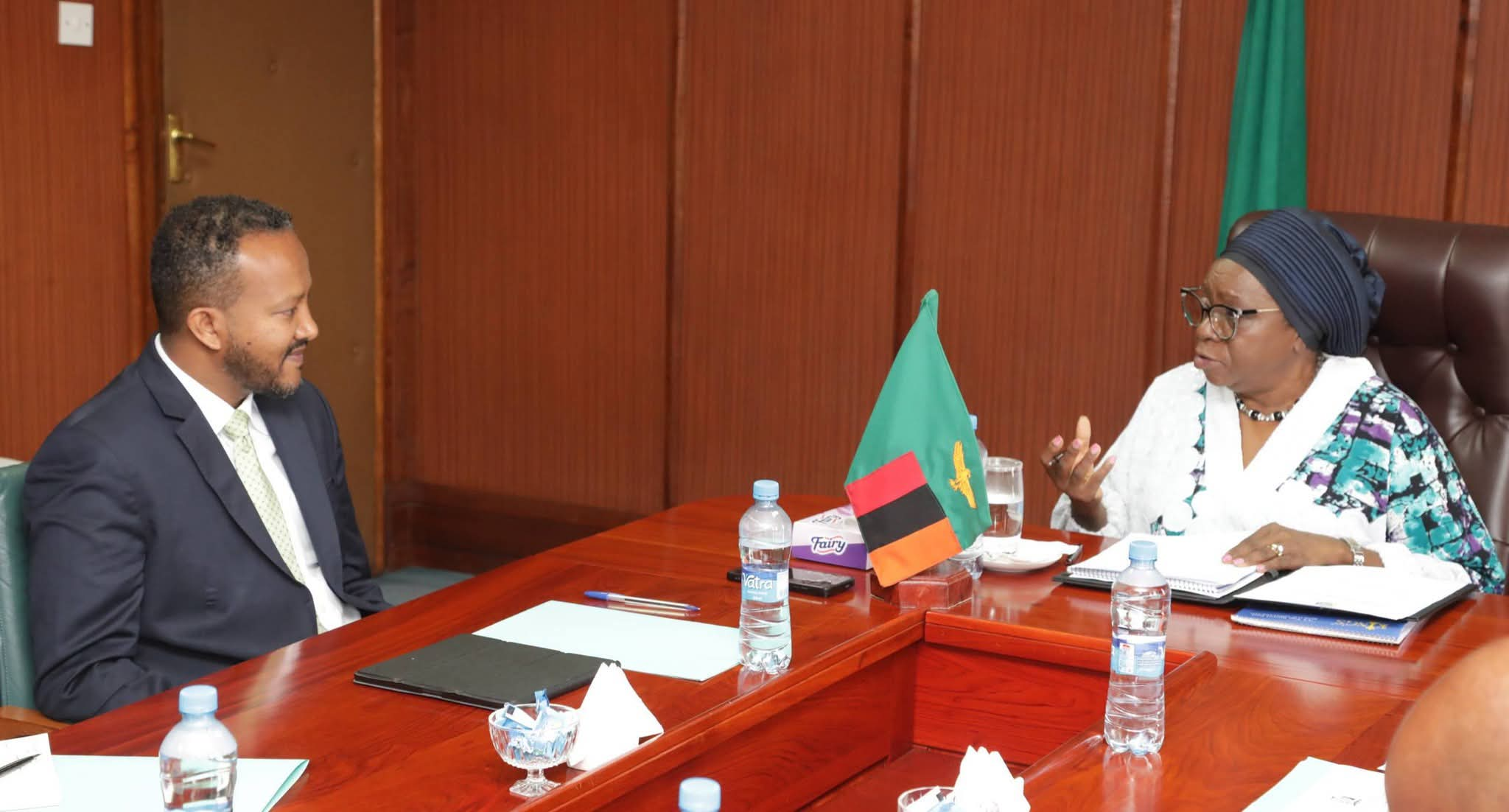
The offer was made in Lusaka at the extraordinary Zambia-EU Partnership Dialogue at Mulungushi International Conference Centre. Zambia requested the meeting to address challenges arising from the general elections and from a European Parliament resolution on the electoral process.
European External Action Service (EEAS) Director for Africa Ms Francesca Di Mauro said any such process would be Zambia’s to own, with the EU offering support only on terms set by the country’s own institutions.
“Should the Zambian authorities consider it useful, the EU would be ready to support a nationally led process for dialogue and reconciliation, in full respect of Zambia’s ownership, institutions and democratic processes,” Ms Di Mauro said.
The offer came with a clear statement of where Brussels stands. Ms Di Mauro said the EU remained concerned about issues raised at home and abroad over access to justice, transparency, civic space and respect for fundamental freedoms.
She said the bloc recognised that there were no perfect democracies, but stressed that disputes from the polls must be settled openly before impartial courts.
“We strongly believe that electoral grievances should be addressed with transparency through fair and impartial judicial process, in full respect of constitutional rights and responsibilities of citizens and institutions involved,” she said.
Justice Minister Mr Jack Mwiimbu and Home Affairs and Internal Security Minister Mr Clement Andeleki attended the meeting, which Ms Di Mauro described as an opportunity for an open exchange on electoral governance and the post-election situation.
The EU envoy also stood by the work of its Election Observation Mission (EOM). She said it had delivered an independent and impartial assessment of the electoral process, with recommendations aimed at correcting identified shortcomings before future elections.
“The EOM chief observer visited Zambia last week and presented the final report and the recommendations to the government and the electoral stakeholders,” Ms Di Mauro said.
She said the EU was ready to help Government and other electoral players implement the recommendations of its mission, as well as those of other observer missions, to strengthen democratic institutions.
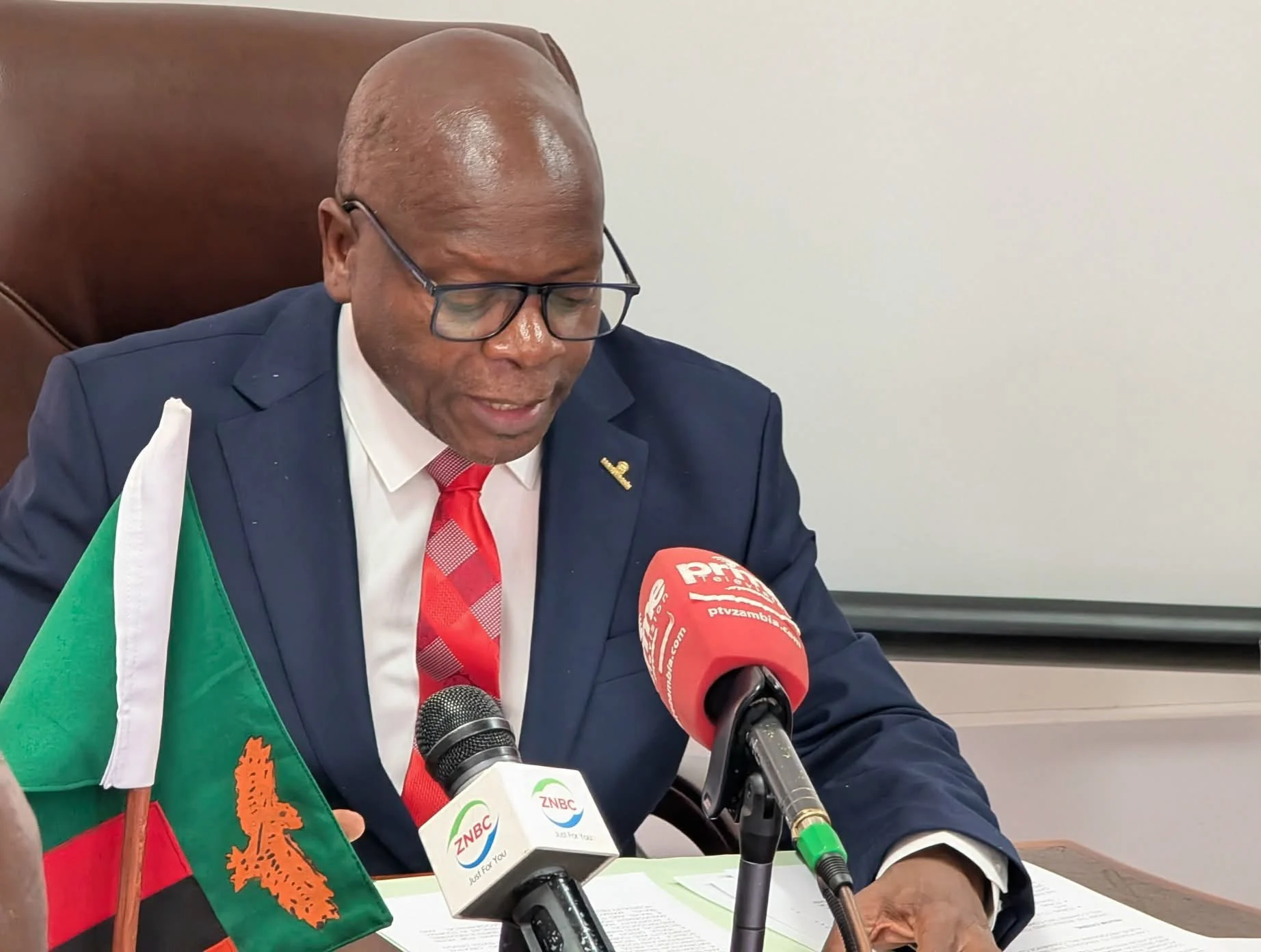
Responding for Government, Foreign Affairs and International Cooperation Minister Mr Mulambo Haimbe said Zambia valued the mission’s findings. He said Government would, however, have preferred a formal opportunity to review them before the report went public.
“We wish to underscore the importance of continued engagement between the mission and the government of the Republic of Zambia, including the opportunity for the government to formally consider and provide observations on the findings and recommendations of the Final Report prior to its public release,” Mr Haimbe said.
The minister said such an arrangement would have encouraged constructive engagement and ensured that Government’s perspectives and clarifications were considered in assessing the country’s electoral environment.
“We believe that such engagement would contribute to a balanced appreciation of the electoral environment,” he said.
Mr Haimbe said the findings were important in identifying areas that needed improvement, particularly electoral administration, institutional capacity, transparency and public confidence in the electoral process.
He said Government was ready to engage the EU in good faith on the recommendations. Any changes, he said, must be guided by the Constitution, national laws and the country’s international obligations.
“It is our expectation that this engagement will continue to be guided by mutual respect, transparency and a shared commitment to strengthening democratic governance and institutions in Zambia,” Mr Haimbe said.
Earlier, Ministry of Foreign Affairs Permanent Secretary for International Relations and Cooperation Ms Etambuyu Gundersen said the August elections had demonstrated the maturity of Zambia’s democracy and the resilience of its institutions.
Beyond the electoral questions, Mr Haimbe said Zambia regarded the EU as a strategic partner in advancing the Grow Zambia Agenda, with room for deeper collaboration in mining, agriculture, energy, tourism, manufacturing and infrastructure.
He said Government wanted to work with the bloc and its member states to mobilise investment, improve market access for Zambian products, facilitate technology transfer and develop sustainable value chains, in line with the EU’s Global Gateway Strategy.
Ms Di Mauro congratulated President Hakainde Hichilema on his re-election for a second term and welcomed the newly appointed and returning Cabinet and parliamentary members.
She said the EU remained a reliable, long-term partner whose relationship with Zambia, spanning more than 50 years, was anchored in democracy, the rule of law, transparency and respect for human rights. Team Europe invests more than €200 million in Zambia every year, and the EU has provided over €650 million in grants between 2021 and 2027.
The reconciliation offer now rests with Government. The EU has said it will back a dialogue process only if Zambian authorities consider it useful. Lusaka has committed to continued engagement on the mission’s recommendations, within the bounds of the Constitution and national law.
Community Feedback