
Equal chances breaths second chance for vulnerable children, mothers

Breaking News Zambia
NewsBy Elizabeth Chatuvela For seven-year-old Beatrice Numbi of Nyamfwa Primary School in Chienge District, malnutrition had become a barrier to both her health and education, threatening to derail her early childhood development. The condition had forced the pre-school pupil to stop attending classes as her deteriorating health affected her ability to participate in learning. However, […]
By Elizabeth Chatuvela
For seven-year-old Beatrice Numbi of Nyamfwa Primary School in Chienge District, malnutrition had become a barrier to both her health and education, threatening to derail her early childhood development.
The condition had forced the pre-school pupil to stop attending classes as her deteriorating health affected her ability to participate in learning.
However, her circumstances began to change after her school intervened by engaging nutritionists to educate her parents on appropriate feeding practices and the importance of providing nutritious meals to support her growth and development.
Following the intervention, Beatrice’s nutritional status improved, enabling her to return to school, where she is now attending classes regularly.
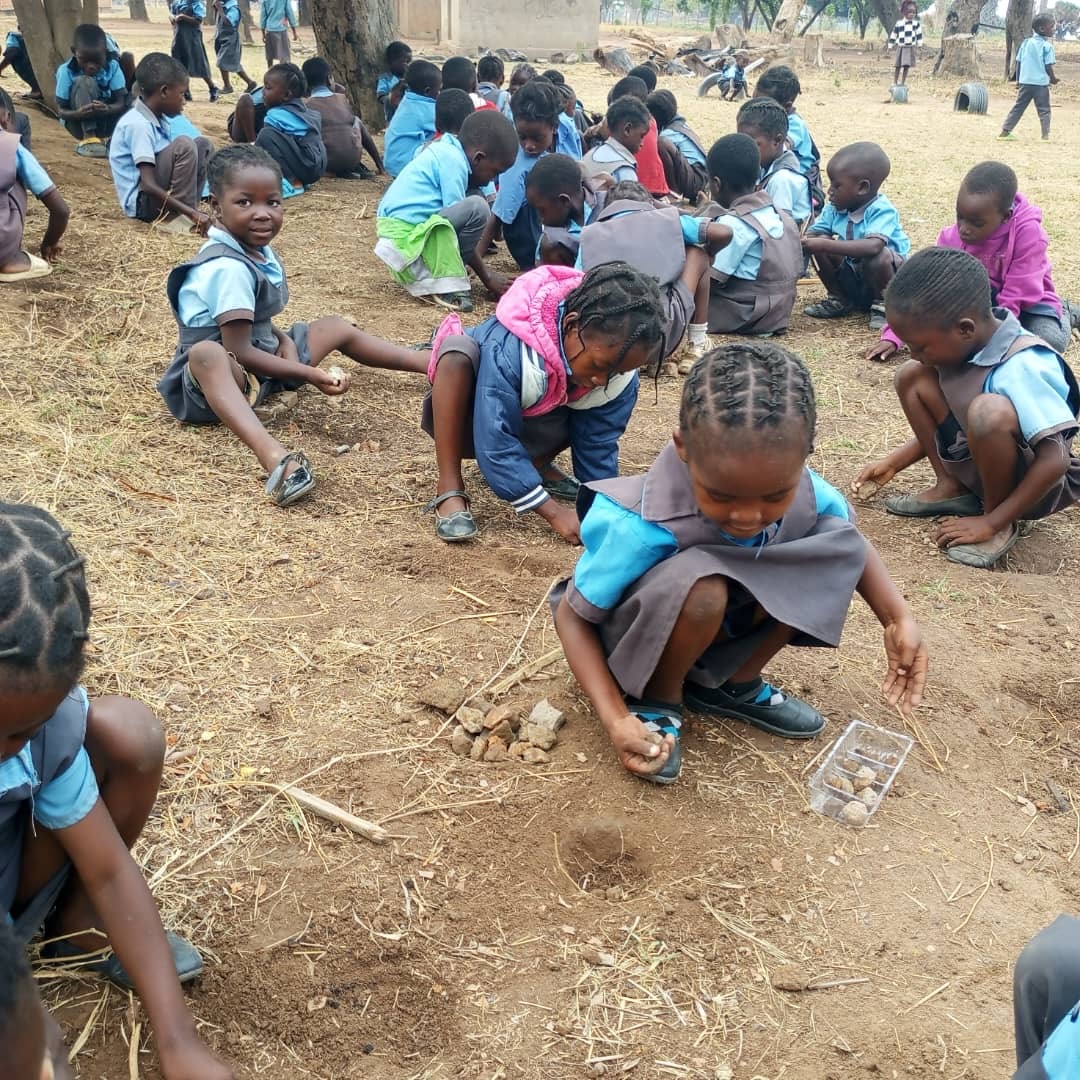
Her story is one of several examples of how the four-year Equal Chances for Human Development (EC4HD) Programme is improving the lives of vulnerable children, empowering adolescents and strengthening families and communities in Chienge district.
Supported by the European Union (EU) and implemented by the United Nations Children’s Fund (UNICEF) in partnership with the Government of the Republic of Zambia, the programme , which is also being implemented in Nchelenge, Mwansabombwe, Chifunabuli and Kawambwa districts in Luapula Province seeks to improve the quality, accessibility and delivery of essential services for women, children and adolescents.
Its interventions are anchored on strengthening early childhood development, improving maternal and child nutrition, increasing access to Early Childhood Education (ECE), promoting adolescent health and empowerment and enhancing child protection systems.
These objectives are being pursued through coordinated interventions involving schools, health facilities, government departments, parents and community structures, with particular attention to vulnerable children, adolescent girls and families facing social and economic challenges.
At Nyamfwa Primary School, the programme has gone beyond addressing nutritional challenges to strengthening community awareness of child protection, including Sexual Exploitation and Abuse (SEA), while establishing clear referral pathways for handling cases at school and community levels.
The school has established a functional school council and Parent Community Committee (PCC), which conducts meetings, follows up reported cases within communities and maintains records of its activities.
These structures are helping to promote accountability, encourage community participation and ensure that concerns affecting children’s welfare are identified and addressed through appropriate channels.
The programme is also addressing the economic vulnerability of adolescent mothers through skills development.
A skills training centre has been established at the school, where adolescent mothers are receiving training in financial literacy, cookery and tailoring to equip them with practical skills for economic independence and self-reliance.
Despite the progress, the school continues to face challenges, including fear of reporting abuse, stigma and discrimination against victims, cultural practices that undermine child protection and inadequate coordination between schools and community stakeholders.
To address these challenges, the school has identified sustained community sensitisation, stronger stakeholder collaboration, and the provision of counselling and psychosocial support to victims as critical interventions.
The impact of EC4HD is also evident at Mutampuka Primary School, where the programme is helping to transform family relationships and empower vulnerable girls to become advocates for positive social change.
One of the beneficiaries is Fridah Nonde, a third-born child in a family of six who is being raised by a single mother dependent on piecework to provide for her children.
Her mother’s limited financial resources made it difficult to meet the family’s educational needs, resulting in some of Fridah’s siblings dropping out of school.
Despite these challenges, Fridah remained determined to pursue her education.
Her involvement in the Champions of Change Group provided her with an opportunity to develop leadership skills and become a Trainer of Trainers (ToT). She is now leading a group of young girls, encouraging them to reject early marriage, remain in school and make informed decisions about their future.
Through such initiatives, EC4HD is not only supporting adolescent girls but also equipping them with the knowledge, confidence and leadership skills to influence positive change among their peers and within their communities.
The programme is equally addressing parenting practices and strengthening relationships between children and their caregivers.
Another beneficiary, Isaac Chishimba, has experienced a change in his approach to parenting following his involvement in the initiative.
Mr Chishimba previously subjected his granddaughter, Destiny Lubuto, to harsh discipline because he believed that strictness was the most effective way of raising a child. However, this approach created emotional distance between him and his granddaughter.
His attitude began to change after the head teacher invited him to join the Parent Community Committee, where he acquired parenting skills and learnt the importance of positive communication, understanding and nurturing relationships with children.
His experience demonstrates the programme’s recognition that improving children’s welfare requires not only interventions targeting children themselves but also equipping parents and caregivers with the knowledge and skills to provide supportive and protective family environments.
These individual experiences reflect the wide-ranging progress being recorded in Chienge through EC4HD interventions.
Apart from Nyamfwa and Mutampuka, the programme is being implemented in Kapampale and Chipungu primary schools, bringing the number of participating schools in the district to four.
The district’s January to September 2026 performance report indicates improvements in Early Childhood Education participation, with Mutampuka Primary School recording 87 percent of Grade One entrants having attended pre-school. Nyamfwa followed with 83 percent, while Kapampale and Chipungu recorded 43 percent and 37 percent, respectively.
The figures point to growing community acceptance of early learning and the importance of preparing children for formal education before entering Grade One.
The increased participation has partly been attributed to active Parent Community Committees and community involvement in mobilising parents to enrol their children in Early Childhood Education centres.
Progress has also been recorded in keeping adolescent girls in school and supporting those who wish to resume their education. In 2026, a total of 98 adolescent girls received support through school continuity and re-entry interventions, compared with 88 in 2025, while the proportion of supported girls increased from 50 to 75 percent.
These achievements impacting children, caregivers and adolescents have been noted and commended by UNICEF Luapula Programme Officer for Early Childhood Development, Olivian Namangolwa.
Speaking following a two-day multi-sectoral data review meeting held in the district, Ms Namangolwa was impressed to note that the district had made notable strides in reaching caregivers of children aged zero to eight years, particularly mothers and caregivers of children aged zero to two years, through nutrition interventions.
She also cited progress in adolescent health interventions, including iron supplementation and support for pregnant adolescents, as well as Early Childhood Education, which she described as one of the district’s outstanding areas of performance.
Ms. Namangolwa further commended Parent-Teacher Committees in Chipungu, Kapampale, Mutampuka and Nyamfwa for mobilising communities and supporting learners ahead of the construction of Early Childhood Education centres.
“It is a commendable job that Chienge is doing. The child’s brain does not wait for infrastructure to be constructed,” Ms Namangolwa said.
These remarks underscore the importance of early stimulation and learning, highlighting the need for communities to invest in children’s development even before the construction of dedicated ECE infrastructure.
Luapula Provincial Health Office Nutritionist, Fred Chalula also acknowledged the district’s efforts in implementing planned interventions, citing active participation by key line ministries, health facilities and schools.
The need for stronger collaboration was equally emphasised by District Victim Support Unit (VSU) Coordinator Levison Sakala, who called for concerted efforts among stakeholders to address child protection challenges, particularly sexual offences.
Mr Sakala observed that poverty levels in the district were making it difficult to secure justice for victims, as some perpetrators opted to compensate victims’ families instead of facing the law.
He expressed concern that some parents accepted gifts or financial inducements from perpetrators rather than reporting cases to relevant authorities, thereby undermining efforts to protect children and bring offenders to justice.
“This programme is for everyone, and we need to work together as Health, Education, Community Development and other stakeholders to win,” Mr Sakala said.
As part of its child protection interventions, the district has reached 3,571 people with information on Sexual Exploitation and Abuse and available reporting channels.
The use of local languages has been identified as an effective approach to community sensitisation, helping to make information more accessible and understandable to local communities.
In capacity building, 37 government personnel were trained in Early Childhood Development Education standards and supervision during the first three quarters of 2026.
Despite these achievements, stakeholders identified challenges affecting programme implementation, particularly delays and difficulties in submitting data from Early Childhood Education centres.
Improved internet connectivity was recommended to strengthen data reporting, monitoring and the timely assessment of programme performance.
During the two-day review meeting, stakeholders from the Ministries of Education, Health, Community Development and Social Services, and Home Affairs assessed implementation against set targets and identified areas requiring improvement.
The meeting also agreed on several measures aimed at addressing identified gaps and improving the delivery of services to women, children and adolescents.
To address discrepancies in Early Childhood Education enrolment figures, stakeholders resolved to collect additional data from schools and ECE centres to improve the accuracy and reliability of reporting.
In the health sector, stakeholders resolved to strengthen mental health and psychosocial support services through the training of health facility staff, teachers and Community-Based Distributors (CBDs).
The intervention will also include the printing and distribution of mental health screening tools to improve the identification, screening and treatment of depression among children and other vulnerable groups.
To improve programme monitoring and accountability, stakeholders agreed to strengthen gender-sensitive reporting by ensuring that data is disaggregated by sex, providing a clearer picture of how interventions are benefiting both boys and girls.
The meeting also called for increased efforts to facilitate the distribution of birth certificates through schools and health facilities to ensure that more children acquire legal identity documents. In addition, stakeholders resolved to strengthen coordination and referral systems across sectors to improve information sharing and responses to issues affecting women and children, including teenage pregnancies and gender-based violence.
The strengthened systems are expected to promote timely referrals, improve collaboration among service providers and ensure that vulnerable children and women are connected to appropriate support services.
The progress in Chienge demonstrates that improving the welfare and development of children requires more than providing isolated services. It calls for an integrated approach that addresses the nutritional, educational, health, economic and protection needs of children while strengthening the capacity of parents, caregivers and communities to support their development.
From helping a malnourished child return to the classroom to empowering adolescent girls to resist early marriages and equipping parents with positive parenting skills, the programme is demonstrating the value of investing in children at different stages of their development.
However, sustaining these gains will depend on addressing implementation challenges, strengthening coordination among government departments and community structures, improving data management and ensuring that interventions remain responsive to the needs of vulnerable families.
Ultimately, the success of EC4HD in Chienge will not only be measured by the number of children reached or services delivered, but by the lasting changes in children’s health, school participation, protection and opportunities in life.




Community Feedback