
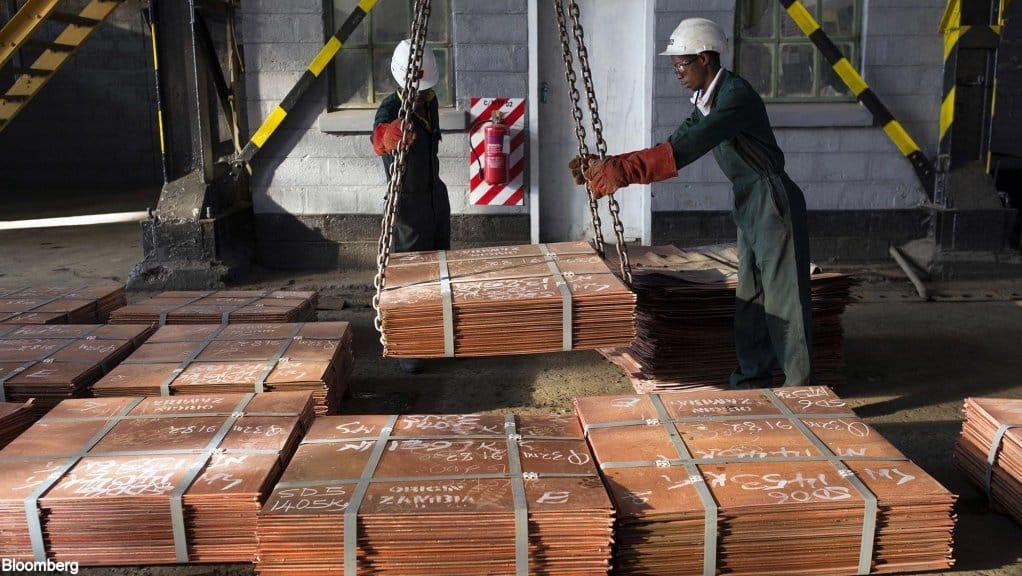
Achieving 1 million tonnes of copper production by end of 2026 is 50/50 – CBU Professor

Breaking News Zambia
NewsZambia’s ambition to produce 1 million metric […]
Zambia’s ambition to produce 1 million metric tonnes of copper annually has long been a benchmark for the nation’s mining sector. As 2026 progresses, industry analysts and experts are raising questions about whether the country will finally break through, or once again fall short of, the symbolic milestone.
A Slow Start in 2026 Official data reveals that Zambia’s copper production grew by just 1.9% in the first seven months of 2026, reaching 528,767 metric tonnes compared to 518,591 metric tonnes during the same period in 2025.
While the uptick signals resilience, others suggest that it falls short of the robust growth needed to confidently project an annual total of 1 million tonnes.
According to Professor Peter Chileshe, a mining expert and senior lecturer at Copperbelt University. After narrowly missing the target in 2025, the nation is eyeing a rebound, but several factors will determine the final outcome.
Official data shows that copper production increased by just 1.9% in the first seven months of 2026, reaching 528,767 metric tonnes compared to 518,591 metric tonnes over the same period in 2025. While this growth is modest, Professor Chileshe is optimistic that the remaining months could see a significant surge, citing that “two years are never the same” and that much can change in the final stretch of the year. A key variable is the weather.
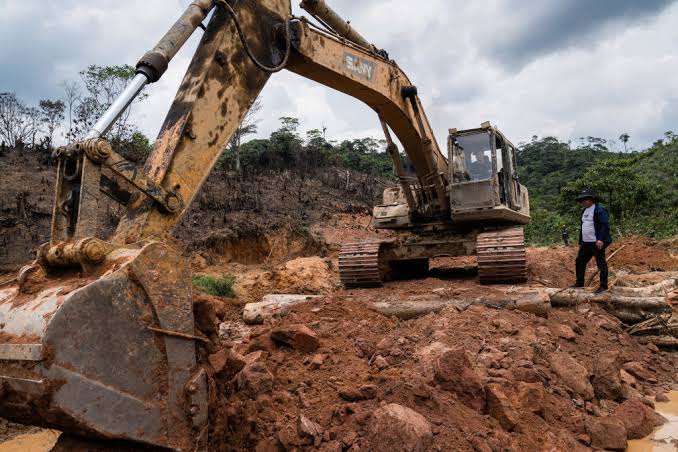
“Just like farming, open pit mining, which accounts for the majority of Zambia’s copper output, is heavily affected by weather conditions. Excessive rainfall can disrupt operations, but forecasts of an El Niño event suggest drier conditions this year. This could be a boon for mining, as ‘bad’ weather for agriculture can mean excellent conditions for open pit mining,” Professor Chileshe explained.
He adds that even without a severe drought, production between 950,000 and 1 million tonnes is possible. However, he cautions that the weather in the final quarter, October to December, will be critical:
“If the weather is favorable for mining, anything is possible. But adverse conditions that halt open pit operations could jeopardize the target.”
He said market incentives are also a factor. With copper prices occasionally spiking to nearly $15,000 per tonne, miners have every reason to maximize output this year, especially given uncertainties about future price trends.
He observed that most of Zambia’s copper now comes from open-pit mines such as Kansanshi, Barrick Lumwana, and Kalumbila, making weather trends even more influential in determining annual output.
“The surprise is that the target wasn’t achieved last year, but based on the latest figures, I believe it’s within reach for 2026. Watch the weather in the last quarter, if conditions remain favorable, Zambia could finally break the 1 million tonne barrier,” Professor Chileshe concluded.
Article by Tyndale Muchiya


Community Feedback